Winter Container Gardening: 20+ Cold-Hardy Plants That Thrive in Pots
Discover cold-hardy plants for winter container gardening! Learn which vegetables, flowers, and evergreens survive freezing temps in pots, plus essential care tips for gorgeous winter displays.
GARDENING
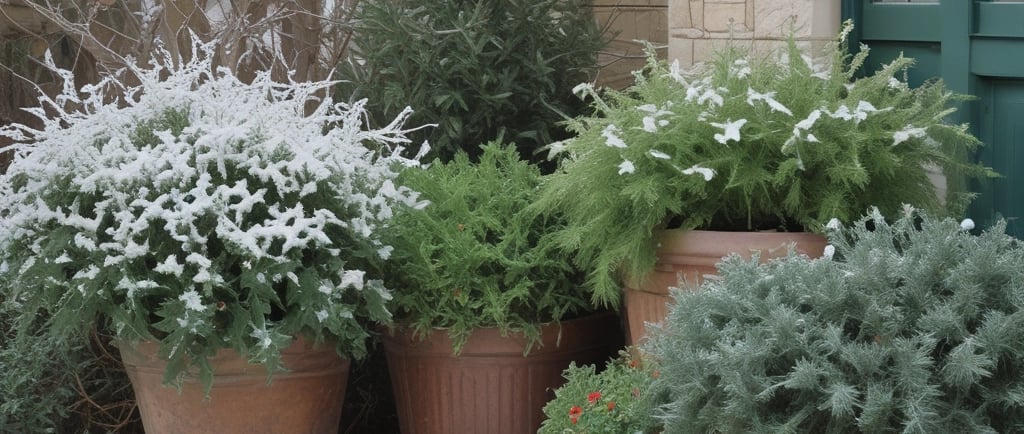
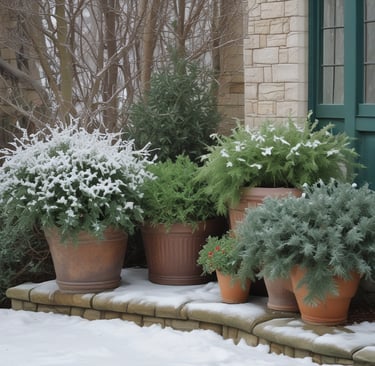
I'll never forget the first winter after I started container gardening. I'd spent all spring and summer building this gorgeous collection of potted plants, and come October, I just... let them all die. Pulled out the dead annuals, dumped the soil, and stacked my empty pots in the garage. My patio looked sad and barren for six months, and I remember thinking "well, I guess that's just how it is."
Then I visited my friend Karen in December and her front porch was absolutely stunning—full of lush green plants, colorful pansies somehow blooming despite the frost, and these gorgeous evergreens that made her entryway look like something from a magazine. I was shocked! I literally asked her "don't those die in winter?" She just laughed and explained that tons of plants not only survive winter in containers, they actually thrive and look their best during cold months.
That conversation completely changed my container gardening game. Here's something that blew my mind: there are literally hundreds of cold-hardy plants specifically adapted to survive freezing temperatures, and many of them look even better in winter than they do in summer. We're not just talking about barely surviving either—I'm talking about plants that bloom, provide fresh food, and create absolutely beautiful displays from November through March.
Over the past eight years, I've experimented with winter containers in my Zone 6 garden (gets down to about -5°F on the worst nights), and I've learned what actually works versus what just sounds good in theory. I've killed plenty of plants through trial and error, wasted money on things that weren't as hardy as advertised, and figured out the tricks that make the difference between sad brown containers and thriving winter gardens.
In this guide, I'm gonna share everything I've learned about cold-hardy plants for containers, how to protect them through brutal cold snaps, and the design strategies that make winter containers actually beautiful instead of just "survivable." Whether you're in Zone 4 or Zone 9, there are options for keeping your containers interesting and alive all winter long. Let's bring some life to those empty pots!
Why Winter Container Gardening Actually Works
Before we get into specific plants, let me explain why this isn't just wishful thinking—winter container gardening is totally legitimate and works surprisingly well once you understand the basics.
Cold-hardy plants adapted to survive freezing temperatures are the foundation of everything. These aren't tropical plants trying to tough it out—they're species that evolved in cold climates and actually need cold periods for their life cycles. Plants like kale, pansies, and certain evergreens have cellular adaptations that prevent ice crystals from destroying their tissue. Some produce natural antifreeze compounds. Others go dormant and basically hibernate through the worst cold. These plants aren't suffering in your winter containers—they're literally built for this.
Containers offer flexibility to move plants as needed, which is a huge advantage over in-ground gardens. When a brutal cold snap is forecasted, I can move my containers against the house wall or into my unheated garage for a few days. Can't do that with plants in the ground! This mobility means you can push the boundaries of what "should" survive in your zone. I've successfully overwintered plants rated for Zone 7 in my Zone 6 garden just by moving them strategically during the coldest nights.
Root protection is the key factor, not air temperature alone. This took me a while to understand. A plant's foliage might tolerate 10°F just fine, but if the roots freeze solid, the plant dies. The soil in containers provides insulation for roots. As long as roots don't freeze completely or experience rapid freeze-thaw cycles, most cold-hardy plants do fine. This is why container size and material matter so much—we're protecting roots, not just hoping the plant can handle cold air.
Microclimate benefits on patios and near buildings create warmer conditions than open garden spaces. My containers near my house wall stay probably 5-10 degrees warmer than containers in the middle of my yard because of radiant heat from the house and wind protection. South or west-facing walls are even warmer. These microclimates effectively make your containers act like they're in a warmer zone. I've had pansies blooming all winter in containers by my back door while the exact same plants in open yard spots stopped blooming during cold spells.
Winter interest adds color to dreary months when everything else is brown and dead. This is honestly my main motivation now. January through March are depressing months here—gray skies, dead grass, bare trees. Having containers full of green evergreens, bright pansies, and colorful ornamental kale makes such a difference psychologically. Every time I come home and see my winter containers looking alive and pretty, it lifts my mood. It's like a little rebellion against winter dreariness.
Fresh herbs and greens available through cold months is incredibly practical. I keep a container of hardy herbs (thyme, sage, rosemary) right by my kitchen door all winter. Need fresh herbs for cooking? Step outside and snip some. I also grow kale and lettuces in containers through winter—they're sweeter after frost exposure and I get fresh salads from my patio in January. The convenience and cost savings of having fresh herbs and greens right outside instead of buying sad expensive grocery store versions totally justifies the effort.
Lower pest pressure in winter gardening is a real bonus. No aphids, no Japanese beetles, no cucumber beetles eating everything. Most pests are dead or dormant. The few problems that exist (like occasional aphids in mild weather) are way more manageable than summer pest explosions. I've had winter containers go entirely pest-free for months. Makes gardening so much more relaxing when you're not constantly battling insects.
Starting plants now means spring head start for vegetables and perennials. I plant cold-hardy vegetables in fall containers and they slowly grow through winter, then explode with growth in early spring when in-ground gardens are still too cold and wet to work. My containerized lettuce is ready to harvest in March while my neighbor's in-ground lettuce hasn't even been planted yet. Perennials in winter containers get established root systems and leaf out faster in spring. It's like a three-month head start on the growing season.
Understanding Hardiness Zones and Container Challenges
This is critical to understand because containers behave differently than in-ground gardens, and if you don't account for this, you'll be frustrated when "hardy" plants die.
How USDA hardiness zones apply to container plants is more complicated than just looking at your zone number. I'm in Zone 6a (coldest temps around -5 to -10°F), but I can't just plant any Zone 6 plant in a container and expect success. The zone ratings assume plants are in the ground with their roots protected by earth. Containers don't provide the same protection, so you need to adjust expectations.
Why containers are typically 1-2 zones colder than ground is physics. In-ground plant roots are insulated by the earth's thermal mass—the ground doesn't freeze as deeply or as quickly as the air temperature would suggest. Container roots are exposed to air temperatures from all sides with only the pot material and soil providing insulation. When it's 15°F outside, the soil temperature in the ground might be 30-35°F a foot down. The soil in a container might be 20°F. That difference kills plants rated for your zone.
Root exposure to freezing from all sides in pots is the fundamental problem. I learned this painfully when I tried to overwinter a supposedly Zone 5-hardy lavender in a pot. Lavender roots can handle cold when insulated by ground, but in my container, they froze from all directions and the plant died. Now I assume any plant I'm putting in a winter container needs to be hardy to at least 1-2 zones colder than my actual zone. So in my Zone 6 garden, I look for Zone 4-5 plants for containers.
Freeze-thaw cycles and their impact on roots cause more damage than sustained cold. We get these warm spells (50°F) followed by hard freezes (10°F) and the rapid temperature swings are brutal on container plants. The soil expands when freezing, contracts when thawing, and this heaving motion can literally push plants out of the soil or damage roots. I've had plants lifted an inch out of their containers from freeze-thaw heaving. Stabilizing this with mulch and choosing larger containers helps, but it's still a challenge.
Container material affects winter survival significantly. I'll get into this more later, but basically: cheap plastic cracks, terracotta explodes, ceramic shatters. Resin, fiberglass, and wood handle freeze-thaw cycles much better. I lost probably $200 worth of terracotta pots my first winter because I didn't know they'd crack when soil inside froze and expanded. Expensive lesson! Now I only use freeze-proof materials for winter containers.
Size matters—larger pots provide better insulation for roots. Small pots freeze solid quickly. Large pots have more soil mass that stays warmer longer. I use nothing smaller than 12 inches for winter containers, and prefer 14-18 inch pots. My biggest winter pots are 20+ inches and those provide the best root protection. The plants in large pots sail through cold snaps that damage plants in smaller pots nearby. If you're serious about winter containers, invest in good-sized pots.
Matching plants to your actual winter conditions requires honest assessment. Don't just look at average temperatures—what are your coldest nights? How long do cold snaps last? How much wind exposure do your containers get? I track actual temperatures in my yard with a min/max thermometer, and it's often colder than the "official" temperature for my area. My backyard microclimates range from Zone 5 (exposed corner) to Zone 7 (south wall). Position tender plants in the warmest spots.
Microclimates on your property matter more than you think and can extend your possibilities significantly. My front porch (north exposure, shaded, wind-protected) is terrible for winter containers—stays too cold and plants struggle. My back patio (south exposure, sunny, house wall protection) is amazing—probably a full zone warmer. I can grow things there I couldn't grow elsewhere. Walk around your property and identify the warmest, most protected spots—those are where you want your winter containers.
Best Evergreen Plants for Winter Containers
Evergreens are the backbone of winter containers—they provide structure, greenery, and year-round interest. Here are my proven winners.
Boxwood is the classic structure plant that looks good in any season. I've had the same boxwood plants in containers for five years now and they're still going strong. They tolerate being potbound, handle cold beautifully (hardy to Zone 5 for most varieties), and provide that formal evergreen structure that anchors winter displays. I use them as the "thriller" centerpiece in larger containers. The only maintenance is occasional watering and maybe light shaping in spring. Totally reliable and they look expensive even though mine cost like $15 each.
Dwarf conifers in various forms add texture and sometimes color. I love dwarf Alberta spruce for its perfect pyramid shape—looks like a mini Christmas tree. Dwarf blue spruce adds that silvery-blue color that contrasts beautifully with other winter plants. Juniper comes in spreading or upright forms and some varieties have golden or blue foliage. These are all reliably hardy (Zone 3-4 generally) and essentially zero maintenance. I pair them with flowering plants for color or use them alone in minimalist modern containers.
Holly varieties provide glossy foliage and bright red berries through winter. I grow dwarf Blue Princess holly in containers—it has those classic spiky leaves and loads of red berries from fall through late winter. The berries attract birds which adds movement and life to winter gardens. Holly is hardy to Zone 5 for most varieties. The only caveat is you need male and female plants for berries, so buy plants that are labeled as berry-producing. The glossy evergreen leaves look great even without berries though.
Pieris japonica (Japanese andromeda) is an underappreciated winter container plant. It's evergreen with interesting new growth that emerges red or pink, and it produces dangling clusters of white or pink flowers in early spring (like March-April here). Hardy to Zone 5. I keep one in a large container by my front door and it looks good literally every day of the year. The only issue is it prefers acidic soil, so I mix in some peat moss when planting. Worth the minor extra effort.
Dwarf Alberta spruce specifically deserves mention as my favorite formal evergreen. Perfect cone shape, dense foliage, stays compact (grows very slowly to maybe 10-12 feet over decades, but you can keep it smaller in a container). Hardy to Zone 2! I mean, if it survives in Zone 2, it'll handle anything I throw at it in Zone 6. I have one that's been in the same pot for six years and it looks pristine. No pruning needed, no pest problems, just a perfect little evergreen tree.
False cypress comes in amazing colors and textures that add variety. I grow golden thread-leaf false cypress—it has this bright golden-yellow foliage that literally glows in winter sun. So cheerful during gray winter months. There are also varieties with silver-blue foliage, dark green, bronze-tinted. The thread-like foliage texture contrasts beautifully with broader-leaved plants. Hardy to Zone 4-5 generally. They do need reasonable moisture—I learned they suffer if pots completely dry out in winter wind.
Wintergreen (Gaultheria procumbens) is perfect for the edges of larger containers as a ground cover. It's a low-growing evergreen (4-6 inches tall) with glossy leaves that turn burgundy in cold weather, and it produces red berries that persist through winter. The leaves smell like wintergreen when crushed—it's literally where wintergreen flavoring comes from! Hardy to Zone 3. I use it as the "spiller" in mixed containers and it looks great cascading over pot edges.
Mixing evergreens for texture and color contrast creates more interesting containers than single plants. I combine a dwarf Alberta spruce (upright, dark green) with golden false cypress (mounding, bright yellow-green) and some wintergreen trailing over the edge. The different textures and colors make the container way more dynamic than just one evergreen alone. Play with contrasts—upright vs. spreading, dark vs. bright, fine texture vs. coarse. Winter containers are already limited in color, so texture and form become extra important.
Cold-Hardy Winter Flowers and Color
Yes, you can have actual flowers blooming in winter containers! These plants either bloom during cold weather or provide colorful foliage that looks like flowers.
Pansies and violas are the undisputed champions of winter container flowers. I plant these every fall and they bloom literally all winter here in Zone 6 (hardy to 10-15°F, tolerates lower if protected). On mild days (above 45°F), they bloom profusely. During cold spells, they might pause but they don't die—they just wait for warmer weather and then bloom again. I've had pansies covered in snow, frozen solid, and then bounce back and bloom when it warmed up. Absolutely indestructible. Colors stay vibrant all winter too. I buy clearance pansies in late fall and get them for like $1-2 per six-pack. Total bargain.
Ornamental kale and cabbage provide incredible texture and color that actually improves with cold. These aren't for eating—they're decorative varieties with frilly leaves in combinations of purple, pink, white, and green. The colors get more intense after frost exposure. I use them as centerpiece plants in containers and they look amazing from October through March. Hardy to Zone 7, tolerate colder with protection. They eventually bolt and flower in spring, at which point I remove them. But from fall through winter they're gorgeous and require almost zero care.
Cyclamen provides delicate butterfly-like flowers in shades of pink, red, white, or purple. I keep cyclamen in containers on my covered porch where they're protected from the worst weather. They bloom fall through spring and are hardy to about 20°F, which works in my Zone 6 garden with some protection. The silver-patterned leaves are pretty even when not blooming. They prefer cool temps and actually struggle in summer heat, so they're perfect for fall/winter/spring containers. The flowers are so delicate and pretty—they feel special during bleak winter months.
Heather and winter heath are low-growing evergreen shrubs that bloom in winter. Winter heath (Erica carnea) blooms January through March here with tiny bell-shaped flowers in pink, purple, or white. Heather (Calluna) blooms in fall and has attractive foliage through winter. Both are hardy to Zone 5-6. I use them in mixed containers for texture and their early blooms. They need acidic soil like azaleas, so I mix in peat when planting. Once established they're very low-maintenance and provide reliable winter interest.
Primrose gives early spring color that bridges late winter. I plant them in containers in late winter (February-March here) and they start blooming immediately. Hardy to Zone 4. They come in every color imaginable—bright yellows, pinks, purples, reds. I buy them as soon as they show up at garden centers because they're inexpensive and instantly add color to containers that have been green all winter. They bridge the gap between late winter and early spring perfectly.
Dusty miller provides silvery-gray foliage that looks stunning against darker evergreens and bright pansies. It's technically an annual but often overwinters in containers in Zone 6 and warmer. The soft fuzzy leaves have an almost metallic silver sheen. I use it as a filler plant in mixed containers—it doesn't provide flowers but the foliage color is so distinctive that it reads as "color" in winter displays. Low maintenance, drought tolerant once established, and deer resistant. Great supporting plant.
Snapdragons can overwinter in mild winter areas (Zone 7+) and even in Zone 6 with protection. I plant them in fall and they bloom during warm spells through winter and then heavily in spring. They need more protection than pansies—I keep them in containers against the house or bring them to the unheated garage during hard freezes. If you can keep them alive through winter, they reward you with early spring blooms before anything else is flowering. Colors are bold and cheerful.
Hellebores are shade-tolerant winter bloomers that I grow in containers on my shaded north porch. Also called Christmas rose or Lenten rose depending on bloom time. They flower from late winter through early spring (February-April here) with gorgeous nodding flowers in white, pink, purple, or green. Hardy to Zone 4. The leathery evergreen foliage looks good year-round. They're pricier than pansies but they're perennial so they come back year after year. I've had the same hellebores in containers for four years now. Worth the investment for reliable shade-tolerant winter bloom.
Edible Winter Container Gardens
Growing actual food in winter containers is incredibly satisfying and practical. These edibles survive and even thrive in cold weather.
Lettuce and salad greens that tolerate frost are perfect for winter containers. I grow buttercrunch, winter density, and various loose-leaf varieties in containers and harvest through winter. They handle frost fine—actually get sweeter after cold exposure. I pick outer leaves as needed and the plants keep producing. Some varieties are hardy to 15-20°F. In really cold snaps, I throw a frost blanket over the container and they're fine. Fresh salad from your patio in January feels like magic. I start seeds in late summer or buy transplants in fall.
Spinach and Swiss chard are even hardier than lettuce. Spinach is rated hardy to 10-15°F. Swiss chard has been bulletproof for me—it survives temperatures down to about 15°F with no protection, lower with cover. The colorful stems of chard (rainbow chard is gorgeous) add visual interest even beyond the edibility. I harvest outer leaves continuously through fall and winter. Growth slows during the coldest months but never completely stops. Then in spring it takes off growing again before eventually bolting.
Kale varieties are the ultimate cold-hardy winter vegetable. Russian kale, Winterbor, and Lacinato (dinosaur) kale all thrive in winter containers. Hardy to 10°F or lower. Frost actually improves flavor—makes it sweeter. I plant kale in late summer and harvest from October through April. It handles snow, ice, whatever winter throws at it. The curly varieties are also quite pretty so they work in ornamental displays. I use both edible kale and ornamental kale in my winter containers depending on whether I prioritize eating it or looking at it.
Mâche (corn salad) and winter purslane are specialized cold-season greens I discovered a few years ago. Mâche is incredibly cold-hardy (to 5°F!) and has a mild, slightly nutty flavor. It's expensive to buy but easy to grow from seed. Winter purslane is similarly hardy and produces succulent leaves with a mild lemony flavor. Both are European winter staples. I direct-seed them in containers in September and harvest through winter. They're slow-growing but very reliable and don't mind cold at all.
Cold-hardy herbs like thyme, sage, and rosemary stay usable through winter. My thyme is pretty much indestructible—hardy to Zone 5 in containers, maybe colder. I have a pot of mixed thyme (lemon thyme, common thyme, creeping thyme) right by my kitchen door that I harvest from year-round. Sage is hardy to Zone 5 also. Rosemary is more borderline (Zone 7-8) but in a large pot in a protected spot, it survives most winters here in Zone 6. Fresh rosemary, sage, and thyme for cooking all winter is amazing.
Garlic and shallots planted in fall for spring harvest work great in deep containers. I plant cloves in October in containers at least 12 inches deep with good drainage. They grow through fall, go dormant in winter, resume growth in early spring, and are ready to harvest in June. The green shoots in spring are pretty and the bulbs are essentially no-maintenance over winter. Just need occasional watering if it's dry. I've gotten good-sized garlic bulbs from containers—not as big as in-ground, but totally respectable and convenient.
Overwintering onions and leeks in containers is similar to garlic. I plant onion sets or leek transplants in fall, they slowly grow through winter, and are ready to harvest in spring. Onions form small bulbs, and leeks develop nice thick stems. Both are hardy through winter and require minimal care. I harvest leeks as needed through winter—they're fine in the ground (or pot) through freezing weather. Fresh leeks in winter are a treat and they're expensive at stores.
Arugula and mizuna are peppery greens that absolutely thrive in cold weather. They're both incredibly fast-growing and cold-tolerant (hardy to 15-20°F). I succession plant these in containers every few weeks in fall for continuous harvest. They bolt quickly in warm weather but in cool/cold weather they grow steadily without bolting. The spicy flavor is great in salads and as a garnish. Mizuna has pretty serrated leaves that look attractive even as ornamentals. Both are very easy from seed.
Designing Beautiful Winter Container Displays
Winter containers should be beautiful, not just functional. Here's how to create displays that actually look good.
The thriller-filler-spiller formula adapted for winter still works but with cold-hardy plants. Thriller: a tall evergreen like dwarf Alberta spruce or upright boxwood for height and structure. Filler: pansies, ornamental kale, dusty miller, or heather to fill in around the center. Spiller: wintergreen, trailing ivy, or creeping juniper to cascade over the edges. This formula creates balanced, attractive containers regardless of season. I use it for probably 80% of my winter containers because it just works.
Using height and structure with evergreens creates visual interest in winter when plants are generally dormant. Without flowers and active growth, form and structure become more important. I use upright evergreens as focal points, add mid-height textural plants around them, and trailing plants at edges. The variation in heights makes containers look intentional and interesting rather than flat. Even simple combinations look great with good height variation.
Incorporating natural elements like branches, birch logs, and pinecones adds organic texture. I cut dogwood branches with their bright red stems and stick them in the soil of my winter containers—they add vertical interest and their color pops against snow. Birch logs positioned vertically or horizontally add structure. Pinecones tucked among plants look natural and seasonal. These foraged elements cost nothing and add so much character. I refresh them throughout winter as they deteriorate or I get bored with them.
Color schemes that work in winter light are different than summer. In bright summer sun, any color works. In low winter light, I've found that bright jewel tones (deep purple, burgundy, bright pink) and pastels (light pink, lavender, white) show up best. Super dark colors (dark purple, deep burgundy) can look almost black in low light. Bright yellows and whites really stand out. I plan my color schemes specifically for how they'll look in winter's soft light. Silver foliage is also great because it reflects light and brightens containers.
Layering textures for visual interest compensates for limited color options. Fine texture (like thread-leaf false cypress), medium texture (pansies), and coarse texture (ornamental kale) combined in one container create way more interest than all medium-textured plants. Glossy leaves (holly) versus matte leaves (dusty miller) provide contrast. Spiky forms (small conifers) versus rounded forms (boxwood) create variation. I'm way more conscious of texture in winter containers than summer ones because texture carries more visual weight when color is limited.
Adding decorative elements like lights, ribbons, and ornaments makes containers festive without being tacky if done carefully. I wrap battery-operated string lights around upright evergreens in containers—looks magical at night. Simple ribbon bows in weather-proof material tied around pot rims add polish. A few strategically placed ornaments tucked into greenery look festive without being excessive. The key is restraint—one or two decorative elements, not ten. Let the plants be the star with just a touch of decoration.
Creating themed containers helps with design cohesion. I do "woodland" containers with evergreens, ferns, and birch branches—natural and organic. "Formal" containers with boxwood, white pansies, and symmetrical planting—elegant and structured. "Cottage" containers with mixed pansies, violas, and trailing ivy—charming and informal. Having a theme helps me choose plants and elements that work together rather than just grabbing whatever's available. The finished product looks more intentional.
Grouping containers for maximum impact creates focal points that draw the eye. Three containers of varying heights arranged together look way more dramatic than three containers scattered around. I group containers near my front door, on my patio, flanking steps. Odd numbers (3 or 5) look more natural than even numbers. Varying the sizes and heights creates rhythm. A grouping of containers becomes a garden vignette that has presence and impact. One lone container can look lonely; a grouping looks designed.
Container Selection for Winter Success
The containers themselves matter hugely for winter survival. Wrong choice equals cracked pots and dead plants.
Materials that survive freeze-thaw cycles include resin, fiberglass, wood, and thick plastic. Resin containers (my favorite) look like ceramic or stone but are lightweight and freeze-proof. They're not cheap—$40-150 depending on size—but they last indefinitely through winter conditions. Fiberglass is similar—durable, freeze-proof, lightweight. Wood containers like half barrels are naturally insulated and handle freeze-thaw fine, though they eventually rot after several years. Thick plastic pots work if they're decent quality—cheap thin plastic cracks but sturdy plastic holds up.
Why terracotta and ceramic often crack in winter is physics. Water in the soil freezes and expands. This expansion creates pressure on the container walls. Terracotta is porous and absorbs moisture, which then freezes inside the pot walls and cracks them. Ceramic is less porous but still brittle and can crack from expansion pressure. I lost probably ten terracotta and ceramic pots my first winter container gardening before I understood this. Now I only use terracotta for summer and bring them inside for winter. Not worth the heartbreak.
Drainage is even more critical in cold weather because waterlogged soil freezes more solid and kills roots. I make sure every winter container has drainage holes—multiple large holes, not just one small one. I put a layer of pot shards or mesh over holes to prevent soil loss. I use pot feet or risers to elevate containers so water drains freely and air circulates underneath. Standing water in saucers freezes and contributes to root damage. Good drainage is literally the difference between plants surviving or dying in winter containers.
Size recommendations for different plants—go bigger than you think you need. Small plants in small pots freeze solid and die. A 10-inch pot is my absolute minimum for winter, and I prefer 14-18 inches for most things. Larger evergreens need 16-20 inch pots minimum. The extra soil mass insulates roots better and retains moisture so you don't have to water as often. Yes, large pots are more expensive and heavier, but they're so much more successful for winter that it's worth it. Small pots are for summer only in my garden now.
Using pot feet or risers for drainage protects pots and improves drainage. Pot feet are those little decorative feet (often look like lions' paws or simple spacers) that lift pots an inch off the ground. Cost like $5-15 per set. They allow water to drain freely, prevent pot bottoms from freezing to surfaces, and improve air circulation around roots. I use them on all my large winter containers. You can also use bricks, upside-down smaller pots, or purpose-made risers. Don't skip this step—it really helps.
Double-potting for extra insulation is a technique I use for marginally hardy plants. Put a smaller pot inside a larger pot and fill the gap between them with insulating material (shredded leaves, straw, bubble wrap). This creates an insulated layer protecting roots from temperature extremes. It works! I've overwintered borderline plants using this method that definitely would've died in a single pot. The downside is it's heavy and you need two pots per plant. But for special plants worth protecting, it's effective.
Choosing colors that show well against winter landscapes makes containers visible and attractive. Light colors (white, cream, tan, light gray) show up beautifully against snow and dark winter landscapes. Dark colors (dark brown, black) can disappear against bare earth and trees. I prefer light-colored pots for winter because they're visible even from a distance and reflect what little light there is. Bright colors (red, blue) make bold statements. I save dark pots for summer when they'll be surrounded by green foliage.
Where to position containers for best survival is crucial. I put my most tender containers against south or west house walls where radiant heat helps. I position containers under roof overhangs or on covered porches for protection from ice and excessive moisture. I avoid exposed windy spots—wind is the enemy of winter containers because it dries out soil and damages foliage. I group containers together so they protect each other somewhat. Think strategically about microclimates and use them to your advantage.
Soil and Planting Techniques for Cold Weather
Getting the soil and planting right makes the difference between plants that thrive and plants that struggle or die.
Why regular potting soil isn't enough in winter—it stays too wet and compacts over winter, leading to root rot or frozen solid soil. I use a modified mix for winter containers with extra drainage material. My mix: 60% quality potting soil, 30% perlite or pumice for drainage, 10% compost for nutrients. This drains faster than straight potting soil but still retains some moisture. The extra perlite creates air pockets that actually help insulate roots while preventing waterlogging. Worth mixing yourself rather than using straight bagged potting soil.
Adding amendments for better drainage includes perlite, pumice, coarse sand, or fine bark chips. These materials keep soil from compacting and allow water to drain quickly. Compacted waterlogged soil in winter is death for plant roots. I'm generous with perlite—more than I'd use in summer containers. The white perlite bits are visible on the soil surface but I don't care because the improved drainage is worth it. You can also use large-particle bark chips mixed in for drainage.
Importance of air pockets for insulation is something I learned from a master gardener. Air is actually a great insulator. Soil with good structure that contains air spaces insulates roots better than compacted dense soil. This is counterintuitive—you'd think dense soil would insulate better, but it doesn't. Fluffy well-aerated soil with perlite or bark mixed in actually provides better root protection than heavy dense soil. Don't pack soil down hard when planting winter containers—keep it loose.
Planting depth and spacing considerations: plant at the same depth as the nursery pot (don't bury stems deeper), but pack soil firmly around roots to prevent frost heaving. I firm soil around the root ball with my hands—not compacted, just firm contact between roots and soil. Spacing can be tighter than summer containers because winter plants grow slowly or not at all. I plant close together for immediate full look. They're not going to outgrow their space over winter like summer annuals would.
Firming soil to prevent frost heaving means making sure plants are solidly planted. Frost heaving happens when soil freezes and expands, pushing plants up out of containers. I've had pansies literally lifted an inch above the soil surface from heaving. Now I plant firmly and top-dress with mulch to minimize heaving. If plants do heave up, I gently push them back down and add more mulch. It's an ongoing battle in areas with frequent freeze-thaw cycles.
Top-dressing options for moisture retention include shredded bark, pine needles, or even moss. I add a 1-2 inch layer of mulch on the soil surface after planting. This conserves moisture, insulates roots, prevents frost heaving, and looks tidy. I prefer shredded bark because it looks natural and breaks down slowly. Some people use decorative moss which looks great but is pricey. Avoid stone mulch in winter containers—it holds cold and offers no insulation benefit.
When to plant fall containers for winter display depends on your climate, but generally 6-8 weeks before your first hard freeze. I plant in late September or early October. This gives plants time to establish roots before winter hits. Planting too late means plants don't root in before freezing and they struggle. Planting too early means you're dealing with summer annuals dying while trying to establish winter plants. Timing takes some trial and error based on your specific fall weather patterns.
Avoiding overwatering in cold conditions is critical because roots need oxygen and cold wet soil promotes rot. Water thoroughly at planting, then back off. I check soil moisture before watering—stick my finger 2 inches deep, and only water if dry. In winter, containers might need water only once every 1-2 weeks or even less. Don't water if soil is frozen solid—wait for a thaw. Overwatering kills more winter container plants than cold does. When in doubt, underwater rather than overwater.
Protecting Container Plants Through Winter
Even cold-hardy plants benefit from some protection during extreme weather. Here's what actually works.
Moving containers to sheltered locations during the worst cold is the easiest protection method. I move tender containers against the house wall, under roof overhangs, or into the unheated garage for a few days during single-digit temperature events. Once temps moderate, I move them back out. This simple strategy has saved marginally hardy plants multiple times. Can't do this with huge heavy containers, but medium pots are manageable. Get a dolly or hand truck for moving large containers.
Using bubble wrap or burlap for insulation protects both pots and roots. I wrap bubble wrap around pots (not plants) and secure with twine or tape. This insulates roots from the worst cold. Burlap works similarly but looks more natural—I wrap it around containers like a skirt. Some people wrap entire plants in burlap for wind and sun protection, though I find this makes them look like wrapped furniture. I just insulate the pots and let the plants handle the cold themselves. The insulation definitely helps during extreme cold snaps.
Mulching the soil surface to protect roots is something I do for all my winter containers. Two inches of shredded bark, pine needles, or straw on top of soil insulates roots, prevents heaving, and conserves moisture. I've noticed measurably better plant survival in mulched containers versus bare soil. The mulch layer acts like a blanket for roots. Replenish mulch if it breaks down or blows away during winter. I add more in late fall and again mid-winter if needed.
Watering requirements in winter—yes, they still need water!—but way less than summer. I water whenever soil is dry and temperatures are above freezing. Container plants can dry out even in winter, especially in sunny windy locations or under roof overhangs that block rain/snow. I check monthly at minimum and water if needed. I water in mid-morning on days above 40°F so water has time to soak in before potential overnight freezing. Never water if hard freeze is forecasted that night.
Wind protection strategies make a huge difference for container plants. Wind desiccates evergreens (winter burn) and damages tender growth. I position containers on the leeward side of buildings or fences where wind is reduced. I create temporary windbreaks with burlap screens or snow fencing. Grouping containers together provides mutual wind protection. Wind is honestly more damaging to winter containers than cold—it's worth significant effort to protect from wind.
Snow as natural insulation is actually beneficial for winter containers. Don't brush snow off plants (except for branches that might break from weight). Snow insulates like a blanket and moderates temperature swings. My containers covered by snow through a cold snap often fare better than exposed containers. The snow prevents temperature fluctuations and protects from harsh wind and sun. Obviously, remove excessive snow that's breaking branches, but a normal snow covering is helpful rather than harmful.
When to bring containers into unheated garages depends on your threshold and the specific plants. I bring in anything that's borderline hardy (like rosemary or cyclamen) when temperatures will drop into the single digits. An unheated garage stays above freezing even when it's 5°F outside. Plants go dormant in the dark garage but survive the extreme cold. I bring them back out when weather moderates. This is extra work but allows me to push zone boundaries and grow plants I otherwise couldn't.
Monitoring for winter damage and stress means checking containers regularly. Look for: broken branches (remove them cleanly with pruners), frost heaving (push plants back down and add mulch), completely dry soil (water on next warmish day), browning foliage (check if it's just winter burn or if plant is dying), cracked pots (nothing to do but replace in spring). Early detection of problems gives you a chance to intervene. I walk around my containers once a week or so and do a quick assessment.
Regional Strategies for Winter Containers
Your strategy needs to match your climate. What works for me in Zone 6 won't work in Zone 4 or Zone 9.
Mild winter regions (Zones 8-10) have extensive options because freezing temperatures are rare. You can grow things we can only dream of in cold climates—citrus in containers, tropical-looking plants year-round, summer vegetables through winter. Your challenge is opposite—finding plants that don't mind warmth and can handle occasional freezes. Stick with plants that don't require winter chill hours. Take advantage of year-round growing and rotate containers seasonally for continuous interest. You lucky people!
Moderate winters (Zones 6-7) require strategic plant choices balancing cold tolerance with attractive appearance. This is me! I focus on plants hardy to Zone 5 or colder for containers (one zone colder than my ground rating). I use microclimates strategically—tender plants in warmest spots, hardy plants everywhere. I protect during worst cold snaps but generally let plants handle winter naturally. I get to grow a good variety of winter flowers and evergreens but have to be selective and realistic about limits.
Cold winters (Zones 3-5) mean focusing on only the hardiest options. Zones 3-4 for containers should probably look for plants hardy to Zone 2-3. The options are more limited but they exist—ultra-hardy evergreens, certain pansies bred for cold tolerance, winter-hardy grasses. You're not going to have flowers blooming all winter, but you can definitely have interesting evergreen containers. Focus on structure, form, and texture rather than flowers. Add decorative elements like branches and berries for color. Work with your climate rather than fighting it.
Dealing with extreme temperature swings (warm spells followed by hard freezes) is tricky everywhere but especially in Zone 6-7. These swings cause more damage than steady cold. I can't prevent temperature swings, but I can minimize their impact: mulch heavily to buffer soil temperature changes, position containers in spots with more stable temperatures (near thermal mass like house walls), choose plants that handle fluctuations better (pansies are amazing at this). Don't be tempted to remove protection during warm spells if cold is coming back.
Coastal areas and salt exposure considerations require salt-tolerant plants and protecting containers from salt spray. If you're near the ocean or if road salt is used near your containers, choose plants that tolerate salt: many grasses, junipers, rugosa roses, dusty miller. Rinse foliage occasionally during winter to remove salt buildup. Position containers away from areas where de-icing salt is applied or where cars splash saltwater. Salt damage looks like browning foliage and can be confused with other problems.
Mountain regions and elevation challenges mean shorter growing seasons and colder temperatures than your official zone might indicate. Elevation affects temperature significantly—it drops roughly 3-5°F per 1,000 feet of elevation gain. If you're at 5,000 feet elevation in Zone 6, your conditions are probably more like Zone 5. Wind is often more severe at elevation. Choose extra-hardy plants and provide serious wind protection. On the plus side, summer containers probably thrive longer into fall before frost.
Urban heat islands can extend the season significantly if you're in a city. Buildings, concrete, and asphalt absorb and radiate heat, keeping urban areas several degrees warmer than surrounding rural areas. I have friends in our downtown area (5 miles from me) who can grow things that die at my house. Their winter containers have more options because their microclimate is warmer. Take advantage if you're in an urban setting—you may be effectively a half-zone warmer than official rating.
Adjusting expectations based on specific climate means being realistic about what's possible. I have to accept that I can't grow citrus year-round like Zone 9 folks. Zone 4 gardeners have to accept that constant winter blooms aren't happening. But every zone has possibilities for winter containers—just different ones. Work with your climate's strengths (does your area have reliable snow cover that insulates? Lots of winter sun?) and compensate for weaknesses. Success comes from realistic expectations and appropriate plant choices.
Maintenance Through the Cold Months
Winter containers aren't set-it-and-forget-it. They need occasional attention to look their best and survive.
Watering schedules for winter containers are weather-dependent rather than calendar-based. I check containers monthly at minimum, more often during dry stretches. If soil is frozen, I can't water (it won't absorb anyway). When we get thaws above 40°F and soil is thawed and dry, I water thoroughly. Containers under roof overhangs dry out faster than exposed ones because they don't receive rain/snow. Don't assume winter moisture means containers don't need water—they dry out faster than you'd think, especially evergreens which continue losing moisture through foliage.
Fertilizing (or not) during dormancy—I don't fertilize winter containers at all. Plants are dormant or growing very slowly and don't need nutrients. Fertilizing pushes new growth which is tender and vulnerable to cold damage. Save fertilizing for spring when active growth resumes. The exception is if you're growing actively growing edibles like lettuce or kale—I might give those a very light dose of diluted liquid fertilizer on a warmish day, but even then, very sparingly. Generally, winter containers need no fertilizer.
Deadheading pansies and other bloomers keeps them looking good and encourages more flowers. I pinch off spent pansy blooms whenever I'm outside—takes 30 seconds per container and makes a difference in appearance. Deadheading prevents seed formation which slows flowering. During warm spells, pansies bloom heavily and need deadheading every week or two. During cold spells when they're not blooming much, there's nothing to deadhead. Quick easy maintenance that improves display quality.
Removing damaged foliage and debris keeps containers tidy and prevents disease. I pick off any dead, brown, or severely damaged leaves as I notice them. I remove fallen leaves from other trees that blow into containers. I check for broken branches after ice or snow and prune them cleanly. Debris harbors pests and diseases, and it looks messy. A quick tidying pass every week or two keeps containers looking intentional rather than neglected. Takes maybe 5 minutes total for all my containers.
Checking for pest problems—yes, even in winter—because pests don't completely disappear. During warm spells, aphids can appear on pansies and new growth. I've found scale insects on evergreens in winter. Spider mites sometimes show up on rosemary. The advantage is winter pest pressure is way lower than summer, and problems are easily hand-managed. I pick off individual pests or spray with insecticidal soap on mild days. I've never had a serious pest outbreak in winter containers, just occasional minor issues.
Rotating containers for even sun exposure prevents one-sided growth. Some plants lean toward sun if they're stationary all season. Every month or so, I rotate containers 180 degrees so all sides get equal light exposure. This is more important for evergreens than dormant plants. Takes 30 seconds per pot and keeps growth symmetrical. Not critical but improves appearance. I do it when I'm out there anyway doing other maintenance.
Replacing plants that don't survive cold snaps keeps containers looking good. Despite best efforts, sometimes plants die. I keep backup pansies and violas in a cold frame or protected spot, and I'll replace any that die during extreme weather. Or I rearrange remaining plants to fill gaps. Or I add decorative elements like branches to cover bare spots. Don't let one dead plant ruin an otherwise attractive container. Early intervention maintains appearance all season.
Preparing containers for spring transition starts in late winter (February-March here). I start planning what will replace winter plants as they decline. I might add early spring bulbs or primrose to containers still holding winter plants. As winter plants bolt or look tired, I remove them and refresh soil before planting spring containers. There's a transition period where containers shift from winter to spring display. Planning ahead makes this transition smooth rather than ending up with empty sad containers in March.
Troubleshooting Common Winter Container Problems
Things go wrong despite best efforts. Here's how to diagnose and fix common issues.
Plants dying despite being labeled cold-hardy usually means either: (1) root zone froze which even hardy plants can't survive, (2) plant was actually in too-small pot providing inadequate root insulation, (3) severe winter burn from wind and sun combined with frozen roots, or (4) plant was stressed or unhealthy to begin with. Diagnosis: if roots are brown and mushy, they froze or rotted. If foliage is brown but roots seem okay, it's wind/sun damage and might recover. Prevention: bigger pots, better placement, wind protection.
Soil freezing solid and killing roots is the ultimate container problem in cold climates. It happens when temperatures drop very low, pots are small, or cold snap is prolonged. Once soil freezes solid all the way through, roots die from cold and lack of oxygen. There's no fixing this after it happens. Prevention: use large pots (14+ inches), insulate pots with bubble wrap or group them together, move to protected areas during extreme cold, choose only ultra-hardy plants (rated 1-2 zones colder than your area).
Containers cracking or breaking in cold happens with terracotta, ceramic, and cheap plastic. It's from expansion pressure when soil freezes. You'll see cracks or pot might completely shatter. Prevention: use freeze-proof materials only (resin, fiberglass, thick quality plastic, wood). Move questionable pots to shelter before hard freezes. Slightly elevate pots so they're not sitting in frozen water. Once cracked, there's no fix—toss the pot and use it as a lesson to invest in better materials.
Evergreens turning brown (winter burn) results from wind and sun drying out foliage while roots are frozen and can't replace moisture. The plant essentially desiccates. Looks terrible—foliage turns brown and crispy. Sometimes plants recover in spring, sometimes not. Prevention: position evergreens where they're protected from harsh wind and winter sun, ensure adequate soil moisture before ground freezes, apply anti-desiccant spray to foliage in fall (products like Wilt-Pruf), shield plants with burlap during worst weather. Treatment: prune off dead growth in spring, hope plant recovers.
Drainage issues from frozen soil prevent water absorption and can lead to waterlogging above the frozen layer. If soil is frozen solid, added water just sits on top or runs off without penetrating. Then when it thaws, you have saturated soil. Chronic drainage problems cause root rot. Prevention: ensure containers have excellent drainage holes, use well-draining soil mix, elevate pots on pot feet, don't overwater before freezes. If soil is frozen, don't water—wait for a thaw.
Animals digging in containers happens occasionally—squirrels mostly, sometimes cats. Squirrels bury nuts, cats use loose soil as litter boxes. Both are annoying and disruptive. Prevention: top-dress with mulch or poultry wire, use chicken wire over soil surface until plants fill in, spray with animal deterrent, position containers in less accessible spots. Not usually a huge problem in winter but can happen. If animals dig up plants, replant immediately and firm soil.
Salt damage from de-icing products causes browning foliage, stunted growth, and can kill plants. Symptoms appear as marginal leaf browning and overall decline. Prevention: position containers away from areas where de-icing salt is used, choose salt-tolerant plants if you're near roads, rinse foliage occasionally to remove salt buildup. Treatment: if you suspect salt damage, water thoroughly to flush salt from soil (during thaw), trim damaged foliage. Plants might recover if damage isn't too severe.
Recovery strategies when things go wrong: if plant looks dead but roots are still firm and white/cream colored, it might recover—keep watering and wait for spring. If roots are mushy and brown, plant is dead—remove it and replace. If only part of plant is damaged (one side brown, one side green), prune damaged parts and see if healthy portion survives. Some plants surprise you and recover from damage that looks terminal. Give plants a chance to recover in spring before declaring them dead, but don't leave obviously dead plants ruining your containers—replace them.
Transitioning from Fall to Winter Containers
Getting the timing and process right for seasonal transitions maximizes your containers' appearance and success.
When to remove summer plants and start winter displays depends on your first frost date and personal tolerance. I start transitioning in late September after summer annuals start looking tired but before hard frost. In my area, first frost is typically mid-October. I want winter containers planted by early October so they establish before hard cold hits. Some people wait until after frost kills summer plants, but I prefer an earlier transition so I'm not working in cold weather and plants have establishment time.
Cleaning and preparing containers for winter involves removing old plants, dumping out soil (or refreshing just the top half if soil looks good), cleaning pots inside and out, checking drainage holes. I scrub pots with soap and water to remove any disease or pest eggs. I let pots dry completely. This cleaning prevents problems from carrying over between seasons. Takes maybe 10-15 minutes per pot but it's worth it for a fresh start.
Reusing soil or starting fresh is a judgment call. I completely replace soil every 1-2 years, or if previous plants had disease. If soil looks healthy and fluffy, I'll reuse the bottom half and refresh the top half with new potting mix and amendments. Add fresh perlite and compost to reinvigorate old soil. Don't reuse soil that's compacted, full of roots, or was home to diseased plants. For winter containers specifically, fresh soil with good drainage is worth the investment.
Fall planting timeline for winter success: 6-8 weeks before first hard freeze is ideal. I plant early October for a mid-October frost date. This gives plants time to root into soil before cold hits. Well-rooted plants handle winter way better than recently transplanted ones. If you plant too late (November in my area), plants don't establish and they struggle or die through winter. If you plant too early (August), you're dealing with summer heat while winter plants want cool weather. Timing matters—learn your local patterns.
Hardening off plants before cold weather helps them acclimate. Plants from garden centers have been in protected environments—even cold-tolerant plants need adjustment time. I set out new plants in their nursery pots for a week before planting, gradually increasing exposure. Or I plant them but provide shade cloth for a few days if weather is harsh. This transition period reduces transplant shock and helps plants adapt to your specific conditions. Skip this step and plants might look stressed and take longer to establish.
Combining fall and winter interest plants creates containers that look good longer. I'll plant a winter container in September but include fall elements like ornamental grasses, asters, or mums that provide color through autumn. As fall plants fade, the winter plants (evergreens, pansies) take over. This extends container appeal across seasonal transition. Costs a bit more to include fall fillers, but the longer display period is worth it if your containers are prominently visible.
Planning succession of color through seasons means thinking ahead. My winter containers peak in November-December (fall plantings, pansies blooming), look good but static in January-February (everything's dormant), then start transitioning in March as pansies bloom heavily and spring bulbs emerge. I plant spring bulbs in winter containers in fall so they emerge in late winter/early spring. This succession keeps containers interesting for 6-7 months straight instead of just a few months.
Cost-effective strategies for seasonal changes include: reusing containers and soil, choosing perennial plants that return year after year instead of replanting annually, buying clearance plants in late fall (garden centers discount winter plants heavily), propagating plants from cuttings, using inexpensive fillers like ornamental grasses or foraged elements. I probably spend $50-75 total per year on winter container plants for 6-8 large containers by being strategic. You don't need to spend hundreds for nice winter displays.
Budget-Friendly Winter Container Gardening
You don't need to spend a fortune to have great winter containers. Here's how to do it affordably.
Sourcing clearance plants in late fall is my primary budget strategy. Garden centers are desperate to sell seasonal plants before first frost. I've bought pansies for $1 per six-pack in late October that were $4 earlier in fall. I've gotten large ornamental kale for $3 that were $8 in September. Evergreens go on clearance in November-December. Timing your purchases saves significant money. The plants are usually perfectly healthy—stores just need to clear inventory. Stock up when you see good deals.
Using foraged natural elements costs nothing and adds so much character. I cut branches from my yard (dogwood for red stems, evergreen for greenery, interesting twigs for height). I collect pinecones from parks. I use fallen bark or interesting stones. These natural elements look great in winter containers and cost nothing except time to collect them. Get creative—dried seed heads, interesting grasses, holly branches with berries (cut with permission). Nature provides tons of free container fillers.
Starting with smaller containers reduces initial investment. You can create attractive small containers (10-12 inches) for $15-25 total including pot, soil, and plants. Once you've succeeded with small containers and confirmed you enjoy winter container gardening, invest in larger pots. Starting small lets you experiment affordably. Small containers are also easier to move for protection and require less soil and fewer plants. The limiting factor is they freeze faster, so choose only very hardy plants for small pots.
Choosing perennials that return year after year spreads cost over multiple seasons. Evergreens like boxwood, dwarf conifers, holly—these stay in containers year-round. Initial investment might be $20-30 per plant but they last for years with minimal care. I've had the same boxwood in a container for six years. Annual cost is near-zero once you buy the plant initially. Compare that to replacing pansies and annuals every season. A mix of perennial structure plants plus seasonal annual color makes economic sense.
Propagating your own plants from summer cuttings is advanced budget strategy. I take cuttings of coleus, sweet potato vine, and other summer plants in August, root them in water or soil, then use them in fall/winter containers. Free plants! I also divide perennials and use divisions in containers. I root rosemary and lavender cuttings. This requires some skill and planning ahead, but serious gardeners can produce tons of free plants for containers this way. Even if only half your cuttings succeed, you've still saved money.
DIY container options and upcycling reduces pot costs. I've made containers from: wooden crates lined with plastic, old buckets with drainage holes drilled, large paint cans painted and drilled. These DIY containers cost maybe $5-10 versus $30-80 for nice purchased pots. They might not last forever but they work for a few seasons. Thrift stores, yard sales, and clearance sections are also great pot sources. I've found great containers for $5-10 that retail for $50+. Be creative and open-minded.
Seed-starting cool-season crops indoors is cheapest way to grow edible winter containers. A packet of lettuce or kale seeds costs $3-4 and produces dozens of plants. I start seeds in August-September indoors under lights, then transplant to containers in fall. Cost per plant is probably 10-25 cents versus $3-4 for transplants. Requires setup for starting seeds (lights, trays, soil) and takes more time, but if you're starting lots of plants, the per-plant cost savings are massive.
Investing in quality pots that last multiple seasons is actually budget-friendly long-term. Cheap plastic pots crack and break annually—you replace them constantly. Quality resin or fiberglass pots cost more upfront ($40-80 versus $15-25 for cheap plastic) but last literally forever. Over 10 years, the expensive pot is cheaper because you bought it once versus replacing cheap pots five times. Buy the best pots you can afford and consider them an investment. I haven't bought new pots in three years because my good ones keep working.
Combining Containers with Landscape for Winter Interest
Winter containers don't exist in isolation—think about how they integrate with your overall winter landscape.
Positioning containers near entryways welcomes guests and draws attention where people naturally focus. My front door containers are my most elaborate because they're the first thing anyone sees. I invest most effort there—large containers with evergreens, pansies, seasonal decor. This creates a welcoming impression year-round. Even when rest of yard is dormant and brown, attractive entry containers say "someone cares about this house." Entry containers are worth premium plants and attention because they're so visible.
Grouping containers for focal points creates visual destinations in winter gardens. I group three containers of varying heights on my patio—they become a focal point visible from inside the house. The grouping has more presence than the same three containers scattered around. Odd numbers (3, 5) look more natural than even numbers. Vary container heights and sizes within the grouping. This concentrated burst of interest draws the eye and makes a statement.
Using containers to extend existing beds adds winter interest to garden areas that would otherwise be bare. I have a perennial border that looks pretty dead in winter. I position large winter containers strategically among the dead perennials. The containers provide greenery and color that bridges winter until perennials emerge in spring. This integration of containers with landscape makes gardens look intentional year-round rather than abandoned for six months.
Creating winter vignettes with multiple pots tells a visual story. I might group containers with a small bench, some stacked firewood, and a decorative lantern to create a cozy winter scene on my patio. Or containers flanking garden art or a birdbath. The containers are part of a composed scene rather than random pots scattered around. This approach makes your outdoor space feel designed and intentional. Think like a stylist arranging elements for maximum visual impact.
Lighting containers for evening impact extends when you enjoy them. I wrap string lights around evergreens in containers or position spotlights to uplight large containers at night. Winter days are short—it's dark by 5pm here in December. Lighted containers create beauty during evening hours when I'm actually home to appreciate them. Battery-operated or solar lights are easy options. The nighttime display can be as impressive as daytime if you light containers well.
Complementing evergreen foundation plantings with containers creates cohesion. My house has boxwood foundation plantings. My winter containers include boxwood too, which ties them visually to the house landscaping. Or I use similar colors/textures in containers that echo existing plantings. This creates flow between built structures, foundation plants, and container gardens. Everything feels related rather than disconnected random elements.
Seasonal container swaps for year-round interest means rotating what's in prominent positions. My entry containers change every season—spring bulbs, summer annuals, fall mums, winter evergreens. The same prominent position always has appropriate seasonal interest. Meanwhile, less-visible containers might stay static. This approach maximizes impact while minimizing work. I focus effort on most-viewed containers and let background containers be simpler or static.
Storage solutions for off-season containers need planning if you're swapping seasonally. I store summer containers and empty pots in my garage during winter. Spring containers get stored in late spring. You need space to keep off-season stuff. I stack empty pots, line up containers along garage walls, hang pots from ceiling hooks. Without storage space, seasonal swapping is harder. I've found vertical storage (hooks, shelves) maximizes limited space. Plan storage before committing to extensive container collection.
Conclusion
Listen, winter container gardening isn't some crazy impossible thing—it's totally doable and honestly pretty rewarding once you figure it out. That first winter when my containers stayed alive and actually looked good through January and February? It felt amazing, like I'd discovered a secret nobody told me about.
The most important thing I've learned is to start simple. You don't need to create elaborate mixed containers with fifteen different plant types for your first attempt. Get a few pansies, maybe an evergreen or two, use a good-sized pot, and see how it goes. Learn from that first season. I guarantee you'll make mistakes (I certainly did), but you'll also discover what works in your specific conditions with your specific maintenance style.
Zone ratings matter but don't be imprisoned by them. Use them as guidelines and understand that containers need extra-hardy plants, but also experiment a bit and push boundaries. Some of my best winter containers include plants that "shouldn't" survive here according to zones, but with good placement and occasional protection, they do fine. Pay attention to your microclimates and use them strategically.
And honestly, even if you lose a few plants to extreme cold, it's not the end of the world. Plants are pretty cheap, and each loss teaches you something about your limits. I've killed plenty of plants figuring this out. But now I know what reliably works, and my winter containers are successful 90% of the time. The remaining 10% failures are usually from extreme weather events that couldn't be prevented.
The payoff is so worth it—having color and life outside your windows during dreary winter months makes a real difference in how you experience the season. Instead of looking out at bleak brownness, you see vibrant pansies blooming, lush evergreens thriving, and beautiful containers that remind you that life persists even in cold. It's good for your mental health, I swear.
I'd love to hear about your winter container experiences! What's worked in your climate? What disasters have you had? What plants surprise you with their cold hardiness? Share in the comments—the collective wisdom of gardeners figuring this out together is invaluable.
Now get out there and plant some winter containers! Your future self staring out the window on a gray February day will thank you for adding some beauty to the bleakness.