How to Grow Herbs in Pots: Indoor and Outdoor Success
Learn how to grow herbs in pots with this complete guide for indoor and outdoor success. Discover the best containers, soil, watering tips, and which herbs thrive in pots year-round.
GARDENING
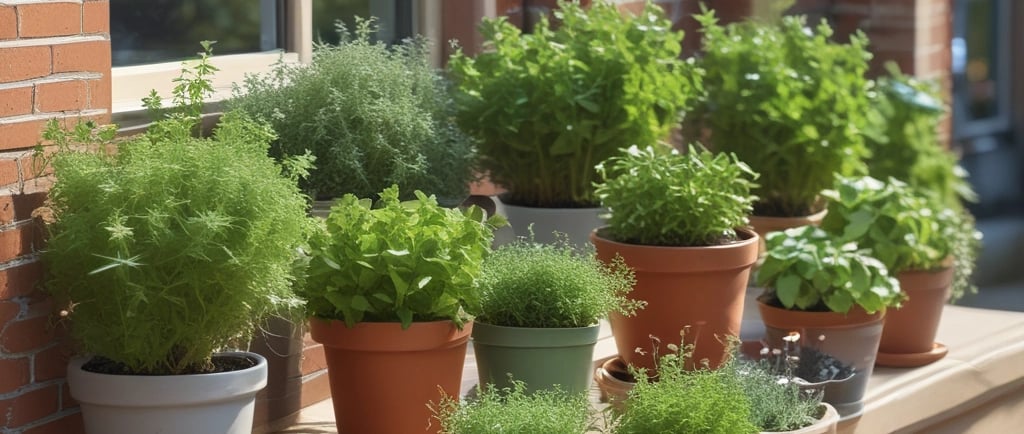
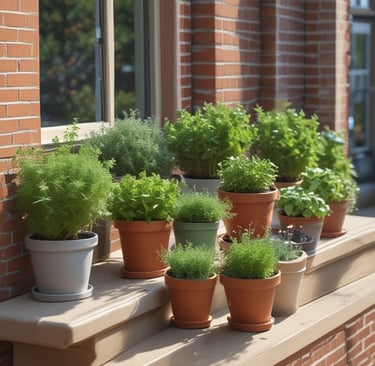
I'll never forget the first time I made pesto with basil I'd grown myself on my tiny apartment balcony. The flavor was so intense and fresh compared to store-bought herbs that I literally couldn't believe it came from the same plant species! That single experience completely hooked me on growing my own herbs.
Here's a mind-blowing statistic: fresh herbs from the grocery store can cost $3-4 per tiny package, but a single basil plant in a pot produces enough leaves for 20-30 servings over a growing season. That's literally 50-100x return on investment! Plus, you're getting herbs that were growing moments before you use them, not wilting in plastic packaging for days.
Growing herbs in pots is honestly one of the easiest and most rewarding forms of gardening. Herbs are naturally forgiving plants - most of them actually prefer the well-drained conditions that containers provide. They don't need huge spaces or perfect conditions, and many herbs are nearly impossible to kill even if you're a total beginner.
I started my herb-growing journey with exactly three small pots on a sunny windowsill: basil, mint, and chives. Those three plants taught me everything about container growing - watering needs, light requirements, harvesting techniques, and most importantly, how incredibly satisfying it is to snip fresh herbs for cooking. Five years later, I'm running 15+ herb containers year-round, both indoors and outdoors, providing fresh seasonings for every meal!
In this guide, I'm gonna walk you through everything you need to know to successfully grow herbs in pots. We'll cover the best herbs for beginners, indoor versus outdoor growing, proper containers and soil, watering and feeding, harvesting techniques, and troubleshooting common problems. Let's get those herbs growing!
Why Growing Herbs in Pots is Perfect for Everyone
Container herb growing has massive advantages over both in-ground herb gardens and buying fresh herbs at the store. I honestly think potted herbs are the ideal entry point into gardening for basically anyone!
Convenience is probably the biggest benefit. Your herbs are right there outside your kitchen door or on your windowsill - literally steps away when you need fresh basil for pasta or cilantro for tacos. I cannot overstate how amazing this is compared to running to the store every time you need herbs. The proximity means you actually use herbs more often because there's zero barrier to access.
Cost savings add up incredibly fast. A package of fresh basil at my grocery store costs $3.49 for maybe 1/4 cup of leaves. A basil plant costs $3-4 and produces that much every week for months! Even accounting for the pot and soil, you break even after the first couple harvests. I estimated I save $200-300 per year growing my own herbs versus buying them fresh.
Flavor is dramatically better with homegrown herbs. Store-bought herbs are harvested days or weeks before you buy them, shipped across the country, and have been losing flavor the entire time. Herbs you grow yourself can go from plant to plate in 30 seconds, and the difference in flavor intensity is shocking. My homegrown cilantro tastes like an entirely different plant compared to the sad, wilted stuff from the supermarket!
No space required is a huge advantage. You can grow herbs successfully on a windowsill, countertop, balcony, patio, front steps, or literally anywhere you have a bit of light. I grew a thriving herb garden in a studio apartment with nothing but a south-facing window. You genuinely don't need any outdoor space to successfully grow herbs.
Year-round availability is possible with indoor herb growing. I keep basil, parsley, and chives going all winter on my kitchen windowsill, providing fresh herbs even when everything outside is dormant. This is particularly valuable in cold climates where fresh herbs become expensive or unavailable during winter months.
Beginner-friendly characteristics make herbs ideal first plants. Most culinary herbs are tough, forgiving, fast-growing, and difficult to kill. They tolerate occasional neglect, bounce back from mistakes, and don't require perfect conditions. I tell everyone who wants to start gardening to begin with herbs in pots - the success rate is incredibly high!
Pest and disease problems are minimal with herbs compared to vegetables. Most herbs are naturally pest-resistant because of their aromatic oils. I rarely deal with significant pest issues on my herbs, whereas my tomatoes and lettuce constantly attract problems. This makes herbs low-stress and easy to manage.
Best Herbs for Container Growing (Beginner-Friendly)
Not all herbs are equally suited to container life, though honestly most do fine. Here are the herbs I recommend starting with - they're forgiving, productive, and genuinely useful in cooking!
Basil is hands-down the easiest herb to grow in containers and probably the most useful in cooking. It germinates quickly from seed, grows fast, produces abundantly, and literally everyone uses basil. I've never had basil fail in a container - even my most neglected basil plants somehow survive and produce.
Sweet basil is the classic variety everyone knows, but I also love growing 'Genovese' for pesto, 'Thai' basil for Asian cooking, and 'Purple Ruffles' for visual interest. All basil varieties grow the same way in containers - give them a 6-8 inch pot, regular water, and lots of sun, and they'll produce like crazy!
The only real challenge with basil is it's frost-sensitive and won't survive cold weather. I grow basil outdoors in summer and bring a pot indoors for winter, or I start fresh plants indoors in fall.
Mint is ridiculously easy to grow and actually benefits from container confinement. In the ground, mint spreads aggressively and can take over entire gardens. In a container, that vigor is controlled and becomes an advantage - you get tons of fresh mint without it becoming invasive!
I grow spearmint and peppermint primarily, but chocolate mint and mojito mint are also fantastic. Mint tolerates partial shade better than most herbs, making it perfect for shadier spots. It's nearly indestructible - I've had mint survive complete neglect, freezing temperatures, and serious drought.
The only thing mint doesn't tolerate is being pot-bound for too long. I divide and repot mint every year or two to keep it healthy and productive.
Parsley is a kitchen workhorse that grows excellently in containers. Both flat-leaf (Italian) and curly parsley work great, though I prefer flat-leaf for cooking since it has better flavor. Parsley is biennial, meaning it grows leaves the first year and then flowers and dies the second year. I treat it as an annual and replant fresh each season.
Parsley is slower to germinate than basil (2-3 weeks versus basil's 5-7 days), but once established it's super productive. A single parsley plant provides more leaves than most families can use. It's also quite cold-hardy and can grow outdoors into late fall or even winter in mild climates.
Chives are my favorite "set it and forget it" herb. They're perennial, nearly indestructible, and come back year after year with zero effort. I planted chives in a pot five years ago, and they've been producing continuously ever since with basically no care beyond occasional watering.
Both regular chives (onion-flavored) and garlic chives work great in containers. They die back in winter but pop right back up in spring. Harvesting is easy - just snip off leaves at the base with scissors. They regrow from the base constantly.
Cilantro is tricky for some people but grows great in containers if you understand its quirks. It's a cool-season herb that bolts (goes to seed) quickly in hot weather. I grow cilantro in spring and fall when temperatures are cooler, and I succession plant every 2-3 weeks for continuous harvest.
The key with cilantro is accepting that it's a short-lived crop. Each planting lasts 4-6 weeks before bolting. Rather than fighting this, I just keep replanting! I also let some plants bolt because the seeds are coriander, which is also useful in cooking.
Oregano is a Mediterranean herb that loves container life. It prefers the well-drained, slightly dry conditions containers provide. Oregano is perennial and quite cold-hardy, surviving winters in most climates. I've had the same oregano plant in a pot for three years now.
Greek oregano has the best flavor for cooking. It grows into a compact, bushy plant that's perfect for containers. Harvest regularly to keep it bushy rather than letting it get leggy. Oregano actually develops better flavor when slightly stressed by drier conditions!
Thyme is another Mediterranean herb perfect for pots. Like oregano, it prefers well-drained soil and can tolerate drier conditions than many herbs. Common thyme, lemon thyme, and English thyme all work great. Thyme is perennial, cold-hardy, and practically maintenance-free once established.
The only challenge with thyme is it's small and slow-growing. Don't harvest too aggressively until plants are well-established. But once they're mature, they produce steadily with minimal care.
Rosemary is a beautiful, aromatic herb that does wonderfully in containers. It's a woody perennial that can grow quite large given time - I have a rosemary plant in a pot that's three feet tall! Rosemary prefers drier conditions and excellent drainage, making it perfect for container growing.
In cold climates, rosemary needs to be brought indoors for winter or treated as an annual. In zones 7-8 and warmer, it can stay outdoors year-round in containers. Rosemary is very drought-tolerant once established and actually prefers to dry out between waterings.
Choosing the Right Containers for Herbs
Container choice affects herb health and your maintenance workload. I've grown herbs in basically every type of container imaginable, and here's what actually matters!
Size requirements vary by herb, but most herbs don't need huge pots. Basil, parsley, and cilantro do well in 6-8 inch diameter pots. Larger herbs like rosemary eventually need 10-12 inch pots or bigger. Small herbs like thyme can thrive in 4-6 inch pots indefinitely.
The minimum depth for most herbs is about 6-8 inches. Herbs generally have relatively shallow root systems compared to vegetables, so you don't need super deep containers. I've successfully grown many herbs in 6-inch deep window boxes and wide, shallow bowls.
One herb per pot is my general rule for most varieties. Each herb gets its own container, which gives me flexibility in placement and care. Some herbs like different watering schedules or light levels, so individual pots make management easier.
The exception is creating mixed herb planters with compatible herbs. I have one large container with thyme, oregano, and rosemary together - all three prefer similar conditions (drier soil, full sun, Mediterranean climate). Another container has parsley, chives, and cilantro together since they like moister soil and can tolerate partial shade.
Drainage holes are absolutely essential - even more so for herbs than for vegetables! Most herbs hate soggy soil and will develop root rot if drainage is poor. Every single container must have holes in the bottom. I drill 4-6 drainage holes minimum in any container I'm using for herbs.
Terra cotta pots are my favorite containers for Mediterranean herbs like rosemary, thyme, oregano, and sage. The porous material allows air and moisture to move through, which prevents overwatering. Terra cotta also looks beautiful and has that classic herb garden aesthetic. The downside is it dries out quickly, requiring more frequent watering.
Plastic pots work great for moisture-loving herbs like basil, mint, parsley, and cilantro. Plastic retains moisture better than terra cotta, reducing watering frequency. Plastic pots are also lightweight, inexpensive, and widely available. I use lots of simple plastic nursery pots for my herbs - they're functional and cheap!
Self-watering containers are excellent for herbs if you travel or tend to forget watering. I use self-watering pots for basil especially, since basil is so water-sensitive. The consistent moisture keeps basil happy without constant attention. Just be careful with Mediterranean herbs in self-watering containers - they can stay too wet.
Window boxes and rectangular planters maximize space on balconies and patios. I use 24-36 inch window boxes for growing multiple herb plants in a compact footprint. These work great for creating mixed herb collections in small spaces.
Hanging baskets are perfect for trailing herbs like certain oregano varieties or for elevating herbs closer to eye level for easy harvesting. I hang baskets of herbs right outside my kitchen door for maximum convenience.
Decorative containers add visual interest to herb displays. Since herbs are relatively small and often grown near living spaces, aesthetics matter more than with vegetable containers tucked in a back garden. I invest in nicer-looking pots for my most visible herbs.
Best Potting Mix for Container Herbs
Herbs have somewhat different soil needs than vegetables, and choosing appropriate potting mix makes a big difference in plant health. I learned this after killing several rosemary plants in the wrong soil!
Well-draining soil is critical for most herbs. Many popular culinary herbs originate from Mediterranean climates where soil is rocky, lean, and drains quickly. These herbs despise soggy roots and will rot if kept too wet. Standard potting mix often retains too much moisture for Mediterranean herbs.
For Mediterranean herbs (rosemary, thyme, oregano, sage, lavender), I modify standard potting mix by adding extra drainage material. My recipe is 60% quality potting mix, 30% perlite, and 10% coarse sand. This creates a super-fast-draining mix that prevents root rot while still holding some moisture.
The texture should feel gritty and drain very quickly when watered. Water should run through almost immediately rather than pooling on the surface. This mimics the rocky, well-drained soils these herbs evolved in.
For moisture-loving herbs (basil, parsley, cilantro, mint, chives), standard quality potting mix works perfectly. These herbs appreciate more moisture retention and don't need the extra drainage that Mediterranean herbs require. I use straight-from-the-bag potting mix for these herbs.
I particularly like coir-based mixes for moisture-loving herbs because coir holds water well while still providing good aeration. Brands like Espoma Organic or Miracle-Gro Performance Organics work great.
Avoid heavy, dense potting mixes for any herbs. Even moisture-loving herbs need good drainage and aeration. I steer clear of mixes with lots of wood chips or those that feel heavy and dense. Herbs want light, fluffy growing medium.
Nutrient levels should be moderate for most herbs. Overly rich soil causes herbs to produce lots of leafy growth with weak flavor. The aromatic oils that give herbs their flavor are actually produced more intensely when plants are slightly stressed by leaner conditions. I use potting mixes with moderate nutrition - not super-rich like I'd use for tomatoes.
For indoor herbs, I prefer soil-less potting mixes that are sterile and pest-free. These typically contain peat or coir, perlite, and vermiculite with added fertilizer. They're lightweight, clean, and don't harbor fungus gnats or other pests that can be problematic indoors.
pH considerations matter for some herbs. Most herbs prefer slightly acidic to neutral soil (pH 6.0-7.0). Quality potting mixes are typically formulated in this range. I've never had to adjust pH for herbs - standard potting mix works fine straight from the bag.
Outdoor Herb Container Gardening
Growing herbs outdoors in containers is incredibly rewarding and generally easier than indoor growing. Natural sunlight, rain, and air circulation create ideal conditions for most herbs!
Sunlight requirements are the most critical factor for outdoor herb success. Most culinary herbs need 6-8 hours of direct sun daily for best performance. I place my outdoor herb containers in the sunniest spots available - my south-facing patio gets full sun all day, and that's where my basil, rosemary, and thyme live.
Partial shade works for some herbs, though production will be lower than in full sun. Mint, parsley, cilantro, and chives all tolerate 4-6 hours of sun or bright indirect light. My north-facing balcony gets maybe 4 hours of direct morning sun, and I successfully grow these shade-tolerant herbs there.
Avoid full shade for culinary herbs. Even the most shade-tolerant herbs need at least 3-4 hours of direct sun to produce well. I tried growing basil in a spot that got only 2 hours of sun, and it was leggy, weak, and barely produced leaves. Full sun is always better if you have it!
Watering frequency increases dramatically outdoors versus indoors. Outdoor containers dry out from sun and wind exposure much faster than indoor pots. During summer heat, my outdoor basil and parsley need daily watering, sometimes twice daily in really hot weather.
I check outdoor herbs every morning by sticking my finger in the soil. If the top inch is dry, I water thoroughly until water runs from drainage holes. In cooler spring and fall weather, watering every 2-3 days might be sufficient. It varies constantly based on weather!
Group containers together to create a microclimate and make watering easier. I cluster all my outdoor herbs in one area, which makes morning watering efficient - I just work my way through the group. Grouping also provides some wind protection and creates higher humidity around plants.
Fertilizing outdoor container herbs should be gentle and infrequent. I use diluted liquid fertilizer (half the recommended strength) every 3-4 weeks during active growth. Over-fertilizing herbs reduces flavor intensity - they get lush and leafy but lose that concentrated herb taste.
Fish emulsion or compost tea work great for herbs. Both provide gentle, organic nutrition without the harsh chemical salts that can build up with synthetic fertilizers. I alternate between the two, fertilizing outdoor herbs maybe once a month during summer.
Weather protection becomes necessary during extreme conditions. I bring tender herbs like basil indoors when temperatures drop below 50°F at night. During heat waves above 95°F, I move containers to shadier spots to prevent stress and bolting. Heavy wind can shred delicate herbs like basil, so I tuck those containers in protected areas during storms.
Seasonal changes affect outdoor herb growing dramatically. Spring and fall are actually ideal for many herbs - moderate temperatures, adequate rainfall, and pleasant growing conditions. Summer can stress some herbs with extreme heat. Winter obviously kills frost-tender herbs in cold climates.
I embrace the seasons by growing cool-season herbs (cilantro, parsley, chives) in spring and fall, warm-season herbs (basil, Thai basil) in summer, and bringing select containers indoors for winter. This rotation keeps me in fresh herbs year-round without fighting the weather!
Indoor Herb Container Gardening
Growing herbs indoors extends the harvest season and provides fresh herbs year-round. I always have 3-5 herb pots growing on my kitchen windowsill, even in the middle of winter!
Light is the biggest challenge for indoor herb growing. Most herbs need strong, direct sunlight - at least 4-6 hours daily minimum. South-facing windows provide the best light in the Northern Hemisphere. East and west-facing windows work okay for some herbs. North-facing windows don't provide enough light for most culinary herbs.
I learned this the hard way trying to grow basil on a north-facing windowsill. The plant survived but was leggy, pale, and barely produced. When I moved it to my south-facing kitchen window, it transformed into a bushy, productive plant within weeks!
Supplemental grow lights solve the light problem if you don't have good window light. I use simple LED grow lights on timers for 12-14 hours daily, positioned 6-12 inches above plants. This works fantastic and allows me to grow herbs in spots without windows. Grow light setups can range from $20 simple clip-on lights to $100+ fancy systems - both work fine!
Temperature and humidity indoors affect herb health significantly. Most herbs prefer temperatures between 60-75°F, which is normal room temperature. They can tolerate some variation but extremes stress them. Don't place herbs right against cold windows in winter or near heat vents.
Indoor air is typically much drier than outdoors, especially in winter when heating systems run. Herbs appreciate higher humidity, so I group pots together (creates humidity around plants), set pots on pebble trays with water (evaporation increases local humidity), or run a small humidifier near my indoor herbs.
Watering indoor herbs requires more attention than I initially expected. Indoor containers don't dry out as fast as outdoor ones (no sun and wind), but central heating can dry them quickly in winter. I check moisture levels every 2-3 days by finger-testing the soil.
Overwatering is actually more common indoors than underwatering! Indoor pots sit in saucers that can accumulate water, creating soggy soil if you're not careful. I always dump out saucer water after watering to prevent pots from sitting in standing water.
Air circulation matters for preventing fungal diseases indoors. Stagnant air encourages mold, mildew, and fungus gnats. I run a small fan on low speed near my indoor herbs for a few hours daily, or I just crack a window occasionally to get air moving. Good air flow keeps plants healthier.
Best herbs for indoor growing are generally smaller varieties that don't need huge containers. Basil (especially compact varieties like 'Spicy Globe'), parsley, chives, thyme, oregano, and mint all work well indoors. I've had good success with these herbs on windowsills for years.
Avoid large, woody herbs like rosemary indoors unless you have excellent light. Rosemary needs intense sun and often struggles on windowsills. It can work with strong grow lights, but it's challenging. I tried keeping rosemary indoors for winter and it barely survived - it's happier outdoors or in a very bright sunroom.
Rotate plants weekly for even growth. Indoor herbs grow toward the light source, causing lopsided growth if not rotated. I turn my indoor herb pots 180 degrees every week so all sides get window exposure. This keeps plants growing evenly rather than stretching sideways toward light.
Watering Herbs in Containers Correctly
Watering is probably the trickiest aspect of container herb growing because different herbs want different moisture levels. I killed more herbs from incorrect watering than any other cause when I first started!
The finger test is your most reliable watering indicator. Stick your finger into the soil up to your second knuckle (about 2 inches deep). If it feels dry at that depth, water thoroughly. If it's still moist, check again tomorrow. This simple test works for all herbs, though you'll water Mediterranean herbs less frequently than moisture-loving ones.
Mediterranean herbs (rosemary, thyme, oregano, sage, lavender) prefer to dry out between waterings. I let the soil become fairly dry before watering these herbs - sometimes waiting until the soil is dry several inches down. These herbs actually perform better when slightly underwatered than overwatered.
Signs they need water include leaves starting to look slightly dull or grayish (though don't wait for wilting). I water maybe every 4-7 days depending on pot size, temperature, and season. In cool winter months, my rosemary might go 10+ days between waterings.
Moisture-loving herbs (basil, mint, parsley, cilantro, chives) want consistently moist (but not soggy) soil. These herbs suffer if they dry out completely - basil especially will wilt dramatically and drop flowers/seeds when stressed by drought. I water these herbs much more frequently, checking daily during hot weather.
Signs they need water include slight leaf drooping or loss of that perky, turgid appearance. I never let these herbs fully wilt - I water before they reach that point. During summer, this might mean daily watering or even twice daily for basil in small pots.
Water thoroughly until it runs from drainage holes whenever you water. Light, shallow watering only wets the soil surface, encouraging shallow root development. Deep watering ensures the entire root zone gets moisture and promotes healthy, deep root growth. I water until I see a steady stream coming from the bottom, then I stop.
Time of day affects fungal disease risk. Morning watering is ideal because it allows foliage to dry during the day. Evening watering means leaves stay wet overnight, which invites fungal problems like powdery mildew. I water all my herbs in the morning when possible, or at least early enough that foliage dries before dark.
Bottom watering works great for some herbs. I set pots in a tray of water and let them soak up moisture from below for 15-20 minutes, then remove from the tray. This thoroughly wets the soil while keeping foliage dry, reducing disease risk. I use this method for my indoor herbs especially.
Drainage is crucial - never let herbs sit in standing water! Pots should never sit directly in water-filled saucers for extended periods. This causes root rot even in moisture-loving herbs. I dump out saucer water 15-20 minutes after watering to prevent this problem.
Seasonal adjustments are necessary. Summer means frequent watering - sometimes daily or twice daily. Winter means much less frequent watering, especially for indoor herbs. Spring and fall are moderate. I don't follow a rigid schedule - I adjust based on actual soil moisture and weather conditions.
Harvesting Herbs for Maximum Production
Proper harvesting techniques actually increase herb production rather than depleting plants. I didn't understand this initially and was way too timid about harvesting, which led to leggy, unproductive plants!
The pinching technique is fundamental for bushy herbs like basil, mint, and oregano. I pinch or cut stems just above a set of leaves, which encourages the plant to branch at that point. Each pinch creates two new growing points, making the plant bushier and more productive. I learned to pinch rather than just taking individual leaves!
For basil specifically, I always pinch stem tips just above where two leaves connect to the main stem. Within days, two new stems grow from that point. By regularly pinching basil this way, a single plant becomes a huge, bushy specimen producing tons of leaves.
Never take more than 1/3 of the plant at once. This is my general harvesting rule for all herbs. Taking too much at once stresses the plant and slows regrowth. I spread harvesting across multiple sessions rather than strip-mining one plant.
The exception is end-of-season harvesting when I know frost is coming. Then I harvest everything since the plant is going to die anyway!
Morning harvesting provides the best flavor. Herb essential oils are most concentrated in the morning after the plant has recovered from the previous day's stress but before the sun gets hot. I pick herbs mid-morning after dew has dried but before the heat of the day. The flavor difference is noticeable compared to afternoon-harvested herbs!
Harvest before flowering for most herbs. Once herbs start flowering, leaf production slows and flavor often changes or becomes bitter. I cut off flower buds whenever I see them developing on basil, mint, and most culinary herbs. This redirects the plant's energy back to leaf production.
The exception is if I want seeds (cilantro/coriander, dill) or if I'm growing herbs for flowers (like chive blossoms which are edible and delicious).
Regular harvesting keeps plants productive. Counterintuitively, the more you harvest, the more herbs produce! Plants that are regularly harvested stay bushy and keep producing new growth. Plants that are never harvested get leggy, woody, and less productive.
I harvest from my herbs at least weekly, even if I don't immediately need them. I dry excess herbs or freeze them rather than let plants get overgrown.
Woody herbs like rosemary and thyme should be harvested by cutting young, tender stem tips rather than taking woody growth. I snip the newest 2-4 inches of growth, which is tender and flavorful. Avoid cutting into old, woody stems which may not regrow well.
Leaf herbs like parsley and cilantro are harvested by cutting outer stems at the base. I take entire stems from the outside of the plant, leaving the center to continue growing. This provides nice long stems for cooking while keeping the plant productive.
Perennial herbs can be harvested year-round, though I go easy during winter when growth is slow. My chives, oregano, and thyme provide small harvests even in winter, though I take much less than during active growing seasons.
Tools matter for clean cuts. I use sharp scissors or small pruning snips for harvesting herbs. Clean cuts heal faster than torn or ragged cuts. I clean my scissors with rubbing alcohol occasionally to prevent spreading diseases between plants.
Common Problems and Solutions for Container Herbs
Even easy herbs encounter problems occasionally. Here's how to identify and fix the most common issues I've dealt with over the years!
Leggy, stretched growth indicates insufficient light. This is super common with indoor herbs or herbs in shady spots. The stems get long and weak, spacing between leaves increases, and the plant looks spindly rather than bushy. My basil did this on a north-facing windowsill - it stretched desperately toward the limited light.
The solution is more light! Move plants to sunnier locations or add grow lights. Once you improve light, pinch back leggy growth to encourage bushy regrowth in the better conditions.
Yellowing leaves can indicate several different problems. Lower leaves yellowing while upper leaves stay green usually means nitrogen deficiency - time to fertilize. Entire plant yellowing might indicate overwatering and root rot, or possibly iron deficiency if veins stay green while leaf tissue yellows.
I troubleshoot yellowing by considering recent care. Have I been overwatering? When did I last fertilize? Is drainage adequate? Usually the cause becomes obvious when I think through recent conditions.
Wilting despite wet soil indicates root rot from overwatering or poor drainage. The damaged roots can't absorb water even though it's available, so the plant wilts. I've lost several rosemary plants to this before learning they need drier conditions!
The fix is improving drainage and reducing watering. I might repot in a faster-draining soil mix, ensure drainage holes are adequate, and be much more conservative with watering. Sometimes root rot is too advanced to save the plant, so prevention is key.
Pests are relatively uncommon on herbs but do occasionally appear. Aphids cluster on new growth and can be sprayed off with water or treated with insecticidal soap. Spider mites cause stippled, yellowish leaves - treat with neem oil spray. Whiteflies sometimes infest indoor basil - yellow sticky traps catch adults while insecticidal soap kills nymphs.
The aromatic oils in most herbs naturally repel many pests, so infestations are usually minor and manageable without harsh treatments.
Fungus gnats are annoying little flies that breed in moist potting soil. They're particularly common with indoor herbs. The adults are harmless but annoying, while larvae can damage roots if populations get high. I control fungus gnats by allowing soil to dry more between waterings, using yellow sticky traps for adults, and occasionally drenching soil with Bt (Bacillus thuringiensis) to kill larvae.
Powdery mildew appears as white, powdery spots on leaves. It's caused by fungal spores that thrive in humid conditions with poor air circulation. I prevent mildew by ensuring good air flow around plants, avoiding overhead watering that wets foliage, and not overcrowding containers.
If mildew does develop, I spray affected plants with a baking soda solution (1 tablespoon baking soda per quart of water) or neem oil. Removing heavily infected leaves helps prevent spread.
Bolting (going to seed prematurely) affects herbs like basil and cilantro when stressed by heat or water fluctuations. Once herbs bolt, leaf production stops and flavor changes. I prevent bolting by providing consistent water, adequate shade during heat waves for sensitive herbs, and growing bolting-prone herbs during cooler seasons.
With basil, I pinch off flower buds whenever I see them to delay bolting. With cilantro, I just accept that it's short-lived and succession plant every 2-3 weeks.
Brown leaf tips often indicate fertilizer burn from over-feeding or salt buildup. I flush containers thoroughly with water to wash out accumulated salts, then reduce fertilizer frequency/concentration. Brown tips can also indicate fluoride toxicity from tap water in some areas - using filtered or rain water solves this.
Root-bound plants show stunted growth, rapid drying out, and roots growing from drainage holes. The solution is transplanting to a larger container or dividing the plant if it's something like mint or chives that can be split.
Preserving Fresh Herbs from Your Container Garden
Growing more herbs than you can use fresh is a good problem to have! I preserve excess herbs several ways to enjoy homegrown flavor year-round.
Drying is the classic preservation method that works for most herbs. I bundle stems together, tie with string, and hang upside down in a warm, dry, dark location for 1-2 weeks. Once completely dry and crispy, I strip leaves from stems and store in airtight jars.
Herbs that dry well include rosemary, thyme, oregano, sage, and mint. Basil and parsley can be dried but lose significant flavor - I prefer other methods for these.
Freezing preserves flavor better than drying for some herbs. I chop basil, parsley, or cilantro and freeze in ice cube trays with a bit of water or olive oil. Once frozen, I pop out the cubes and store in freezer bags. Each cube equals about 1 tablespoon fresh herbs - perfect for adding to soups, sauces, and sautees!
Herb butter is a delicious way to preserve and use herbs. I blend softened butter with chopped fresh herbs (rosemary, thyme, chives, parsley - whatever I have), form into logs wrapped in plastic wrap, and freeze. Slices of herb butter are amazing on bread, melted over vegetables, or used for cooking.
Pesto freezes beautifully and uses lots of basil. My basic pesto recipe uses 2 cups packed basil, 1/2 cup olive oil, 1/3 cup pine nuts or walnuts, 2-3 garlic cloves, and 1/2 cup parmesan. I blend everything smooth, then freeze in small containers or ice cube trays. Homemade pesto from garden basil is incomparably better than store-bought!
Herb-infused oils and vinegars capture herb flavors in liquid form. I stuff fresh herb sprigs into bottles, cover with oil or vinegar, and let infuse for 2-3 weeks. The infused oils and vinegars add herb flavor to dressings, marinades, and cooking. Rosemary, thyme, and oregano work particularly well for this.
Note: herb oils should be refrigerated and used within a week or two to prevent botulism risk. For longer storage, freeze herb oils or stick with vinegars which are safe at room temperature.
Herb salts combine chopped fresh herbs with coarse salt.
I layer herbs and salt in a food processor, pulse until well mixed, then spread on a baking sheet to dry. Once dry, I store in jars and use for seasoning. This works great with rosemary, thyme, and oregano.
The best preservation method depends on the herb and how you'll use it. I dry woody herbs like rosemary and thyme, freeze tender herbs like basil and parsley, and make pesto when I have abundant basil. Having multiple preservation methods means I waste almost nothing from my herb containers!
Conclusion
Growing herbs in pots is honestly one of the most rewarding and practical forms of gardening you can do. The return on investment - both financially and in terms of flavor and convenience - is absolutely unbeatable. A $3 basil plant provides $50+ worth of fresh herbs over a growing season, and the flavor is incomparably better than store-bought!
The beautiful thing about container herb growing is how accessible it is to everyone. You don't need a yard, a green thumb, or even outdoor space. A sunny windowsill, a small balcony, or a patio step is enough to grow fresh herbs year-round. The barrier to entry is incredibly low - a few pots, some potting mix, and herb plants or seeds, and you're in business!
Start small with 2-3 easy herbs like basil, mint, and chives. Learn their needs, figure out your watering rhythm, and build confidence before expanding. I started with exactly three small herb pots, and that foundation taught me everything I needed to know to eventually grow 15+ different herbs successfully.
The skills you develop growing herbs transfer directly to other container gardening. Understanding watering needs, recognizing pest problems, learning to harvest properly - all these skills apply whether you're growing basil or tomatoes. Herbs are the perfect training ground for developing your gardening abilities!
Remember that herbs are forgiving plants that tolerate mistakes and bounce back from neglect better than most crops. Don't stress about perfect conditions or worry that you'll kill everything. You probably will kill a few plants as you learn - I certainly did! Each failure teaches you something valuable that makes you a better gardener.
What herbs are you planning to grow in containers? Do you prefer indoor windowsill herbs or outdoor patio growing? Drop a comment below and share your herb growing experiences or ask questions! I love helping people discover how easy and rewarding fresh homegrown herbs can be. Let's grow something delicious in 2026!