
How to Apply Polyurethane Without Brush Marks: Complete Guide
Learn how to apply polyurethane without brush marks. Master brush techniques, product selection, and pro tips for glass-smooth finishes on your woodworking projects today!
WOODWORKING
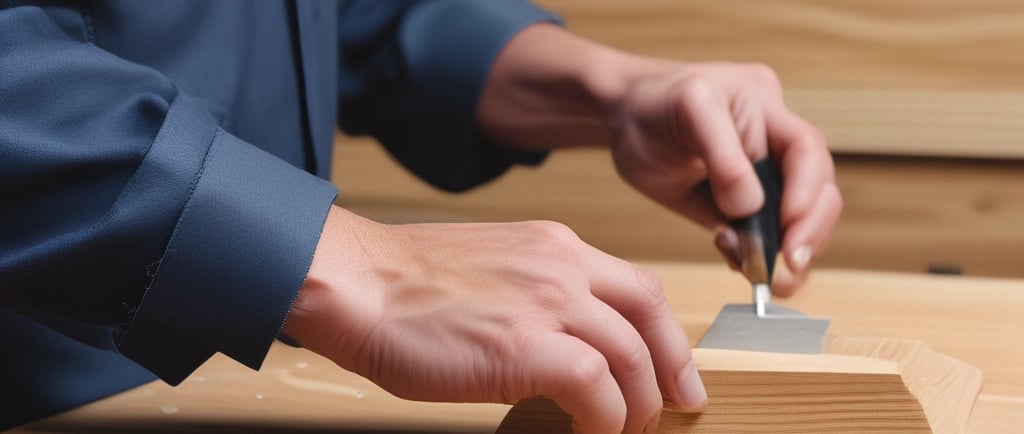
Here's a confession that still makes me cringe: I spent three weekends building a beautiful walnut coffee table—perfect joinery, smooth surfaces, gorgeous grain—then completely ruined it with my first polyurethane coat. The finish looked like I'd applied it with a broom during an earthquake. Brush marks everywhere, visible stroke lines, and a texture that felt like sandpaper instead of the glass-smooth finish I'd imagined!
I was devastated. All that work destroyed by bad finishing technique. I almost gave up on polyurethane entirely and considered just leaving everything unfinished. Then a finishing expert at my local woodworking store spent twenty minutes teaching me the secrets to brush-mark-free polyurethane. That advice transformed my finishing results completely!
According to professional finishers, brush marks are the number one complaint from beginners applying polyurethane. The finish seems simple—just brush it on, right? Wrong. There's a specific technique, proper product selection, and critical timing that separates amateur-looking brushy finishes from professional glass-smooth results.
If you've struggled with brush marks in polyurethane, you're not alone. I've probably applied polyurethane to over a hundred projects at this point, and I learned through painful trial and error what actually works versus what creates that dreaded "brushy" look.
In this guide, I'm breaking down exactly how to apply polyurethane without brush marks. I'll cover the right brushes, proper technique, environmental factors, product selection, and troubleshooting tips—everything I wish someone had told me before I ruined that coffee table. Whether you're finishing furniture, cabinets, or trim work, these techniques will help you achieve professional results!
Why Polyurethane Shows Brush Marks (Understanding the Problem)
Before you can solve brush marks, you need to understand why they happen. It's not just "bad technique"—it's chemistry and physics working against you.
How Polyurethane Dries and Self-Levels:
Polyurethane is designed to "level" or self-smooth after application. In theory, you brush it on, the brush marks start out visible, then as the finish flows, those marks disappear.
But here's the catch: this leveling only happens during a specific time window. The polyurethane needs to be wet enough to flow, but the solvents are evaporating constantly. If the finish dries too fast, it locks in brush marks before leveling can happen.
I learned this watching polyurethane dry on test boards. On a warm day, I could actually see the finish starting to set up within 5-10 minutes. The brush marks that were still visible at 10 minutes stayed visible permanently.
The Viscosity Problem:
Polyurethane right out of the can is thick—high viscosity. This thickness makes it hard to brush smoothly. Each brush stroke leaves ridges because the finish is too thick to flow flat before it starts setting up.
Think of it like trying to spread cold honey versus warm honey. Cold honey (high viscosity) leaves ridges and doesn't flow smooth. Warm honey (lower viscosity) spreads easily and self-levels.
Many professionals thin polyurethane 10-20% with mineral spirits (oil-based) or water (water-based) to improve flow and leveling. The can usually says "do not thin," but controlled thinning actually improves results.
Temperature and Humidity Effects:
Cold temperatures make polyurethane thicker and slower to level. I tried finishing in my 55°F garage once—the polyurethane was like molasses and showed every brush mark.
Warm temperatures (70-80°F) keep polyurethane flowing better. But too hot (90°F+) and it dries so fast that leveling can't happen before the finish sets.
Humidity affects drying time. High humidity slows drying, which sounds good for leveling, but can cause other problems like blushing (cloudy finish) in certain formulas.
The sweet spot: 65-75°F with 40-60% humidity. In these conditions, polyurethane behaves predictably and levels well.
Oil-Based vs. Water-Based:
Oil-based polyurethane has more time to level before it starts setting up—usually 10-20 minutes of working time. This gives brush marks time to flow out.
Water-based polyurethane dries faster—often starting to set within 5-10 minutes. Less leveling time means brush marks are more likely to remain visible.
I find oil-based more forgiving for brush application. Water-based requires more careful technique because you have less margin for error.
Common Mistakes That Guarantee Brush Marks:
Going back over areas that are starting to dry: This is the worst offense. Once polyurethane starts to set (feels tacky), any additional brushing creates permanent marks. I've ruined projects by trying to "fix" small imperfections after the finish was already setting.
Using cheap brushes: Bristles fall out, leave marks, don't hold enough finish. A $3 chip brush creates $3 results.
Working too slowly: If you take 30 minutes to brush a tabletop, the first areas you brushed are already setting while you're still working on later areas. This creates lap marks and uneven appearance.
Overbrushing: Repeatedly going over the same area hoping to smooth it. Each additional stroke adds more brush marks instead of removing them.
Wrong environmental conditions: Too cold, too hot, too humid, too dusty—all create problems that prevent proper leveling.
The Physics of Leveling:
Leveling is surface tension pulling the finish flat. Imagine water beads on a waxed car—surface tension pulls them into spheres. Similar forces pull polyurethane flat if given time and proper conditions.
But additives in polyurethane (especially cheap formulations) can interfere with this. Some cheap polys have ingredients that increase shelf stability but decrease leveling ability.
Understanding why brush marks happen helped me tremendously. Instead of just "trying harder," I adjusted technique, products, and conditions to work WITH the chemistry instead of against it!
Choosing the Right Polyurethane Product
Not all polyurethane is created equal. Product selection dramatically affects how easily you can achieve brush-mark-free results.
Oil-Based Polyurethane:
This is traditional polyurethane dissolved in mineral spirits. It's been around for decades and has a proven track record.
Pros for brush application:
Longer working time (15-20 minutes before it starts setting)
Excellent self-leveling properties
More forgiving of application mistakes
Builds thickness faster (fewer coats needed)
Durable, hard finish when fully cured
Cons:
Strong odor requires good ventilation
Slower drying time (4-6 hours between coats minimum)
Amber tint that darkens over time
Cleanup requires mineral spirits
Takes weeks to fully cure
I use oil-based for most furniture projects. The extended working time lets me get smooth, brush-mark-free results even as a hobbyist without spray equipment.
My recommendation: Minwax Fast-Drying Polyurethane or General Finishes Arm-R-Seal. Both level well and produce excellent results.
Water-Based Polyurethane:
Modern water-based polys have improved dramatically but still have different characteristics than oil-based.
Pros:
Low odor, safer for indoor use
Dries clear without amber tint
Faster drying (2-3 hours between coats)
Cleanup with water
Lower VOC emissions
Cons for brush application:
Faster drying means less leveling time
More technique-sensitive for avoiding brush marks
Requires more coats to build equivalent protection
Can raise grain requiring additional sanding
More expensive per ounce
Water-based poly is trickier to brush without marks. I save it for projects where the clear appearance justifies the extra difficulty.
My recommendation: General Finishes High Performance or Varathane Ultimate. Both have better leveling than cheap water-based formulas.
Wipe-On Polyurethane:
This is thinned polyurethane designed for application with a cloth rather than a brush.
Why it's nearly foolproof:
Wipe-on poly is thin enough that it naturally levels perfectly. You literally cannot create visible brush marks because you're not using a brush!
I recommend wipe-on poly to beginners struggling with brush application. Yes, it requires more coats (maybe 5-6 instead of 3), but every coat goes on perfectly smooth.
Downside: Slower to build finish thickness, so it's time-consuming for large projects.
My recommendation: Minwax Wipe-On Poly. Works exactly as advertised and produces flawless results.
Gel Polyurethane:
Thick, gel-consistency polyurethane that doesn't run or drip. Applied with cloth in wiping motions.
Gel poly is great for vertical surfaces (table legs, chair spindles) where runs would be a problem with liquid poly. The thick consistency prevents drips.
Less common for flat surfaces because it takes more elbow grease to spread. But it's impossible to get brush marks because, again, you're not brushing!
High-Quality vs. Budget Formulations:
I tested cheap vs. premium polyurethane side-by-side. The difference was shocking.
Cheap polyurethane ($8-12 per quart):
Thick, difficult to brush smoothly
Poor leveling—brush marks stay visible
Inconsistent quality batch-to-batch
May contain fillers that cloud the finish
Premium polyurethane ($15-25 per quart):
Thinner out of can, flows better
Excellent leveling properties
Consistent quality
Clearer, more durable final finish
The price difference is maybe $10-15 per quart. On a project where you're using one quart for an entire table, that's a trivial cost for dramatically better results.
I stopped buying cheap polyurethane completely. The frustration and failed finishes cost way more than saving $10.
Fast-Dry vs. Slow-Dry:
Fast-drying formulas (like Minwax Fast-Drying Poly) are convenient but have shorter leveling windows. They're workable but require more careful technique.
Traditional formulas take longer to dry but give more time for leveling. For beginners, this is often worth the wait between coats.
I use fast-dry for small projects where I want multiple coats in one day. For important furniture, I use standard formulas that give maximum leveling time.
Reading Labels:
Look for terms like:
"Self-leveling"
"High-flow formula"
"Professional grade"
Specific leveling additives mentioned
Avoid products that:
Don't specify leveling properties
Say "fast-dry" without mentioning leveling
Are suspiciously cheap compared to major brands
My Current Go-To Products:
For furniture (oil-based): General Finishes Arm-R-Seal or Minwax Polyurethane (not fast-drying)
For clear finishes (water-based): General Finishes High Performance
For foolproof results: Minwax Wipe-On Poly
For vertical surfaces: General Finishes Gel Topcoat
These products are forgiving of technique mistakes and level excellently in normal conditions. They cost more than bargain brands but produce professional results!
The Best Brushes for Polyurethane Application
The brush matters as much as technique. Using the wrong brush guarantees brush marks no matter how good your application technique is.
Natural Bristle vs. Synthetic Bristle:
For oil-based polyurethane, use natural bristle brushes (usually China bristle). The natural bristles hold more finish and create smoother application.
For water-based polyurethane, use synthetic bristles (nylon or polyester). Water causes natural bristles to swell and become uncontrollable.
I made the mistake of using a synthetic brush with oil-based poly once. The bristles were too stiff, left visible stroke marks, and the finish looked terrible. The right bristle type for your finish type is non-negotiable.
Why Cheap Brushes Guarantee Brush Marks:
I tested this extensively because I'm cheap and kept hoping budget brushes would work. They don't.
Problems with cheap brushes:
Bristles fall out and get stuck in your finish
Uneven bristle lengths create streaks
Bristles are too stiff and leave harsh marks
Brush doesn't hold enough finish, requiring constant reloading
Handle balance is poor, making control difficult
I've had cheap brushes shed 10-15 bristles during a single coat application. Trying to remove bristles from wet polyurethane without disturbing the finish is nearly impossible.
Quality brush characteristics:
A good brush costs $12-25 depending on size. Signs of quality:
Flagged tips: The bristle ends are split into multiple fine points rather than being blunt-cut. Flagged tips hold more finish and create smoother application. Hold the brush up to light—you should see the split ends.
Tapered bristles: Bristles that are thicker at the base, thinner at the tip. This provides the right flex for smooth application.
Proper "spring": Bend the bristles—they should flex smoothly and return to shape. Too stiff means harsh brush marks. Too soft means poor control.
Secure ferrule: The metal band holding bristles should be crimped tightly with no gaps. Shake the brush—no bristles should fall out.
Comfortable handle: You'll be holding this for 20-30 minutes during application. An ergonomic handle reduces fatigue and improves control.
Ideal Brush Width:
For most furniture finishing:
2-2.5 inch brush for table legs, chair parts, narrow boards 2.5-3 inch brush for general furniture (my most-used size) 3-4 inch brush for large flat surfaces like tabletops
Wider isn't always better. Too-wide brushes are heavy, harder to control, and difficult to maintain even pressure across the full width.
I own three brushes: 2", 3", and 4". The 3" brush gets used on 80% of my projects.
My Top Brush Recommendations:
Purdy XL Dale ($18-22): Fantastic natural bristle brush for oil-based poly. Flagged China bristle, excellent spring, holds lots of finish. This is my primary finishing brush.
Wooster Alpha ($15-18): Another excellent natural bristle option. Slightly stiffer than Purdy, which some people prefer.
Purdy White Dove ($16-20): Synthetic bristle for water-based finishes. Soft enough for smooth application, stiff enough for control.
Corona Chinex ($12-15): Budget-friendly option that actually works. Not as refined as Purdy but dramatically better than chip brushes.
Foam Brushes: Do They Work?
Foam brushes are cheap ($1-2) and seem appealing for avoiding brush marks. I've tried them extensively.
Results: Mediocre at best. Foam brushes:
Can't hold much finish, requiring constant reloading
Tend to create bubbles in the finish
Break down and leave foam particles
Don't allow proper tipping-off technique
For small projects or touch-ups, foam brushes are adequate. For quality furniture finishing, skip them and use a proper brush.
Breaking In a New Brush:
Quality brushes benefit from conditioning before first use:
Soak natural bristle brush in mineral spirits for 10 minutes
Work the bristles with your fingers to remove loose bristles and dust
Shake out excess solvent
Wipe on paper towel until mostly dry
This removes manufacturing residue and loose bristles that would otherwise contaminate your first coat.
For synthetic brushes, repeat the process with water instead of mineral spirits.
I learned this after my new $20 brush shed bristles all over my first project. Now I always break in brushes before using them on real projects.
Brush Care for Longevity:
A quality brush properly maintained lasts for years. My Purdy brush is 5 years old and still works perfectly.
After each use:
Clean thoroughly in appropriate solvent (mineral spirits for oil-based, water for water-based)
Work out all finish from deep in the bristles
Hang to dry or lay flat (never stand on bristles—they'll permanently bend)
Once dry, wrap in paper or original packaging
Between coats on multi-day projects, I wrap the brush in plastic wrap to keep it from drying out. This beats cleaning between every coat.
The bottom line: buy ONE quality brush appropriate for your finish type. The $18 investment produces better results than any $3 brush ever will!
Surface Preparation: The Foundation of Smooth Finishes
No amount of perfect polyurethane technique can overcome poor surface preparation. A smooth finish starts with a smooth surface. This is where I failed on that walnut coffee table—I rushed the prep work.
Sanding Progression: What Grits to Use
You can't skip grits and expect good results. Each grit removes scratches from the previous grit.
My standard progression:
80 grit: Only if surface is really rough or has mill marks
120 grit: Leveling and removing major imperfections
150 grit: Smoothing
180 grit: Pre-finish smoothing
220 grit: Final finish-ready surface
I used to stop at 150 grit thinking "it feels smooth enough." Wrong. The difference between 150 and 220 is visible in the final finish. Those tiny scratches left by 150 grit show through polyurethane.
How Final Sanding Grit Affects Finish:
I tested this with sample boards finished identically except for final sanding grit:
150 grit final: Visible sanding scratches under finish, slightly rough feel
180 grit final: Much smoother, minor scratches only visible in harsh light
220 grit final: Glass smooth, no visible scratches
320 grit final: Not noticeably better than 220, just takes longer
The sweet spot is 220 grit for most projects. Going finer than 220 can actually reduce finish adhesion on some woods without improving appearance.
Removing ALL Sanding Dust:
Dust is the enemy of smooth finishes. Every speck that remains becomes a bump under your polyurethane.
My dust removal process:
Vacuum thoroughly: Use brush attachment on sander dust, all surfaces, every corner. I go over everything twice.
Compressed air (optional): Blow out joints, crevices, any spots a vacuum can't reach. Do this in well-ventilated area—the dust cloud is impressive.
Tack cloth: This is critical. Wipe every surface with a tack cloth (sticky cloth that grabs dust). Use light pressure—don't grind the tack cloth residue into the wood.
Wait 10 minutes, tack cloth again: Dust settles from the air. A second pass catches what settled after the first cleaning.
I learned this paranoid level of dust removal after getting dust nibs (bumps) in several finishes. Now my finishes are consistently smooth because the substrate is actually clean.
Tack Cloth Technique:
Unfold the tack cloth fully—don't use it wadded up. Wipe in long, smooth strokes following the grain. Turn the cloth frequently to expose clean surfaces.
When the tack cloth stops picking up dust (you'll see less dust on it), you're clean.
Cheap tack cloths sometimes leave residue. I use Minwax or 3M tack cloths that don't leave sticky residue behind.
Wood Conditioner and Its Role:
Some woods (pine, cherry, maple) absorb finish unevenly, creating blotchy appearance. Wood conditioner prevents this.
Conditioner is basically thinned finish that partially seals the wood, creating more even absorption.
When to use it:
Softwoods like pine or fir
Blotch-prone hardwoods like cherry or birch
Any time you've had blotching problems with that wood before
When to skip it:
Woods like oak, walnut, or mahogany that don't blotch
When you want maximum grain pop (conditioner reduces this slightly)
I use conditioner on all pine projects without exception. The even finish is worth the extra step.
Grain Raising and Dealing With It:
Water-based products raise wood grain—the wood fibers swell and stick up, creating roughness.
The solution:
Before finishing with water-based poly:
Lightly dampen the wood with distilled water
Let dry completely (30-60 minutes)
Lightly sand with 220 grit to knock down raised grain
Clean dust thoroughly
NOW apply water-based finish
This pre-raises the grain so your first finish coat doesn't create roughness.
I skip this step with oil-based finishes—they don't raise grain significantly.
Ensuring Perfectly Smooth Substrate:
Before applying any finish:
Visual check: Look across the surface with low-angle light (like from a window). Any bumps, scratches, or irregularities show as shadows. Fix anything you see.
Touch test: Run your hand over the surface. It should feel silky smooth with no catches or rough spots.
Tack cloth test: A final wipe should pick up no visible dust.
If any test fails, sand more and clean better.
Common Surface Prep Mistakes:
Skipping grits: Going from 120 to 220 leaves scratches that show through finish.
Sanding across the grain: Creates scratches perpendicular to grain that are super visible under finish.
Uneven sanding: Some areas at 180 grit, some at 150. The uneven areas show through finish.
Inadequate dust removal: Every piece of dust becomes a bump you'll have to sand out later.
Sanding too fine: Going to 400 grit or higher can burnish the wood, reducing finish adhesion.
I made all these mistakes. Now I follow a systematic process every time: proper grit progression, sand with the grain, thorough dust removal. The results speak for themselves!
Essential Technique: The Proper Way to Brush Polyurethane
This is where the magic happens. Proper brushing technique is the difference between brush marks and glass-smooth finishes.
Loading the Brush Correctly:
Too much finish on the brush creates drips and runs. Too little creates dry brushing and inadequate coverage.
The right amount:
Dip brush bristles about 1/3 to 1/2 their length into the polyurethane. Tap the brush gently against the inside of the can to remove excess—don't wipe it across the rim (this creates bubbles).
The brush should be loaded but not dripping. When you lift it out, finish should flow off smoothly, not run off in streams.
I used to overload my brush, creating drips and sags. Now I load conservatively and reload more frequently. Much better results.
The Three-Step Stroke: Application, Distribution, Tipping Off
This is the professional technique that transformed my finishing.
Step 1 - Application: Brush on polyurethane in smooth strokes WITH the grain. Don't worry about perfect coverage—just get finish onto the wood. Work in strips about 8-12 inches wide.
Step 2 - Distribution: Without reloading the brush, go back over the same area with long, smooth strokes to even out the coverage. You're spreading the finish uniformly across the surface.
Step 3 - Tipping Off: This is the secret sauce. With a nearly dry brush (very little finish on it), make one final, very light stroke WITH the grain from one end to the other. Barely touch the surface—just the tips of the bristles should contact the finish.
This final tipping-off stroke smooths out any brush marks left from the application and distribution strokes.
I didn't understand tipping off for years. Once I learned it, my finishes improved dramatically.
Brush Angle and Pressure:
Hold the brush at about a 45-degree angle to the surface—not flat, not straight up.
Use light to moderate pressure. You're not scrubbing—you're flowing finish onto wood. Heavy pressure creates brush marks and uneven coverage.
The brush should glide across the surface. If you're working hard, something's wrong (probably the polyurethane is too thick or your technique is off).
Working With the Grain Always:
Final strokes MUST be with the grain. Across-grain strokes create visible marks that won't level out.
I brush on finish following the grain, then tip off following the grain. Even if application strokes are slightly across grain (like on table edges), tipping-off strokes are always with the grain.
Overlapping Strokes Properly:
Overlap each stroke about 50% with the previous stroke. This ensures even coverage without creating thick/thin areas.
The overlapped areas blend together during leveling. Non-overlapped areas create visible lines.
Maintaining a Wet Edge:
This prevents lap marks—visible lines where dried finish meets wet finish.
Work quickly enough that the area you're brushing into is still wet. On large surfaces, this means working in sections and blending them while both sections are wet.
I learned this the hard way on a tabletop. I worked too slowly, and the half I finished first had started to set before I finished the second half. The lap mark down the middle was permanent.
Speed of Application:
Too slow and the finish starts setting before you're done. Too fast and you make mistakes.
My target timing:
Small projects (chair, small table): 5-10 minutes for complete coat
Medium projects (coffee table, desk): 10-15 minutes
Large projects (dining table): 15-20 minutes maximum
If you're taking longer, work in smaller sections or thin the polyurethane slightly for easier application.
When to Stop Messing With It:
This is CRITICAL. Once you've applied, distributed, and tipped off a section, LEAVE IT ALONE.
The temptation to go back and "fix" a small imperfection is overwhelming. Resist it! Once polyurethane starts setting (after about 5-10 minutes), any additional brushing creates permanent brush marks.
I've ruined more finishes by "fixing" than by any other mistake. Now I apply the section properly, tip it off, and WALK AWAY. Any minor imperfections usually level out on their own.
If you absolutely must fix something, do it immediately—within the first 2-3 minutes while finish is still very wet. After that, hands off!
My Step-by-Step Process:
Stir polyurethane gently (don't shake—creates bubbles)
Load brush properly (1/3 depth, tap off excess)
Start at far edge, work toward yourself
Apply finish in 8-12" wide strips with the grain
Distribute evenly with long strokes
Tip off with light, single strokes grain-direction
Move to next section, overlap slightly
Repeat until entire surface is coated
Do final tip-off stroke the entire length if possible
PUT THE BRUSH DOWN AND WALK AWAY
This systematic approach produces consistent, brush-mark-free results!
Environmental Factors That Affect Leveling
Your workshop conditions matter as much as your technique. I've applied the same polyurethane with identical technique in different conditions and gotten dramatically different results.
Ideal Temperature Range:
65-75°F is the sweet spot. In this range, polyurethane flows well but doesn't dry too fast.
Too cold (below 55°F):
Polyurethane becomes thick and syrupy
Won't flow or level properly
Takes forever to dry
May never cure properly in extreme cold
I tried finishing in my 50°F garage in winter. The polyurethane was so thick it wouldn't brush smoothly. Every brush mark stayed visible. The finish took three days to dry enough for a second coat.
Too hot (above 85°F):
Polyurethane dries too quickly
Insufficient time for leveling before it sets
Difficult to maintain wet edge
Brush marks lock in before they can flow out
Summer finishing in my 90°F garage was equally frustrating—different problems, same terrible results.
Solution for temperature extremes:
Work indoors in climate-controlled space when possible. If you must work in a garage/basement:
Heat in winter (space heater, but ensure proper ventilation)
Cool in summer (AC or fan, but not blowing directly on wet finish)
Time your finishing for moderate weather
Humidity's Impact:
40-60% relative humidity is ideal. Too high or low creates problems.
High humidity (above 70%):
Slower drying (good for leveling)
Risk of "blushing" (cloudy, milky appearance) with some finishes
Water-based finishes affected more than oil-based
I applied oil-based poly during humid summer weather and got blushing. The finish looked cloudy and dull instead of clear. Had to strip it and refinish in better conditions.
Low humidity (below 30%):
Faster drying (bad for leveling)
Brush marks set before leveling can occur
Finish may be more brittle when cured
Winter indoor finishing with heat running often means very low humidity. I run a humidifier in my finishing area during winter to maintain reasonable humidity.
Dust Contamination Prevention:
Dust settling into wet polyurethane creates "dust nibs"—bumps that ruin smooth finishes.
My dust prevention strategies:
Clean the workspace thoroughly: Vacuum the floor, benches, every surface. Dust disturbed during finishing settles into wet finish.
Wet the floor: I lightly mist my shop floor with water before finishing. This keeps dust from being stirred up by my movement.
Turn off fans/HVAC: Moving air stirs dust. I turn off forced air systems during application and for an hour afterward.
Avoid sweeping or sanding: Any dust-generating activity before or during finishing is asking for contamination.
Close windows: Keep out pollen, insects, outdoor dust.
Wear clean clothes: Your dusty shop clothes shed particles. I change into clean clothes for finishing.
Let dust settle: After surface prep, wait 20-30 minutes for airborne dust to settle before applying finish.
Despite all precautions, I still occasionally get dust nibs. But these measures reduce them from 20-30 per project to maybe 2-3.
Air Movement: Too Much vs. Too Little:
Too much air movement:
Dries finish too fast
Prevents proper leveling
Stirs dust into wet finish
Can create waves or ripples in the finish
Fans blowing on wet polyurethane = guaranteed brush marks and dust contamination.
Too little air movement:
Solvent fumes build up (health hazard)
Very slow drying in enclosed spaces
Potential for finish defects from trapped solvents
The balance: Gentle air circulation NOT directed at the wet finish. I crack a window or door for ventilation but position it so air doesn't blow across the workpiece.
Direct Sunlight and Heat Lamps:
Never let direct sunlight hit wet polyurethane. The intense heat causes surface drying before the finish below has cured, creating problems.
I had a table near a window once. The sunny side developed issues (clouding, poor leveling) while the shaded side was perfect.
Heat lamps to speed drying cause similar problems—surface sets while underneath stays wet, creating a weak finish prone to problems.
Let polyurethane dry at room temperature with gentle air circulation. Patience pays off!
Seasonal Considerations:
Summer finishing:
Higher temperatures and humidity
More insects (keep them out!)
Dust from open windows
Solution: Work early morning when cooler, use AC if available
Winter finishing:
Lower temperatures and humidity
Heating systems create dust
Static electricity attracts dust
Solution: Maintain 65-70°F, use humidifier, extra dust control
Spring/Fall finishing:
Often ideal conditions
Moderate temperature and humidity
I schedule important projects for these seasons when possible
When NOT to Apply Polyurethane:
I've learned to postpone finishing when conditions are wrong:
Temperature below 60°F or above 85°F
Humidity above 70% or below 30%
Dusty conditions that can't be controlled
When rushed (finishing requires patience)
When tired or distracted (mistakes happen)
Waiting for better conditions beats ruining a finish and having to strip and redo it!
Creating Optimal Conditions:
My finishing setup:
Climate-controlled space (basement in summer, heated garage in spring/fall)
Thermometer and hygrometer to monitor conditions
Dehumidifier or humidifier as needed
Dust collection run before finishing to clear air
Clean floor (wet-mopped if necessary)
Adequate but not excessive ventilation
This controlled environment means consistent, predictable results!
The Critical First Coat: Getting It Right
The first coat behaves differently than subsequent coats because it's being absorbed into raw wood. Understanding this prevents common first-coat problems.
Why the First Coat is Different:
Raw wood absorbs finish like a sponge. The first coat soaks in partially, leaving less on the surface than you applied.
End grain absorbs even more, often leaving those areas looking dry while face grain looks wet.
This uneven absorption can create appearance problems if you're not prepared for it.
Thinning First Coat: Should You Do It?
Many professionals thin the first coat 10-20% with mineral spirits (oil-based) or water (water-based).
Benefits of thinning:
Better penetration into wood
Easier brushing and leveling
Reduces brush marks on first coat
Acts as a sealer coat
Downsides:
Less build per coat (need more coats total)
Some products say "do not thin" (warranty concerns)
Requires judgment about how much to thin
I thin first coats on raw wood by about 10%. This makes application easier and results in better leveling. Subsequent coats go on full-strength.
Mix thoroughly after thinning. I stir for a full minute to ensure even distribution.
Sealing End Grain and Porous Areas:
End grain sucks up finish. Without extra attention, it looks dry while face grain looks glossy.
My approach:
Give end grain a pre-coat before finishing the whole piece:
Thin polyurethane 50% for end grain sealer
Brush onto end grain only
Let dry 2-4 hours
Lightly sand smooth
Apply first full coat to entire piece
This extra step ensures even appearance across all surfaces.
Application Sequence for Complex Projects:
On furniture with multiple surfaces (tabletops, legs, aprons), sequence matters.
My standard sequence:
Insides/bottoms first (least visible areas)
Edges and details
Vertical surfaces (legs, aprons)
Top/most visible surfaces last
This means if I make mistakes early on, they're on less visible areas. By the time I'm finishing the tabletop, I'm warmed up and focused.
Also, any drips from upper surfaces land on unfinished lower surfaces rather than wet finish.
Dealing with Absorption Variations:
Different wood species absorb differently. Even the same board can have variations—sapwood vs heartwood, earlywood vs latewood.
Solutions:
Wood conditioner: Use on blotch-prone woods before any finish.
Extra first coat: Some very porous woods need two seal coats before building the topcoat finish.
Thinned coats: Better penetration means more even appearance.
I had a pine project where absorption variation created blotchy appearance. Second attempt with wood conditioner and a thinned first coat solved it completely.
Expected Appearance After First Coat:
The first coat won't look great. Accept this! It will be:
Slightly rough to touch (raised grain)
Uneven sheen in places
Possibly blotchy where absorption varied
Thinner looking than expected
This is normal! Subsequent coats build on this foundation and even everything out.
Beginners often panic after the first coat thinking they've ruined the project. I did this multiple times. Now I know rough first coats are expected and necessary.
Common First-Coat Mistakes:
Applying too thick: Trying to get perfect coverage in one coat. This creates runs, sags, and longer drying time. Keep first coat moderate thickness.
Not thinning when you should: Full-strength poly on raw, porous wood can be difficult to brush smoothly.
Forgetting end grain: Results in dry-looking end grain that contrasts with finished face grain.
Over-sanding before first coat: Going finer than 220 grit can actually seal the wood, reducing finish adhesion.
Panicking at the appearance: First coat looks rough. That's fine. Trust the process.
Setting Yourself Up for Success:
After the first coat:
Let it dry completely (minimum time on can, I usually wait 24 hours)
Lightly sand with 220 grit to knock down any roughness
Clean dust meticulously
Apply second coat—this is where the finish starts looking good
Repeat sanding and additional coats as needed
The first coat is the foundation. Get it on evenly, let it dry, sand it smooth. Then build beautiful finish coats on top of that foundation!
Sanding Between Coats: The Secret to Smooth Finishes
Sanding between coats is non-optional for truly smooth finishes. This is where you fix imperfections and create the perfect surface for the next coat.
When to Sand Between Coats:
Timing is critical. Sand when the polyurethane is fully dry but before it's fully cured.
Too early: Finish is still soft, sandpaper gums up, you create a mess.
Too late: Finish is fully hardened, sanding is difficult, adhesion might be reduced.
The sweet spot:
Oil-based: 6-24 hours after application (follow can directions, I usually wait overnight)
Water-based: 2-4 hours minimum (I wait 3-4 hours to be safe)
Test by sanding an inconspicuous spot. If the sandpaper gums up, wait longer. If it creates powder, you're good to go.
What Grit Sandpaper Between Coats:
320 grit is my standard for between-coat sanding. Some people use 220, some use 400. I've tested extensively and 320 is the sweet spot:
Fine enough to create smooth surface
Coarse enough to work quickly
Provides good "tooth" for next coat adhesion
Don't use coarser than 220 between coats—creates scratches that show through subsequent coats.
Don't go finer than 400—you're not trying to polish, just smooth and provide adhesion.
Hand Sanding vs. Power Sanding:
For between-coat sanding, I use hand sanding with a foam block 90% of the time.
Why hand sanding:
Better control (hard to sand through with hand pressure)
Feel exactly what you're doing
No swirl marks from orbital sanders
Quiet and doesn't create dust clouds
When I power sand:
Very large flat surfaces (tabletops over 4 feet)
Multiple pieces needing same treatment
When time is critical
If power sanding, use random-orbital sander on lowest speed with very light pressure. It's easy to sand through finish with power tools.
Sanding Technique:
Light pressure is key. You're just scuffing the surface, not removing finish.
Sand with the grain in long, smooth strokes. Going across grain creates scratches that might show through.
How much to sand: Just until the surface feels uniformly smooth and you see consistent scuff marks across the entire surface. This usually takes 2-3 passes.
I used to sand aggressively, sometimes sanding completely through to bare wood in spots. Now I use light pressure and achieve better results.
How Much to Sand (Less Than You Think):
You're NOT trying to remove the coat. You're:
Knocking down dust nibs and imperfections
Creating a slightly rough surface for next coat adhesion
Smoothing any brush marks that didn't level out
30 seconds to 2 minutes per square foot is typical. Large tabletop might take 10-15 minutes total.
Removing Sanding Dust Before Next Coat:
This is just as critical as the sanding itself.
My process:
Vacuum all surfaces thoroughly
Wipe with slightly damp cloth to capture remaining dust
Let dry 5 minutes
Final tack cloth wipe
Inspect in good light—no dust should be visible
Dust left on the surface gets incorporated into the next coat, creating bumps.
Identifying and Fixing Problems Between Coats:
Between-coat sanding is your chance to fix issues.
Dust nibs: Sand them off completely—they're bumps from dust in previous coat.
Brush marks: If they didn't level out, sand them smooth. Next coat should be better.
Runs or sags: Sand carefully to level them. Might take aggressive sanding but worth it.
Thin spots: Note them for extra attention on next coat.
I examine each piece in bright light after sanding. Any problems get addressed before the next coat.
Skipping Sanding: When You Can Get Away With It:
Some situations don't require between-coat sanding:
Perfect previous coat: If the last coat dried perfectly smooth with no imperfections, you can skip sanding. But I still do a very light scuff for insurance.
Same-day recoating: If applying multiple coats within the recoat window (specified on can), you can sometimes skip sanding. The fresh coat bonds chemically to the previous coat.
Wipe-on poly: Thin coats level so well that sanding is often unnecessary between coats.
But for brushed-on traditional polyurethane, I sand between every coat without exception. The results justify the effort.
My Between-Coat Routine:
Wait minimum dry time (I usually wait overnight for oil-based, 4 hours for water-based)
Test-sand small area to ensure finish is ready
Hand-sand entire piece with 320 grit on foam block
Vacuum thoroughly
Wipe with damp cloth, let dry
Final tack cloth
Inspect for any issues
Apply next coat
This routine takes maybe 20-30 minutes for a typical piece but makes a huge difference in final finish quality!
Second and Third Coats: Building the Finish
After the foundation of the first coat and careful between-coat sanding, the middle coats are where you build protection and start seeing the beautiful finish emerge.
How Many Coats You Actually Need:
This depends on the project and the finish you want.
Minimum for adequate protection: 2-3 coats Standard for furniture: 3-4 coats
High-wear surfaces (tabletops, bars): 4-6 coats Show pieces: As many as needed for perfect appearance
I typically do three coats on most furniture. Tabletops get four or five because they take more abuse.
Each coat builds about 1-2 mils of thickness (a mil is 1/1000 of an inch). You want enough build for protection and depth, but excessive coats waste time without adding value.
Application Technique for Middle Coats:
Middle coats go on easier than the first coat because you're working on a sealed surface, not raw wood.
My technique:
The same three-step process (application, distribution, tipping off) but with some refinements:
Load the brush slightly fuller than first coat since you're not dealing with absorption. The sealed surface means finish stays on top.
Work faster because finish doesn't soak in—you're just laying down a smooth coat on an already-sealed surface.
Pay extra attention to tipping off because these coats are building the visible surface. Every imperfection in a middle coat shows in the final result.
I find second and third coats the most satisfying. The finish is starting to look good, and the technique feels natural after the learning curve of the first coat.
Reducing Viscosity for Better Flow-Out:
By the third coat, some people thin the polyurethane 5-10% even if they didn't thin earlier coats.
Why this helps:
Slightly thinner finish flows out better, creating an even smoother surface. The first couple coats provided seal and some build; later coats can be optimized for smoothness.
I don't always do this, but on important pieces where I want maximum smoothness, thinning the third coat by about 5% helps.
Don't over-thin! More than 10% and you're just applying weak finish that doesn't protect well.
Temperature of the Polyurethane Matters:
Cold polyurethane is thick and hard to brush smoothly. Warm polyurethane flows better.
The trick:
If your shop is cool, bring the polyurethane can inside to room temperature 24 hours before use. Or set the can in warm water for 10-15 minutes before use.
Warm polyurethane (70-75°F) brushes dramatically easier than cold (60°F) polyurethane.
I learned this during winter finishing. Polyurethane stored in my 60°F garage was thick and brushy. Same polyurethane warmed to 72°F brushed beautifully.
Don't overheat! Above 80°F can cause problems. Room temperature is perfect.
Recognizing When Leveling is Happening Properly:
After applying and tipping off, watch what happens over the next 5-10 minutes.
Good leveling:
Brush marks gradually soften and disappear
Surface becomes increasingly uniform
Sheen evens out across the surface
After 15-20 minutes, brush marks are barely visible or gone
Poor leveling:
Brush marks stay prominent
Surface looks unchanged after 10 minutes
Uneven areas remain uneven
If you're not seeing good leveling, the problem is likely:
Temperature too cold or hot
Polyurethane too thick (needs thinning)
Wrong brush creating too-harsh marks
Working too slowly (finish setting before leveling can occur)
I watch my finishes for the first 20 minutes after application. If leveling isn't happening, I know to adjust something on the next piece or next coat.
Troubleshooting Brush Marks That Appear:
Sometimes despite good technique, brush marks appear in the dried finish.
Causes:
Finish dried too fast (temperature issue)
Polyurethane too thick
Went back over areas after they started setting
Cheap polyurethane with poor leveling properties
Solutions for next coat:
Adjust temperature toward 70°F
Thin the polyurethane 5-10%
Use better brush or better product
Perfect your tipping-off technique
Leave the finish alone after tipping off
The current coat with brush marks gets sanded smooth between coats, then the next coat applied with corrected technique should be smooth.
Building Thickness vs. Building Smoothness:
There's a balance between:
Thick coats: Build protection faster but harder to apply without brush marks
Thin coats: Easier to apply smoothly but require more coats total
I aim for moderate thickness—enough to build protection reasonably fast, thin enough to brush and level well.
With practice, you learn how thick you can apply your specific polyurethane in your conditions while still getting good leveling.
My approach: Moderately-loaded brush, full wet coat that's not dripping. This builds finish efficiently while still leveling well.
When to Stop Adding Coats:
You're done when:
Surface feels smooth and looks even
Adequate protection is built (3-4 coats minimum for furniture)
The grain depth you want is achieved
Additional coats aren't improving appearance
I've over-coated projects thinking "one more will make it perfect" when really it just added unnecessary time. Three good coats usually produces excellent results.
More coats won't fix bad technique. If coats 1-3 have problems, coat 4 will too. Better to perfect technique over three coats than pile on five mediocre coats.
My Standard Process for Second and Third Coats:
Second coat:
Sand first coat with 320 grit
Clean dust thoroughly
Apply second coat at room temperature
Use same technique as first coat
Tip off carefully
Let level undisturbed
Third coat:
Sand second coat with 320 grit
Clean dust thoroughly
Consider 5% thinning for maximum smoothness
Apply with extra care—this might be final coat
Perfect tipping off technique
Let level without touching
At this point, evaluate if a fourth coat is needed or if three is sufficient.
The middle coats are where good technique really pays off. Perfect your process on these coats and the final coat is just repeating what you've already mastered!
The Final Coat: Achieving Glass-Smooth Results
The final coat is your last chance to get everything perfect. This coat will be what everyone sees and feels, so it deserves extra attention.
Special Considerations for the Final Coat:
The final coat doesn't get sanded (unless you're rubbing out—more on that later), so imperfections remain visible.
What's different:
Zero tolerance for dust: Every speck shows. Clean workspace even more thoroughly than previous coats.
Perfect environmental conditions: Don't apply final coat on a humid, dusty, or temperature-extreme day. Wait for ideal conditions.
Extra careful technique: This isn't practice. Slow down, focus, get it right.
No interruptions: Ensure you won't be interrupted during application. Set aside dedicated time.
I treat final coats like surgery—complete focus, perfect conditions, no rushing.
Thinning the Final Coat:
Many professionals thin the final coat 10-15% for maximum smoothness.
The logic:
Slightly thinner finish flows out better, creating the smoothest possible surface. You've already built protection with previous coats; the final coat is about appearance.
I thin my final coats by about 10% with mineral spirits (oil-based) or water (water-based). The improvement in leveling is noticeable.
Mix thoroughly after thinning and let sit 5 minutes for any bubbles to dissipate.
Perfect Environmental Conditions:
For the final coat, I'm inflexible about conditions:
Temperature: 68-72°F (not 65-75, but really dialed in) Humidity: 45-55% ideally Dust: Minimal (extra cleaning, wet floor) Air movement: Gentle circulation, nothing direct Time of day: When I'm alert and focused
If conditions aren't right, I wait. A perfect final coat is worth delaying a day for optimal conditions.
Ultra-Careful Dust Prevention:
Beyond normal dust control, for the final coat I:
Vacuum the entire shop (walls, ceiling, everything)
Wet-mop the floor
Turn off all dust-creating equipment 2 hours before
Close all windows and doors
Wear freshly-laundered, lint-free clothes
Wet-wipe the workpiece one final time
Tack cloth immediately before finishing
This paranoid level of dust control prevents the dust nibs that ruin otherwise-perfect finishes.
Allowing Maximum Leveling Time:
For the final coat, give it every opportunity to level perfectly:
Temperature: Slightly warmer than previous coats (72-75°F) speeds leveling slightly without being too fast
Humidity: Moderate humidity (50%) slows drying just enough for extended leveling
Patience: Don't move, touch, or disturb the piece for at least 2-4 hours after application
Airflow: Minimal air movement for first hour, then gentle circulation
I apply final coats late in the day, then leave the shop completely. Resist the temptation to "check on it" every 20 minutes. Leave it alone!
When to Use Rubbing Compounds:
Rubbing out (wet-sanding and polishing the final coat) is optional but creates ultimate smoothness.
When I rub out:
Show pieces or heirloom furniture
When final coat has minor imperfections (dust nibs, slight orange peel)
When I want satin finish from gloss polyurethane
When I skip rubbing out:
Final coat is already perfect
Project doesn't warrant the time (shop furniture, practice pieces)
Finish is already satin or matte
Rubbing out adds 2-4 hours of work but can transform a good finish into a spectacular finish.
The process:
Let final coat cure 3-7 days (longer for oil-based)
Wet-sand with 1000 grit, then 1500, then 2000
Use rubbing compound (automotive or woodworking specific)
Buff with soft cloth
Apply paste wax if desired
I rub out maybe 20% of my projects—the ones that matter most.
Final Coat Problems and Fixes:
Despite best efforts, problems can occur:
Dust nibs in final coat:
Let cure fully
Wet-sand the nibs out carefully
Buff smooth
Apply paste wax
Brush marks that won't level:
Let cure fully
Wet-sand smooth
Rub out with compound
Or apply one more coat with corrected technique
Uneven sheen:
Usually indicates uneven coat thickness
Rub out to even it
Or live with it (often less visible than you think)
I've had dust nibs in several final coats. Wet-sanding them out takes 20 minutes and saves the finish without needing complete refinishing.
Knowing When You've Achieved Success:
A successful final coat is:
Smooth to touch: No bumps, nibs, or rough spots
Even appearance: Consistent sheen across entire surface
Appropriate depth: Finish has visual depth, grain shows through beautifully
Durable: Feels hard and protective, not soft or tacky
Run your hand over it. Look at it in different lighting. If it looks and feels smooth, you've succeeded!
My Final Coat Checklist:
Before applying final coat:
[ ] Previous coat perfectly sanded smooth
[ ] Dust cleaned meticulously
[ ] Perfect environmental conditions
[ ] Fresh, quality brush ready
[ ] Polyurethane at ideal temperature
[ ] 10% thinning mixed in
[ ] No interruptions planned for next 30 minutes
[ ] Good lighting for application
During application:
[ ] Perfect three-step technique
[ ] Extra-careful tipping off
[ ] No going back over areas
[ ] Even, consistent coverage
After application:
[ ] Leave completely alone for 2+ hours
[ ] Inspect after 4 hours for any issues
[ ] Plan for multi-day cure before use
Follow this checklist and your final coat will be glass-smooth and beautiful!
Alternative Application Methods to Eliminate Brush Marks
If you've tried brushing and keep getting brush marks despite good technique, alternative application methods might be your answer.
Wipe-On Technique for Foolproof Results:
This is my recommendation for beginners who keep struggling with brush marks.
The method:
Thin polyurethane 50% (yes, 50%—it should be quite thin)
Fold a lint-free cloth into a pad
Dip pad into thinned poly
Wipe onto wood in smooth, even strokes
Wipe with the grain
Apply thin, even coats
Why it works:
The thin consistency levels perfectly. It's literally impossible to get brush marks because you're not using a brush!
Downsides:
Requires more coats (maybe 5-6 instead of 3)
Takes longer total time
Uses more product (all that thinning)
When I use it:
Small projects where extra coats don't matter
Difficult-to-brush items (spindles, detailed carvings)
When I'm struggling with brush marks on a particular piece
I built a small jewelry box entirely with wipe-on technique. Seven coats, each perfect and smooth. The final result was flawless.
Pad Application Using Lint-Free Cloths:
Similar to wipe-on but using full-strength or slightly-thinned polyurethane.
The technique:
Make a pad from lint-free cloth (old t-shirt works)
Pour small amount of poly into the pad
Smooth onto wood in circular motions, then straight with grain
Work in sections, maintaining wet edge
Final wipe with clean cloth to even out
This is like French polishing with shellac but using polyurethane instead.
Results: Excellent smoothness, no brush marks, but requires practice to master the pad technique.
Foam Applicators: Pros and Cons:
I've tried foam applicators (pads or brushes) extensively.
Pros:
Cheap ($2-3)
Disposable (no cleanup)
Can produce smooth results
Cons:
Create bubbles in the finish
Don't hold much finish (constant reloading)
Break down and leave particles
Difficult to control thickness
My verdict: Okay for small projects or touch-ups, not ideal for quality furniture finishing.
If you use foam, go VERY light with pressure and work quickly to minimize bubbles.
Spray Application for Ultimate Smoothness:
Spraying produces the smoothest possible finish with zero brush marks.
Methods:
HVLP spray gun (best control)
Aerosol cans (convenient but expensive)
Airless sprayer (overkill for most furniture)
Why spray is superior:
Atomized polyurethane lands evenly and levels perfectly. No brush marks are possible.
Downsides:
Requires spray equipment ($100-400 for decent HVLP setup)
Overspray mess (need spray booth or outdoor space)
Waste from overspray
Learning curve for technique
More preparation (masking, ventilation)
I bought an HVLP sprayer two years ago. For large projects or production work, it's fantastic. For one-off furniture, brushing is often easier.
Blending Techniques: Brush Then Wipe:
A hybrid approach that combines methods:
Brush on polyurethane normally
Immediately wipe over the wet finish with lint-free cloth
This removes excess and smooths brush marks
Final wipe with clean cloth
This gives you the build of brushed-on poly with the smoothness of wiping.
The trick: Work fast because you're wiping while finish is still very wet.
I use this occasionally on table legs and other hard-to-brush surfaces. It works surprisingly well.
Which Method for Different Projects:
Small boxes, detailed items: Wipe-on poly (foolproof)
Large furniture, tables: Brushing with proper technique (most efficient)
Show pieces, heirlooms: Spray if I have the equipment
Vertical surfaces, spindles: Wipe-on or brush-then-wipe
Quick projects, repairs: Foam applicators are adequate
My Preferred Method:
For 80% of projects, I still brush polyurethane. It's efficient, produces excellent results with good technique, and doesn't require special equipment or excessive coats.
For the 20% where I want absolutely perfect results or am struggling with brush marks, I use wipe-on technique.
I rarely spray because setup and cleanup time exceed brushing time for one-off furniture pieces.
The Bottom Line:
If brushing frustrates you, try wipe-on technique. It's nearly impossible to mess up, and the results are consistently excellent. Yes, you need more coats, but every coat is perfect.
Don't feel like brushing is the "right" way and alternatives are cheating. Use whatever method produces the results you want!
Troubleshooting Common Polyurethane Problems
Even with perfect technique, problems can occur. Here's how to identify and fix common issues.
Brush Marks That Won't Level Out:
You've applied the coat, tipped it off properly, waited... and the brush marks are still visible when dry.
Causes:
Polyurethane too thick (needs thinning)
Temperature too cold (finish didn't flow)
Cheap polyurethane with poor leveling
Went back over areas after they started setting
Wrong brush creating excessive marks
Fixes:
For current coat:
Let dry completely
Sand smooth with 320 grit
Next coat: thin 10%, ensure proper temperature, perfect technique
For future coats:
Switch to better polyurethane
Thin appropriately for conditions
Use quality brush
Master tipping-off technique
Consider wipe-on method
I had persistent brush marks until I started thinning polyurethane slightly and using a quality brush. Problem disappeared.
Bubbles in the Finish:
Tiny bubbles trapped in dried finish look terrible.
Causes:
Shaking the can (creates bubbles)
Cheap or foam brush creating bubbles
Brushing too aggressively
Coating over previous coat that wasn't dry
Prevention:
STIR, don't shake polyurethane
Use quality brush, avoid foam
Gentle brushing technique
Let previous coats dry fully
Fixing existing bubbles:
Sand out with 320 grit
Apply next coat more carefully
For final coat bubbles: wet-sand and rub out
Dust Nibs and Contamination:
Bumps in the finish from dust, bristles, or other particles.
Prevention is easier than cure:
Extreme dust control
Quality brush that doesn't shed
Cover wet finish if possible
Work in clean environment
Fixing dust nibs:
Between coats:
Sand them off completely with 320 grit
They disappear under next coat
Final coat:
Let cure 3-5 days
Wet-sand with 1000 grit to remove nibs
Rub out with compound
Buff smooth
I get maybe 2-3 dust nibs per project despite precautions. Wet-sanding removes them without complete refinishing.
Orange Peel Texture:
Surface looks dimpled like an orange skin instead of smooth.
Causes:
Polyurethane too thick
Applied too heavy
Temperature extremes
Humidity too high
Cheap product with poor flow characteristics
Fixes:
Sand current coat smooth
Thin next coat 10-15%
Ensure proper temperature (70-75°F)
Use better product
Apply thinner coats
Orange peel usually means application issues. Adjust technique and conditions for next coat.
Runs and Sags:
Finish accumulates in drips or runs on vertical or curved surfaces.
Causes:
Too much finish applied
Didn't catch the run in time
Working too slowly (wet edge dried)
Gravity on vertical surfaces
Prevention:
Lighter coats on vertical surfaces
Watch for developing runs in first 5-10 minutes
Catch and brush out runs while wet
Fixing dried runs:
Between coats:
Carefully sand level with 220 grit
Be patient—runs are thick and take time to sand flat
Final coat:
Wet-sand to level
May require rubbing out
Or apply another coat to bury the run
I had a table leg run once that I didn't catch in time. Sanding it flat took 15 minutes but saved the finish.
Sticky Finish That Won't Dry:
Polyurethane stays tacky for days instead of drying hard.
Causes:
Too cold during application or drying
High humidity (especially for water-based)
Contaminated finish (water in oil-based, oil in water-based)
Finish is old and degraded
Applied over incompatible previous finish
Fixes:
For minor stickiness:
Increase temperature to 75°F
Improve ventilation
Give it more time (up to a week)
For serious stickiness that won't resolve:
Strip the finish completely
Start over with fresh product
Ensure proper conditions
I once used old polyurethane (opened can from 2 years ago). It never dried properly. Had to strip and refinish. Lesson learned—use fresh finish!
Cloudy or Milky Appearance:
Finish looks hazy instead of clear.
Causes:
Blushing: Moisture trapped in finish (high humidity issue)
Wax contamination: Applying over waxed surface
Incompatible finishes: Poly over oil-based stain that wasn't dry
Condensation: Temperature changes during drying
Fixes:
Minor clouding:
Often disappears as finish cures
Wait a week before panicking
Persistent clouding:
Light rubbing with denatured alcohol sometimes clears it
Or sand and apply another coat
Worst case: strip and refinish
Blushing from humidity is fixable by maintaining proper conditions. Wax contamination requires stripping.
When to Strip and Start Over:
Sometimes problems are unfixable and starting over is faster than trying to repair.
Strip if:
Finish won't dry properly after a week
Severe contamination (wax, silicone, etc.)
Too many problems to sand out
Wrong finish type was used
Fisheyes or crawling (finish won't adhere)
Stripping process:
Use chemical stripper appropriate for polyurethane
Follow all safety precautions
Remove all finish completely
Sand to bare wood
Start finishing process over with lessons learned
I've stripped maybe three projects over the years. It sucks, but it's better than living with a terrible finish or throwing away the project.
My Philosophy on Problems:
Minor problems (few dust nibs, slight brush marks): Sand and continue. Perfect is the enemy of done.
Moderate problems (visible runs, orange peel, many nibs): Fix between coats. Sand aggressively, apply better coats.
Major problems (won't dry, severe contamination, crawling): Strip and restart. Saves time versus fighting unfixable issues.
Learning to identify problems early and fix them appropriately saves projects and prevents frustration!
Post-Application: Curing and Final Steps
Polyurethane goes through two phases: drying and curing. Understanding this prevents damage to your finish and ensures maximum durability.
Drying Time vs. Curing Time:
Drying: Surface is hard enough to touch and recoat. For oil-based poly, this is 4-6 hours. For water-based, 2-3 hours.
Curing: Finish reaches full hardness and chemical stability. This takes much longer.
Oil-based polyurethane:
Touch dry: 4-6 hours
Recoat: 6-24 hours (follow can directions)
Light use: 24-48 hours
Full cure: 30 days
Water-based polyurethane:
Touch dry: 2-3 hours
Recoat: 2-4 hours
Light use: 24 hours
Full cure: 14-21 days
I learned this the hard way. Put a vase on a "dry" tabletop after 3 days and it left a ring in the not-fully-cured finish. Now I wait minimum a week before using finished pieces normally.
When You Can Handle the Piece Safely:
After 24 hours, you can carefully move the piece, but:
Don't place objects on it
Don't lean on it
Don't expose to moisture
Handle by edges only
The finish is dry but still chemically reactive and soft. Heavy pressure or impacts can leave permanent marks.
I wait 48 hours minimum before moving furniture out of my finishing area.
When You Can Reassemble or Use Furniture:
Reassembly (drawer slides, doors, hardware): Wait 7 days minimum. Installing hardware before full cure can create indentations or adhesion problems.
Normal use (placing objects, sitting on chairs): 14 days for water-based, 30 days for oil-based to be completely safe.
Heavy use (hot pots, spills, impacts): Wait full cure time.
This seems excessive but prevents problems. I've dented not-fully-cured finishes by using furniture too soon.
Rubbing Out the Final Finish (Optional):
For ultimate smoothness and control over sheen, rubbing out is the final step.
When to rub out:
Wait minimum 7 days after final coat (longer is better)
Finish must be fully hard
Weather should be moderate (not humid)
The process:
Wet-sand with 1000 grit:
Use water or mineral spirits as lubricant
Sand in straight lines with the grain
Light pressure—you're just smoothing the surface
Wet-sand with 1500 grit:
Same process, creates smoother surface
Surface should feel silky smooth
Optional 2000 grit:
For ultimate smoothness before polishing
Apply rubbing compound:
Automotive rubbing compound works great
Apply with soft cloth in circular motions
Buff until hazy residue appears
Apply polishing compound:
Finer than rubbing compound
Creates final luster
Buff to desired sheen
Final buff with clean cloth:
Removes all compound residue
Reveals final finish
I rub out special pieces and it makes a noticeable difference. The glass-smooth feel is incredible.
Using Steel Wool for Satin Sheen:
If you used gloss poly but want satin appearance:
Wait full cure time
Rub entire surface with 0000 steel wool
Work with the grain in long strokes
The tiny scratches create satin sheen
Wipe clean with tack cloth
Apply paste wax (optional)
This gives you control over final sheen independent of the polyurethane type you used.
Paste Wax as Final Step:
Many woodworkers apply paste wax over cured polyurethane.
Benefits:
Adds subtle luster
Provides slight additional protection
Makes surface feel smoother
Traditional finishing touch
My approach:
I wax furniture that will be handled frequently (desks, dressers) but skip it on decorative pieces.
Application:
Apply thin coat of paste wax
Let dry 10-15 minutes
Buff with soft cloth
Repeat annually for maintained appearance
Long-Term Finish Maintenance:
Polyurethane is durable but benefits from care:
Cleaning:
Damp cloth for dust
Mild soap for dirt
Never harsh chemicals or ammonia
Protection:
Use coasters under glasses
Placemats under plates
Felt pads under objects
Renewal:
Rewax annually if using paste wax
Clean with wood cleaner periodically
Avoid excess moisture
Expected Durability and Lifespan:
Properly applied polyurethane on furniture:
Light use: 10-20 years before wear shows
Normal use: 5-10 years
Heavy use (dining tables): 3-7 years
Factors affecting longevity:
Quality of finish product
Number of coats applied
Use patterns and care
Environmental conditions
My oldest polyurethaned piece is 8 years old and still looks great with normal use and care.
When Refinishing is Needed:
Signs it's time to refinish:
Worn-through spots showing bare wood
Extensive scratching or damage
Clouding or discoloration
Finish is soft or sticky (degrading)
Process:
Strip old finish or sand to bare wood
Prep surface as if new
Apply new finish using lessons learned
Refinishing is inevitable eventually, but good initial finishing extends the time before it's needed!
The post-application period requires patience, but proper curing and care ensures your beautiful finish lasts for years!
Polyurethane Application FAQs
Let me answer the questions beginners ask most often about applying polyurethane.
Why does my polyurethane always show brush marks?
The most common causes are:
Using cheap brushes or cheap polyurethane
Wrong environmental conditions (too cold/hot)
Going back over areas after they started setting
Not thinning when you should
Poor tipping-off technique
Start with quality brush and product, work in proper temperature, perfect your technique, and thin slightly if needed.
What's the best brush for applying polyurethane?
For oil-based poly: Natural bristle brush (China bristle) 2.5-3" wide. I recommend Purdy XL Dale or Wooster Alpha.
For water-based poly: Synthetic bristle brush (nylon/polyester). Purdy White Dove works excellently.
Expect to spend $15-25 on a quality brush. It makes a huge difference.
Should I thin polyurethane to prevent brush marks?
Yes, slight thinning often helps:
First coat: 10-15% thinner
Middle coats: 5-10% or none
Final coat: 10% for maximum smoothness
Thin oil-based with mineral spirits, water-based with water.
Don't exceed 20% thinning—weakens the finish.
How long between polyurethane coats?
Oil-based: Minimum 6 hours, I usually wait overnight (12-24 hours)
Water-based: Minimum 2 hours, I wait 3-4 hours
Maximum recoat window: Check the can—usually 48-72 hours. Beyond this, light sanding is required for adhesion.
Follow manufacturer's directions for your specific product.
Can I sand out brush marks after polyurethane dries?
Yes! Between coats, sand brush marks smooth with 320 grit.
In the final coat, wait for full cure (7+ days), then wet-sand with 1000-2000 grit and rub out with compound.
Sanding between coats is easier than fixing final coat problems.
Is wipe-on poly better than brushing?
Wipe-on pros:
Nearly impossible to get brush marks
Foolproof for beginners
Perfect leveling
Wipe-on cons:
Requires more coats (5-6 vs. 3)
Takes more total time
Uses more product
For beginners struggling with brush marks, wipe-on is an excellent solution.
Why does my polyurethane look cloudy?
Causes:
Blushing: High humidity trapped moisture in finish
Wax contamination: Applied over waxed surface
Incompatible products: Poly over incompatible stain/sealer
Solutions:
Wait a week—sometimes clears during curing
Light rubbing with denatured alcohol
Or strip and refinish in better conditions
How do I fix brush marks in dried polyurethane?
Between coats:
Sand smooth with 320 grit
Apply next coat with better technique
Final coat:
Wait full cure time
Wet-sand with 1000-2000 grit progression
Rub out with polishing compound
Buff to desired sheen
What temperature is best for applying polyurethane?
Ideal: 68-75°F with 40-60% humidity
Acceptable: 60-80°F with 30-70% humidity
Avoid: Below 55°F (too thick, won't level) or above 85°F (dries too fast)
Temperature affects viscosity and leveling dramatically.
Do I need to sand between every coat?
Between coats: Yes, light sanding with 320 grit removes imperfections and provides tooth for adhesion.
Same-day recoating: Within the recoat window (check can), you can sometimes skip sanding, but I still do light scuff sanding for insurance.
Final coat: No sanding unless you're rubbing out the finish.
The common thread in these answers: use quality materials, work in proper conditions, master technique, and be patient during curing!
Conclusion
Here's the truth about applying polyurethane without brush marks: it's not magic or natural talent—it's understanding the process and using proper technique. Everything I've shared in this guide came from painful trial-and-error, ruined projects, and eventually learning what actually works.
The single most important lesson: slow down and let the finish do its job. Most brush marks happen because we keep messing with the finish after we should have walked away. Apply it properly using the three-step technique (application, distribution, tipping off), then trust the polyurethane to self-level. Give it 15-20 minutes undisturbed in proper conditions and watch those brush marks disappear.
Invest in a quality brush—spend $15-20 on a Purdy or Wooster brush appropriate for your finish type. That one purchase will improve your results more than any technique refinement. I wasted years fighting cheap brushes before accepting this truth.
Work in the right conditions: 68-75°F with moderate humidity, minimal dust, and gentle air circulation. Environmental factors affect leveling as much as technique does. If conditions aren't right, wait for a better day.
Consider thinning your polyurethane 10% for easier application and better leveling. Yes, the can says "do not thin," but controlled thinning improves results for hand application. Mix thoroughly and apply in proper conditions.
If you're still struggling after trying these techniques, there's absolutely no shame in using wipe-on polyurethane. It produces flawless, brush-mark-free results every time with almost zero skill required. Yes, you need more coats, but every coat is perfect.
Remember that the first coat will look rough—that's normal and expected. Don't panic. Sand it smooth, then build beautiful finish coats on that foundation. By the third coat, you'll have a gorgeous finish.
Be patient during curing. That "dry" finish isn't fully hard for weeks. Wait minimum one week before normal use, ideally two weeks for water-based or a month for oil-based. I've dented not-fully-cured finishes too many times by using furniture too soon.
Practice on scrap wood before finishing important projects. Apply a few coats to test boards to refine your technique without risking your actual project. The practice builds confidence and reveals any issues with your specific conditions and materials.
What finishing challenges are you facing? Have you struggled with brush marks, or do you have techniques that work well for you? Drop a comment below and share your finishing experiences! We all learn from each other's successes and mistakes.
Now go finish that project with confidence. Use proper technique, work in good conditions, and be patient. You can achieve professional, glass-smooth polyurethane finishes—I promise. It just takes understanding and practice!
Happy finishing!