Effective Organic Pest Control Solutions: Natural Sprays, Traps, and Companion Strategies That Really Work
Tired of watching bugs devour your hard work? You don't need harsh chemicals to win the battle in your garden. We've compiled a guide to effective organic pest control solutions that actually work. From DIY garlic sprays and sticky traps to the power of companion planting, discover how to protect your plants naturally and keep your ecosystem balanced.
GARDENING

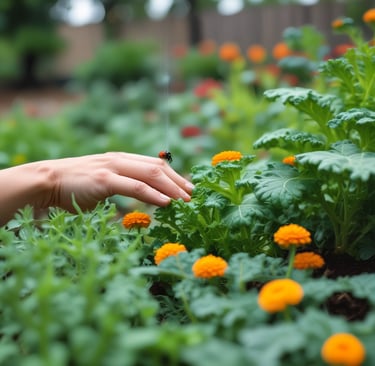
Are you seeking healthier ways to protect your garden without resorting to harsh chemicals? Embracing organic pest control is not only better for your plants and the environment but also entirely achievable with the right knowledge. Natural pest control helps gardeners manage pests organically while preserving soil health and family safety. Shifting to chemical-free pest control is a cornerstone of sustainable gardening pest control, ensuring a thriving ecosystem in your backyard.
DIY Natural Sprays for Immediate Control
One of the most immediate and satisfying approaches to managing garden invaders is through DIY pest control natural sprays. Forget synthetic concoctions; creating homemade pest sprays using readily available ingredients is simpler than you think. For instance, organic insecticide recipes often feature powerful natural compounds like Neem oil for pest control, which disrupts insect growth and feeding. You can also craft a potent Garlic pest spray or a Hot pepper spray for garden use, both acting as excellent deterrents. For broader applications, an Insecticidal soap homemade mixture is great for soft-bodied pests, while a baking soda fungicide can combat powdery mildew. Do not overlook the power of an Essential oil insect repellent using blends like peppermint or rosemary for perimeter protection.
Strategic Trapping for Pest Reduction
Beyond sprays, a strategic deployment of organic pest traps can significantly reduce pest populations. Sticky traps for insects are particularly effective for catching flying pests like whiteflies and fungus gnats, providing visual indicators of pest presence. For ground-dwelling nuisances, simple yet effective Slug and snail traps – often involving shallow dishes of beer – can make a dramatic difference. Inside or near fruit trees, setting up Fruit fly traps natural solutions with apple cider vinegar can prevent major infestations. Larger scale issues might benefit from Pheromone traps for garden, which specifically target male insects, disrupting breeding cycles. Additionally, applying Diatomaceous earth garden grade powder provides a sharp, physical barrier that dehydrates and kills many crawling insects without chemical toxins.
Long-Term Ecological Strategies
For long-term, systemic protection, integrating ecological strategies is key to robust effective organic pest management. Companion planting pest control utilizes specific plant pairings to deter pests or attract beneficial insects. For example, planting pest repellent plants like marigolds or strong-scented herbs can keep unwanted visitors away from vulnerable crops. Actively attracting natural predators to garden spaces, such as ladybugs, lacewings, and parasitic wasps, by providing diverse flowering plants and water sources, is another cornerstone strategy. These beneficial insects for garden function as living pest control. Finally, practicing crop rotation pest prevention helps break pest life cycles and reduces the build-up of specific pests and diseases in the soil, ensuring your garden remains vibrant and productive year after year.
Conclusion
By integrating these diverse organic pest control methods – from targeted natural pest control solutions like homemade sprays and various traps to strategic companion planting and fostering beneficial insects – you can cultivate a healthy, thriving garden environment. Embracing these sustainable gardening pest control techniques ensures not only lush, productive plants but also a safer, more balanced ecosystem for everyone. Start implementing these proven strategies today and watch your garden flourish without relying on harmful chemicals.