Composting 101: Your Beginner's Guide to Turning Waste into Garden Gold with an Easy Compost System
Ready to turn kitchen scraps into "garden gold"? Our Composting 101 guide makes starting easy for beginners. Learn the basics of balancing "greens and browns," choosing the right system for your space, and simple tips to create nutrient-rich soil for a thriving garden.
GARDENING
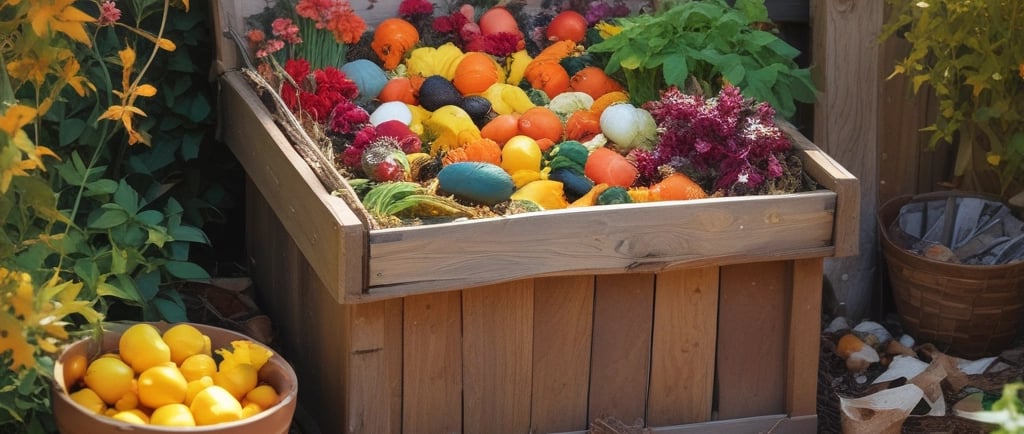
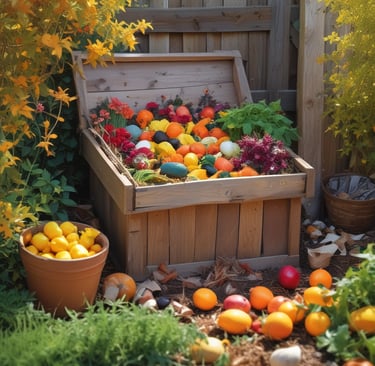
Embarking on the journey of composting for beginners is one of the most rewarding steps you can take for your garden and the planet. If you've ever wondered how to compost effectively, this compost system guide is designed to demystify the process, transforming your understanding of beginner composting into practical skills. Home composting isn't just a trend; it's a powerful way to create nutrient-rich garden compost, unlocking significant composting benefits like turning waste into compost rather than sending it to a landfill. This guide will walk you through the composting basics, making easy composting accessible to everyone.
What to Compost
The foundation of successful composting lies in understanding what to compost. Your compost materials typically fall into two categories: "greens" and "browns." Green waste for compost includes nitrogen-rich items like fresh grass clippings, fruit and vegetable scraps, and coffee grounds, while brown waste for compost consists of carbon-rich materials such as dry leaves, wood chips, shredded paper, and straw. Balancing these components is crucial for a healthy compost pile and ensures optimal decomposition. By actively diverting kitchen waste compost and yard waste compost from your trash, you can significantly reduce food waste and contribute to a more sustainable lifestyle.
Choosing Your Composting Method
Once you know what to include, the next step in our compost guide is choosing a method. There are several types of composting systems, each suited to different needs and spaces. For those with ample outdoor space, a traditional compost pile or a simple compost bin can be ideal for starting a compost pile. You might explore hot composting for quicker results, which requires more active management and turning, or opt for cold composting, a slower, less labor-intensive approach. For smaller spaces or specific waste types, vermicomposting (also known as worm composting) uses red wiggler worms to break down organic matter, while Bokashi composting ferments food waste, including items not typically suitable for traditional piles. Whether you choose DIY compost solutions or invest in some of the best compost bins on the market, the goal is to create an environment where microorganisms can thrive.
Maintaining Your Compost
Maintaining your compost involves a few compost tips to keep the decomposition process running smoothly. Regularly turning your compost pile or bin aerates the material, which is vital for the microorganisms responsible for breaking down the organic matter. Monitoring moisture levels is also key; your compost should feel like a damp sponge, not soaking wet or bone dry. If you encounter issues, don't worry – compost troubleshooting often involves adjusting the green-to-brown ratio, adding moisture, or increasing aeration. Common problems like foul odors or slow decomposition can usually be resolved with these simple adjustments, ensuring your journey from waste to finished product is successful.
The Benefits of Finished Compost
Ultimately, the reward for your efforts is finished compost, often referred to as "black gold." This rich, dark, earthy material is an invaluable resource for your garden. Finished compost uses are incredibly versatile: it can be dug directly into garden beds to improve soil structure, used as a top dressing for existing plants, or mixed into potting soil for containers. The soil enrichment with compost provides essential nutrients, improves drainage in heavy soils, enhances water retention in sandy soils, and suppresses plant diseases. Using compost for garden is a natural, sustainable way to boost plant health and vitality, completing the cycle of turning waste into compost and back into life.
Conclusion
Embracing composting basics is a simple yet profound way to nurture your garden and contribute to environmental well-being. By following this beginner’s compost system guide, you'll soon be transforming your organic waste into a valuable resource, reaping the many composting benefits as you witness your garden thrive. Start your home composting adventure today and discover the magic of garden compost.