
Companion Planting Basics: Your Ultimate Guide to What Grows Well Together – Boost Yields and Repel Pests Naturally
Companion planting is one of the simplest and most effective ways to grow a healthier, more productive garden—naturally. In this ultimate guide, you’ll learn how pairing the right plants together can boost yields, improve soil health, attract beneficial insects, and repel pests without chemicals. Instead of fighting nature, companion planting works with it, turning your garden into a balanced, self-sustaining ecosystem. From beginner-friendly plant pairings to classic techniques like the Three Sisters method, this guide breaks down what grows well together—and what doesn’t. You’ll discover proven companions for popular vegetables like tomatoes, carrots, onions, and squash, along with common mistakes to avoid. Whether you’re growing in raised beds or a backyard plot, companion planting offers a smarter, more organic approach to gardening that leads to stronger plants and bigger harvests season after season.
GARDENING
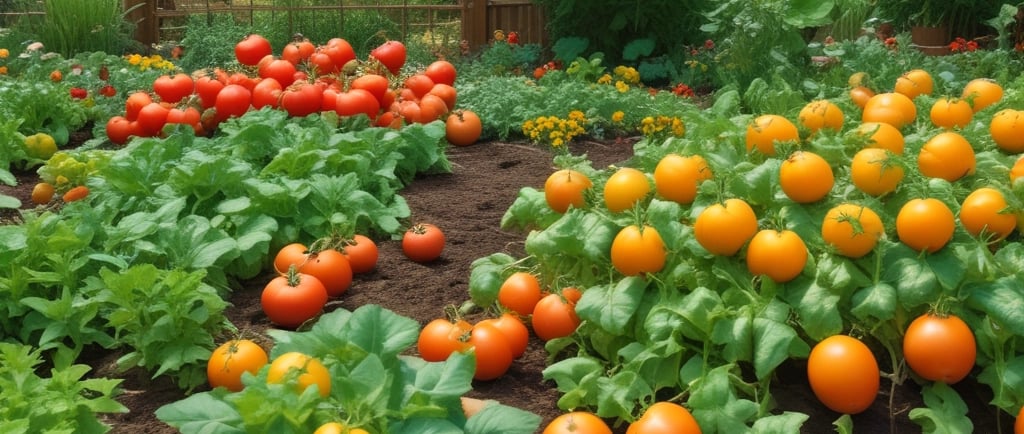
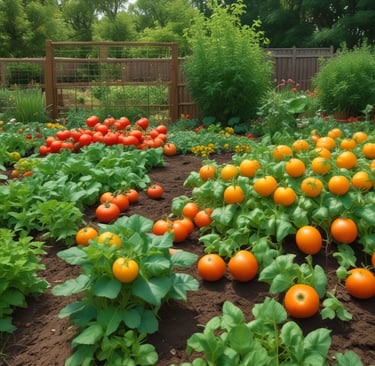
Unlock the secret to a thriving garden with companion planting, an age-old technique that leverages the natural synergy between different plants. This holistic approach to gardening allows you to boost yields companion planting while simultaneously learning how to repel pests naturally gardening, creating a harmonious and productive ecosystem right in your backyard. Moving beyond simple gardening, companion planting transforms your plot into a vibrant, self-sustaining system, proving that what grows well together in a garden isn't just about aesthetics, but about powerful biological interactions.
Benefits of Companion Planting
The myriad companion planting benefits extend far beyond mere pest repulsion. By strategically pairing plants, you can introduce natural pest control plants that deter unwanted visitors, thereby reducing the need for chemical interventions and paving the way for organic pest control companion planting. Moreover, certain plant pairings can significantly improve soil health companion planting by fixing nitrogen or adding organic matter, creating an optimal environment for all residents. This symbiotic relationship also helps to attract beneficial insects gardening, bringing in pollinators and natural predators that keep harmful pest populations in check, ensuring a healthier and more robust garden ecosystem.
Getting Started with Companion Planting
For those just starting, this beginner's guide to companion planting will help you choose the best companion plants for vegetables to maximize your garden's potential. Understanding which species offer mutual benefits is key to seeing a significant increase harvest with companion planting. To get started with some easy companion planting ideas, consider the "Three Sisters" method, a classic example of corn beans squash companion planting, where corn provides a stalk for beans to climb, beans fix nitrogen for the soil, and squash shades the soil, deterring weeds and retaining moisture.
Specific Plant Pairings
Specific pairings can make a world of difference. For instance, understanding tomato companion plants can protect your harvest; planting basil nearby is known to enhance tomato flavor and repel flies and mosquitoes. Marigolds companion planting is another popular strategy, with their roots releasing compounds that deter nematodes and other soil pests, making them excellent garden pest repellent plants for a variety of crops. Similarly, knowing effective carrot companion plants and onion companion plants can protect these root vegetables from common pests like carrot rust fly and onion maggots, ensuring a healthier crop.
What Not to Plant Together
Equally important is knowing bad companion plants and what not to plant together to avoid stunted growth or increased pest problems. For example, members of the brassica family (like broccoli and cabbage) generally don't fare well near strawberries, and fennel can inhibit the growth of many plants. Consulting a reliable companion planting chart or a detailed plants that grow well together chart is an invaluable tool for any gardener, providing a quick reference to ensure you're making beneficial choices and avoiding detrimental ones, ultimately fostering companion planting for higher yields.
Embracing the principles of companion planting is an accessible and rewarding way to enhance your garden's productivity and resilience naturally. By thoughtfully selecting your plant pairings, you're not just planting seeds; you're cultivating a thriving, interconnected ecosystem that thrives with minimal intervention. Start experimenting with these techniques today, and witness firsthand how intelligent planting choices can lead to a more bountiful and beautiful garden, year after year.