
Choosing the Right Wood for Outdoor Projects: Your Ultimate Guide
Choosing the right wood can make or break any outdoor project—from a new deck or garden fence to handcrafted patio furniture. This comprehensive guide simplifies the process by breaking down the most reliable wood options for exterior use, helping you confidently select materials that offer longevity, beauty, and resilience. Discover the key characteristics that define durable outdoor wood, including weather resistance, rot resistance, insect protection, and dimensional stability. You’ll learn the pros and cons of popular choices like pressure-treated lumber, naturally resilient softwoods such as cedar and redwood, and premium hardwoods like teak and ipe—renowned for their unmatched strength and low maintenance needs. This post also explores eco-friendly considerations, including sustainably sourced wood options, so you can build with confidence and conscience. Whether you're working on a small DIY build or a major outdoor renovation, this guide gives you the knowledge to pick the perfect wood that stands strong against the elements and elevates your outdoor space for years to come.
WOODWORKING
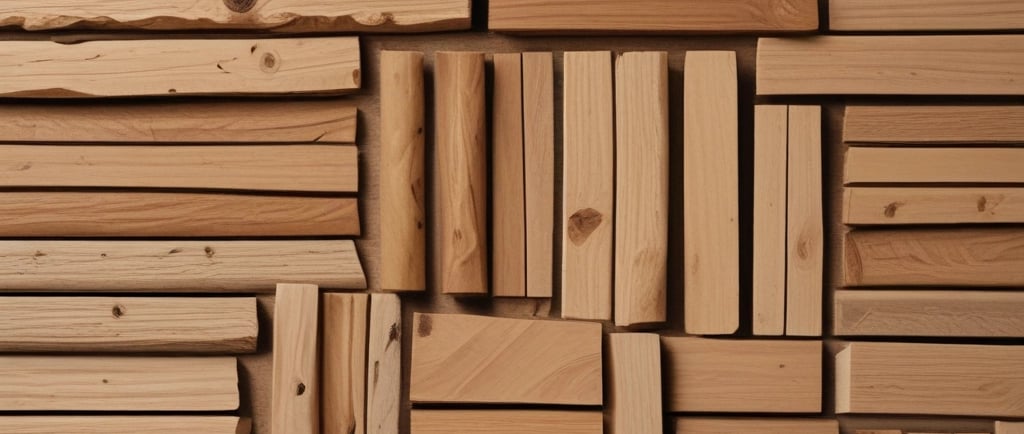
Embarking on an outdoor project, whether it's a sprawling deck, a cozy furniture set, or a sturdy fence, begins with a critical decision: selecting the right material. Navigating the myriad of options for outdoor wood selection can be daunting, but choosing the best wood for outdoor projects is paramount to ensuring longevity and beauty. The goal is to find durable outdoor wood that can withstand the elements, look great, and require minimal upkeep.
Understanding Key Wood Characteristics
When choosing outdoor lumber, understanding key outdoor wood characteristics is essential. You'll want wood that is inherently weather-resistant wood, capable of enduring sun, rain, and temperature fluctuations without significant degradation. Equally important is rot-resistant wood to prevent decay from moisture exposure and insect-resistant wood to deter pests like termites and carpenter ants. Look for species known for their dimensional stability wood, meaning they won't warp, crack, or swell excessively with changes in humidity, ensuring your project remains structurally sound. Many excellent exterior wood types offer these qualities.
Pressure-Treated Wood
Among the most common and cost-effective outdoor wood options is pressure-treated wood. This lumber undergoes a chemical treatment process that infuses it with preservatives, making it highly rot-resistant wood and insect-resistant wood. It's a popular choice for wood for decks and wood for fences due to its affordability and impressive resistance to decay, although it may require regular sealing to maintain its appearance and further enhance its weather-resistant wood properties.
Natural Softwoods: Cedar and Redwood
For those seeking natural beauty and inherent resistance, options like Cedar for outdoor use and Redwood outdoor are highly favored. These softwoods are rich in natural oils wood resistance to decay and insects, providing excellent durability without chemical treatment. Cedar, with its distinctive aroma and warm tones, is perfect for wood for fences and siding, while Redwood's rich color and straight grain make it a premium choice for wood for decks and other exposed structures, often cited as some of the best wood for outdoor projects.
Premium Hardwoods: Teak and Ipe
Moving to the premium end, hardwoods for outdoor use offer unparalleled durability and aesthetic appeal. Teak wood outdoor is globally renowned for its exceptional weather-resistant wood properties, natural oils, and remarkable strength, making it the ultimate wood for outdoor furniture. Similarly, Ipe wood outdoor (often called Brazilian Walnut) boasts extreme hardness, density, and natural resistance to rot, insects, and fire, requiring very low maintenance outdoor wood and lasting for decades, making it ideal for high-traffic decks and demanding applications. Both Teak and Ipe exemplify premium durable outdoor wood.
Considering Environmental Impact
Finally, consider the environmental impact. Many suppliers now offer sustainable outdoor wood options certified by organizations like the Forest Stewardship Council (FSC). This ensures the lumber is harvested responsibly, contributing to healthier forests. Balancing factors like aesthetics, required durability, maintenance, and budget will ultimately guide your decision in choosing outdoor lumber.
Conclusion
Selecting the ideal wood for your outdoor project is an investment in its longevity and beauty. By understanding the unique outdoor wood characteristics of different exterior wood types—from the affordability of pressure-treated lumber to the natural resilience of cedar and redwood, and the ultimate durability of teak and ipe—you can confidently choose the best wood for outdoor projects that perfectly suits your needs and vision. Start planning your next outdoor creation today with the knowledge that your choice of wood will stand the test of time.