Bringing the Buzz Back: How to Create a Pollinator-Friendly Backyard
A garden truly comes alive when it hums, flutters, and buzzes with activity. In this post, you’ll learn how to transform a quiet yard into a thriving pollinator-friendly backyard that supports bees, butterflies, and other essential insects. By shifting the focus from perfect aesthetics to purposeful planting, this guide shows how small, thoughtful choices can create a vibrant habitat that benefits both nature and your garden’s beauty. From the importance of native plants to seasonal bloom planning and simple design techniques, you’ll discover how to build a welcoming bee and butterfly garden that stays active from spring through fall. Whether you’re just starting out or looking to make your garden more eco-friendly, this guide offers practical, heartfelt advice for restoring balance, boosting biodiversity, and bringing the joyful buzz of life back to your outdoor space.
GARDENING
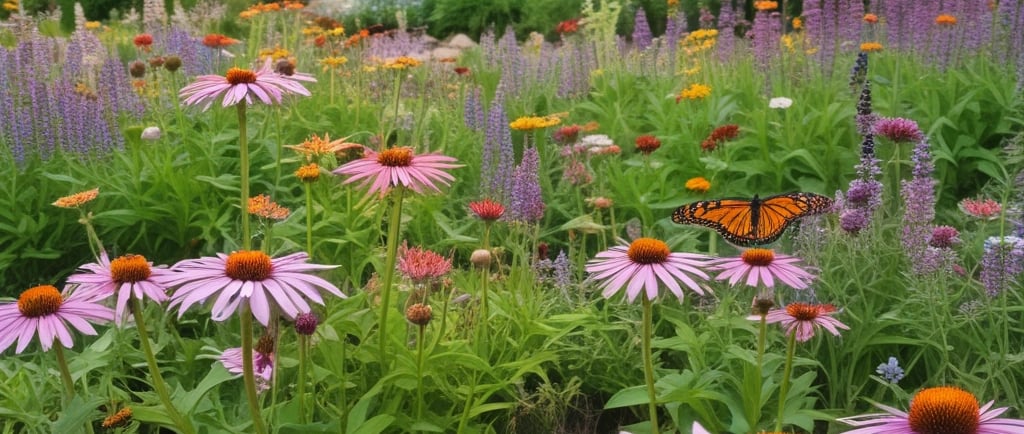
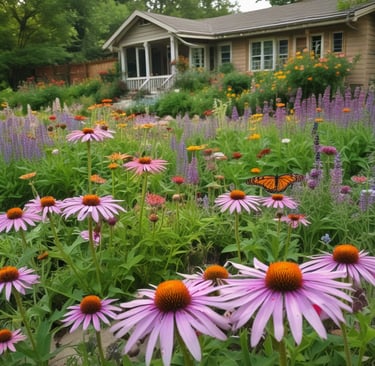
There is a specific kind of magic in a garden that is alive. I don't just mean the plants growing; I mean the movement—the flash of orange wings from a Monarch, the gentle hum of a bumblebee on a sunflower, and the busy work of beetles in the soil.
For a long time, I focused purely on aesthetics. I wanted perfect petals and tidy rows. But I realized my garden was a bit… quiet. That’s when I shifted my focus to creating a pollinator-friendly backyard, and it completely changed the way I interact with my outdoor space. It’s not just a garden anymore; it’s a habitat.
If you are looking to invite these essential little helpers into your space, here is how I turned my yard into a thriving bee and butterfly garden—and how you can too.
Why Focus on Pollinators?
Before we dig into the plant lists, let's talk about why these matters. Pollinators are responsible for one out of every three bites of food we eat. But beyond that, they are the engine of a healthy ecosystem. By choosing plants that attract bees and butterflies, you aren't just making your yard pretty; you are building a fueling station for tired travelers and a home for local wildlife.
The Golden Rule: Go Native
If I could give you only one piece of advice, it would be this: prioritize native plants for pollinators.
Exotic flowers from the nursery might look flashy, but they often don't provide the right nectar or pollen for our local insects. Native plants have evolved alongside these pollinators for thousands of years. They speak the same language. When I swapped out some of my generic annuals for native perennials, the difference in insect activity was almost instant.
My Top Picks: The Best Pollinator Plants
So, what should you put in the ground? While the specific varieties depend on your region, these are generally the heavy lifters that I have found to be the best pollinator plants for a busy, buzzing garden.
1. The Early Bloomers (Spring)
Pollinators are hungry when they wake up from hibernation.
Crocus & Hyacinth: These provide that crucial first meal.
Wild Lilac: A fragrant magnet for early butterflies.
2. The Summer Showstoppers
Purple Coneflower (Echinacea): This is the VIP of my garden. Bees love the center cones, and butterflies perch on the petals.
Milkweed: This is non-negotiable if you want Monarch butterflies. It is the only plant their caterpillars can eat.
Bee Balm (Monarda): True to its name, this plant is constantly covered in bees and hummingbirds.
3. The Late Season Saviors (Fall)
Goldenrod: Often blamed for allergies (that’s ragweed!), Goldenrod is a superfood for bees stocking up for winter.
Asters: These purple and blue beauties bloom late, providing nectar when almost everything else has faded.
Designing Your Bee and Butterfly Garden
It’s not just about what you plant, but how you plant it. Here are a few design tricks I’ve learned:
Plant in Clumps: Bees prefer to visit one type of flower at a time. Planting in clusters of 3, 5, or 7 makes it easier for them to forage efficiently compared to scattering single plants throughout the yard.
Think About Color: Bees are particularly drawn to blue, purple, white, and yellow. Butterflies tend to love bright red, yellow, and orange.
Skip the Chemicals: This is crucial. You cannot have a pollinator-friendly backyard if you are spraying pesticides. I’ve learned to tolerate a few aphids or hole-punched leaves—it’s a sign that my garden is feeding the ecosystem.
A Note on Water
Pollinators get thirsty, too! I added a simple shallow dish filled with pebbles and water to my garden bed. The pebbles give the bees a place to land so they can drink without drowning. It’s a tiny addition that makes a huge difference.
Final Thoughts
Transforming your space into a sanctuary for nature doesn't happen overnight, but every single plant counts. When you plant native plants for pollinators, you are stitching a small patch of the world back together.
So, grab some Coneflower seeds and leave the dandelions alone for a week or two. The bees will thank you.