Best Safety Glasses for Woodworking Projects in 2026: Complete Protection Guide
Discover the best safety glasses for woodworking projects in 2026. Compare top-rated protective eyewear, anti-fog options, and comfortable designs to keep your eyes safe in the shop!
WOODWORKING
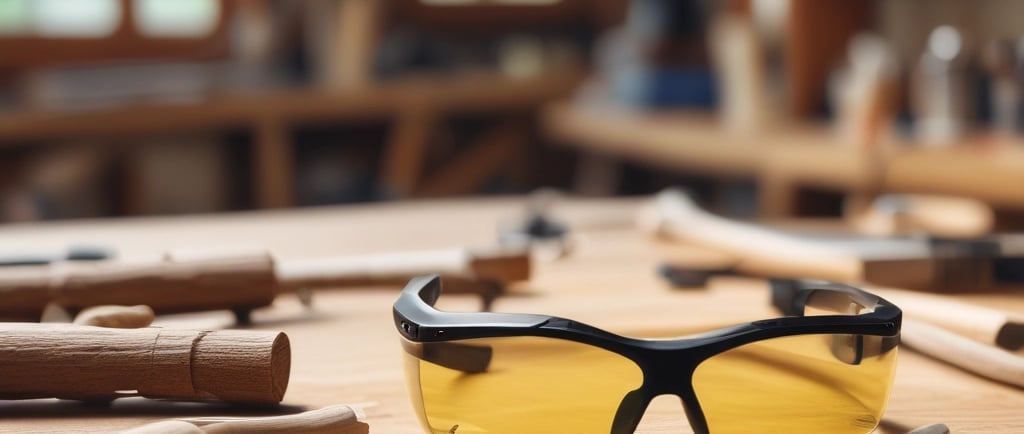
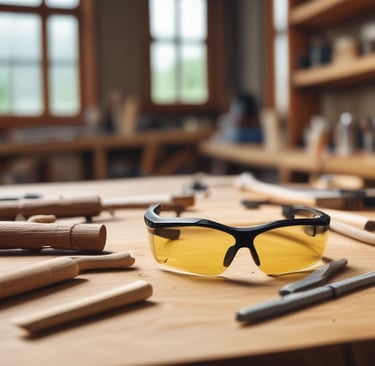
Here's a story that still makes me wince: I was cutting a piece of oak on my miter saw when a wood chip flew up and hit me right in the eye. I wasn't wearing safety glasses because "it's just one quick cut." That one quick cut sent me to urgent care with a scratched cornea and taught me a lesson I'll never forget!
According to the Bureau of Labor Statistics, over 2,000 workplace eye injuries happen every day in the U.S., and woodworking accounts for a significant chunk of those. The kicker? Nearly 90% of those injuries could have been prevented with proper eye protection. That scratched cornea? Completely avoidable if I'd just worn my safety glasses.
After that incident, I became obsessed with eye protection. I tested probably thirty different pairs of safety glasses over the years, looking for ones that actually work without driving me crazy. Because here's the thing—safety glasses only protect you if you actually wear them, and most safety glasses are so uncomfortable, foggy, or annoying that people take them off.
If you're doing any kind of woodworking—hand tools, power tools, finishing work, whatever—you absolutely need quality safety glasses. Not the cheap ones from the dollar store that fog up immediately. Not your old scratched pair that's been sitting in the garage for five years. Actual, quality eye protection that you'll wear consistently because they're comfortable and functional.
In this guide, I'm breaking down the best safety glasses for woodworking in 2026. I've personally worn most of these for hours in the shop, tested them in dusty conditions, and evaluated them on the factors that actually matter—comfort, clarity, fog resistance, and durability. Whether you wear prescription glasses, work in humid conditions, or just need basic protection that doesn't suck, I've got recommendations that'll work for you!
Why Cheap Safety Glasses Are Dangerous (And Why You Need Quality Protection)
I learned this lesson the expensive way, so let me save you the trouble. Cheap safety glasses create a false sense of security that's honestly more dangerous than wearing nothing at all.
My first pair of safety glasses cost $3 at a hardware store. They looked like safety glasses, they had the little Z87 marking stamped on them, so I figured I was protected. Then a piece of wood hit them during a table saw kickback and the lens literally shattered into my face. Luckily most of the shards fell away rather than into my eye, but that was pure luck, not protection.
Here's what I learned: cheap safety glasses cut corners in ways that matter. The plastic is thin and brittle. The impact resistance is minimal—just barely enough to pass basic certification. The optical quality is terrible, causing eye strain and distortion. And worst of all, they're so uncomfortable you won't wear them consistently.
The ANSI Z87.1 standard has two levels. Basic Z87.1 means the glasses passed minimal impact testing—basically a small projectile at low velocity. Z87.1+ (note the plus sign) means high-impact testing with much more rigorous standards. Cheap glasses almost always have just the basic rating, not the plus.
I watched a YouTube video where someone tested cheap vs. expensive safety glasses with a nail gun. The cheap ones failed catastrophically—lens cracking, frame breaking, complete failure. The quality ones with Z87.1+ ratings? The nail bounced off without even scratching the lens. That difference could literally save your eyesight.
Optical clarity matters more than people realize. Cheap safety glasses use low-grade plastic that distorts vision, especially at the edges. This causes eye strain, headaches, and fatigue. After wearing cheap glasses for a few hours, my eyes would hurt and I'd get headaches. With quality glasses, I can work all day without discomfort.
The real cost analysis is stark. An eye injury can cost thousands in medical bills, permanent vision damage, and lost work time. I spent $150 on urgent care for my scratched cornea, plus I couldn't work for three days because my eye was bandaged. A $30 pair of quality safety glasses would have prevented all of that.
But beyond the financial cost, there's the risk of permanent vision loss. Wood splinters, metal fragments, chemical splashes—these can cause blindness. Your eyes don't heal like cuts or bruises. Damage is often permanent. That perspective makes spending $40 on quality safety glasses seem pretty reasonable.
The other danger of cheap glasses is they fog up constantly and people take them off. Fogged lenses are a safety hazard themselves—you can't see what you're doing, which causes accidents. Quality glasses with proper anti-fog coatings and ventilation stay clear, so you actually keep them on.
I've also noticed cheap glasses scratch incredibly easily. After a week in my shop, the lenses were so scratched I could barely see through them. Scratched lenses force you to look around the scratches, which defeats the purpose of eye protection and causes more eye strain.
The bottom line? Cheap safety glasses are penny-wise and pound-foolish. They seem like a good deal until they fail when you need them most. Spend the $25-50 for quality protection and actually protect your eyes instead of just checking a box.
Understanding Safety Glasses Standards and Ratings
Safety glasses have all these markings and numbers stamped on them, and I had no idea what any of it meant for years. Let me decode the important stuff so you know what you're buying.
ANSI Z87.1 - The Foundation:
This is the American National Standards Institute standard for eye protection. If glasses don't have this marking, they're not actually safety glasses regardless of what the package says.
The basic Z87.1 marking means the glasses passed impact testing with a 1-inch steel ball dropped from 50 inches. Sounds impressive until you realize that's minimal protection—basically just preventing the cheapest junk from being sold as safety glasses.
ANSI Z87.1+ - What You Actually Want:
The plus sign makes all the difference. Z87.1+ means high-velocity impact testing—a 1/4-inch steel ball shot at 150 feet per second. This simulates real-world scenarios like debris from power tools or projectiles from kickbacks.
I only buy Z87.1+ rated glasses now. The difference in protection is massive, and the price difference is usually only $10-15. Totally worth it for actual safety rather than minimal compliance.
The Markings on Your Glasses:
Look on the temple or frame of safety glasses. You should see "Z87+" or "Z87.1+" stamped or printed. You might also see the manufacturer's mark and sometimes a "U" for UV protection or "S" for special tint.
If the markings are just stickers that can peel off, be suspicious. Legitimate safety glasses have permanent markings molded or stamped into the frame.
UV Protection - Often Overlooked:
Quality safety glasses block 99.9% of UV radiation. This matters even indoors because some shop lights emit UV, and obviously outdoor work requires UV protection.
The "U" marking or a "U-scale" rating indicates UV protection. Most quality safety glasses include this, but cheap ones often skip it.
Anti-Fog and Anti-Scratch Standards:
These aren't ANSI-standardized unfortunately, which means manufacturers can claim "anti-fog coating" with basically any treatment that technically reduces fogging slightly.
Look for specific coating types like "permanent anti-fog" or brand names you recognize. Generic "anti-fog" claims on cheap glasses usually mean they sprayed something on that wears off after a few uses.
CSA Z94.3 - Canadian Standard:
If you're in Canada or buying Canadian-market glasses, this is the equivalent standard. Similar testing protocols to ANSI with minor variations.
European EN166 Standard:
European safety glasses meet EN166, which is roughly equivalent to ANSI Z87.1+. If buying imported glasses, this certification is legitimate.
What Standards DON'T Cover:
Comfort, optical clarity, durability beyond initial testing, and long-term coating performance aren't standardized. This is why two pairs of Z87.1+ glasses can feel completely different—one pair might be comfortable all day while the other gives you headaches.
Standards ensure minimum safety, not maximum quality. You need both the proper safety certification AND good design, materials, and construction.
How to Verify Legitimate Certification:
Buy from reputable retailers, not random Amazon sellers. Check for permanent markings, not stickers. Look up the manufacturer to verify they're a legitimate safety equipment company.
I once bought "safety glasses" from a sketchy online seller that had Z87+ stickers that peeled off immediately. Those weren't real safety glasses, just cheap sunglasses with fake certification stickers. Lesson learned—stick with known brands and retailers.
Understanding these standards helps you make informed choices instead of just grabbing whatever's cheapest or looks coolest. Your eyes deserve proper protection backed by real testing and certification!
Top 12 Best Safety Glasses for Woodworking (2026 Reviews)
Alright, let's get into the actual safety glasses worth your money and your trust. I've worn all of these extensively in real workshop conditions, not just tried them on in a store.
1. 3M Virtua CCS Protective Eyewear - $8
I know I just spent time bashing cheap safety glasses, but these are the exception that proves quality doesn't always require high prices. At under ten bucks, the 3M Virtua CCS punches way above its weight class.
They're ANSI Z87.1+ certified with polycarbonate lenses that are surprisingly clear. The CCS (Cord Control System) means they have little grooves in the temples that hold eyewear retainer cords securely. The wrap-around design provides good side protection.
I've worn these for hundreds of hours and they're shockingly comfortable for the price. The temples are lightweight and the nose bridge doesn't create pressure points. They do fog more than premium options, but for $8, I can't complain much.
Downsides? The anti-scratch coating is minimal—mine are pretty scratched after a year of use. The anti-fog is basically nonexistent. And they're not great for wearing over prescription glasses. But as basic, affordable protection for people with good vision, these are hard to beat.
2. Dewalt DPG82-11/DPG82-11CTR Concealer Safety Glasses - $12
These are my most-recommended glasses for beginners and budget-conscious woodworkers. Dewalt makes solid tools, and their safety glasses are equally well-designed.
The rubber-tipped temples are comfortable and don't slip. The wraparound lens provides excellent coverage including good peripheral protection. The clear lens has surprisingly good optical quality with minimal distortion.
I like that they come in different tint options (clear, smoke, indoor/outdoor). The anti-fog coating works decently—not perfect but better than basic glasses. They're ANSI Z87.1+ certified and feel solid.
I've owned three pairs of these over the years, replacing them as they get scratched. At $12, they're cheap enough to replace regularly but good enough to trust. They're also compatible with most earmuffs, which cheaper glasses often aren't.
3. Pyramex Isotope Safety Glasses - $18
These are probably the best value in safety glasses period. The lens clarity is exceptional for the price—almost no distortion even at the edges. The anti-fog coating actually works, which is rare in this price range.
The H2MAX anti-fog technology is permanently bonded to the lens, not just sprayed on. I've worn these in humid summer workshops and they stay remarkably clear. The scratch-resistant coating also holds up better than most budget options.
Comfort is excellent with soft rubber temple tips and a lightweight design. I can wear these all day without the headaches I get from heavier glasses. The nose piece is also comfortable and doesn't leave marks.
The wrap design provides good side protection, and they're slim enough to wear with earmuffs or a respirator. ANSI Z87.1+ certified with 99% UV protection.
My only complaint is they're not great for wearing over prescription glasses—too narrow for that. But for non-prescription wearers, these are my top recommendation.
4. 3M SecureFit 400 Series - $15
3M's SecureFit technology uses flexible temples that adapt to different head sizes without creating pressure points. This sounds like marketing but it actually works. I have a larger-than-average head and most safety glasses pinch my temples. These don't.
The self-adjusting design means they fit securely without being tight. They don't slide down my nose during work, which is a constant problem with other glasses. The pressure diffusion temple technology really does reduce the pressure points that cause headaches.
Optical clarity is excellent with minimal distortion. The Scotchgard anti-fog coating works better than most—not perfect in really humid conditions, but way better than average. The lenses have good scratch resistance too.
Multiple lens colors available (clear, gray, indoor/outdoor). The wraparound design provides comprehensive coverage. ANSI Z87.1+ rated with 99.9% UV protection.
These are my go-to glasses for long shop sessions. The comfort factor makes them glasses I actually keep wearing instead of taking off when they get annoying.
5. NoCry Safety Glasses with Anti-Fog Coating - $16
NoCry specializes in safety equipment, and their glasses show that focus. The anti-fog coating is among the best I've tested—even in hot, humid conditions, these stay remarkably clear.
The wraparound design is more extreme than some glasses, providing excellent side and top protection. This makes them great for overhead work or situations with debris coming from multiple angles.
The optical quality is very good with minimal distortion. The lenses are surprisingly scratch-resistant—I've had a pair for two years and they're still relatively clear despite daily use.
Comfort is good but not amazing. They're slightly heavier than some options, and the nose piece can create pressure during very long wear (3+ hours). But for most shop sessions, they're totally comfortable.
Available in clear, tinted, and multi-pack options. ANSI Z87.1+ certified. They also come with a carrying case and cleaning cloth, which is a nice touch.
6. Uvex Stealth OTG Safety Goggles - $22
If you wear prescription glasses, these are game-changers. The "OTG" (over-the-glasses) design actually fits comfortably over most prescription frames without feeling like you're wearing a helmet.
The goggle design provides full seal protection, which is overkill for most woodworking but perfect for sanding or finishing where you want complete dust protection. The indirect ventilation prevents fogging while keeping dust out.
The Uvex coating system (Uvextreme anti-fog plus anti-scratch) is outstanding. These stay clear in conditions that fog every other pair I own. The optical quality through both the goggle and your prescription glasses is better than expected.
Comfort is the trade-off. They're bulkier than regular safety glasses and feel more restrictive. I only wear these for sanding or finishing, not general shop work. But for those applications, they're perfect.
They accommodate over-ear hearing protection well. The strap keeps them secure even during vigorous activity. ANSI Z87.1+ certified with D3 and D4 ratings for dust protection.
7. Bolle Rush+ Safety Glasses - $24
These are premium glasses without the premium price. Bolle is a respected name in protective eyewear, and the Rush+ model shows their expertise.
The platinum anti-fog coating is seriously impressive—better than anything else in this price range. The anti-scratch coating is equally good. After a year of use, my lenses still look nearly new.
The wraparound design is sleek and provides excellent coverage. The temples are adjustable for angle, which helps get a perfect fit. The nose piece is also adjustable—features usually reserved for more expensive glasses.
Optical clarity is excellent with minimal distortion even at the extreme edges. The polycarbonate lens is optically clear and doesn't have the yellowish tint some cheaper lenses have.
Comfort is very good for all-day wear. Lightweight, well-balanced, no pressure points. They also look less dorky than most safety glasses, which matters if you care about that.
Multiple lens tints available. ANSI Z87.1+ certified with UV protection. These are my "nice" safety glasses I use when I want maximum comfort and performance.
8. Dewalt DPG54-1D Protector Safety Glasses - $10
Another Dewalt option, this time their even-more-budget line. The Protector series is bare-bones basic but gets the job done.
They're ANSI Z87.1+ certified with polycarbonate lenses. The wraparound design provides decent coverage. The rubber temple tips are comfortable. That's about it for features, but sometimes simple is good.
I keep several pairs of these around the shop as "loaners" for when friends help with projects. They're cheap enough I don't worry about someone losing or breaking them.
The anti-fog is minimal and they scratch easier than premium options. But for $10, they're functional protection that meets safety standards. Sometimes that's all you need.
9. Gateway Safety Metro Safety Glasses - $13
These have a more modern, stylish design than typical safety glasses. If you're self-conscious about looking dorky in safety glasses, these are less obvious.
The lens is a single shield style rather than individual lenses, providing unobstructed peripheral vision. The optical clarity is good with no distortion in the central viewing area.
Comfort is excellent—very lightweight and balanced. The dual-injected rubber temples grip without pressure. I've worn these for 4+ hour sessions without discomfort.
The anti-fog coating is okay but not amazing. The scratch resistance is average. But the comfort and style make up for these limitations for many people.
ANSI Z87.1+ certified. Available in several lens tints. Good compatibility with earmuffs and other PPE.
10. Pyramex V2G Safety Glasses/Goggles - $16
These hybrid glasses/goggles are my favorite for dusty work like sanding. The foam seal keeps dust out while ventilation ports prevent fogging.
The dual-pane lens with anti-fog coating works incredibly well. I've never had these fog, even in humid conditions doing vigorous sanding that has me sweating.
They convert between glasses (with temples) and goggles (with elastic strap), though I mostly use them as goggles. The strap keeps them secure during active work.
The foam seal is comfortable and creates a good seal without feeling restrictive. Optical clarity is good, though the dual-pane design creates slight distortion at certain angles.
ANSI Z87.1+ certified with D3 dust protection rating. These are overkill for general woodworking but perfect for sanding, routing, or any operation that creates lots of fine dust.
11. Radians Rad-Atac Safety Glasses - $20
These have unique features like foam inserts for additional comfort and dust protection. The foam is removable, so you can use them as regular glasses or add the foam for dusty conditions.
The ratcheting temples allow precise adjustment for fit. I appreciate this because I can dial in exactly the right tension—secure without being tight.
The ventilation design includes channels that promote air flow while the foam seals out dust. This combination works better than I expected, preventing fogging while blocking debris.
Optical quality is very good. The anti-fog coating is effective. Scratch resistance is above average. Build quality feels solid and durable.
They're bulkier than regular safety glasses, so they feel more substantial. Some people prefer this feeling of protection; others find it restrictive. Personal preference really.
ANSI Z87.1+ certified with multiple lens tint options. Good choice if you want versatility between regular glasses and near-goggle protection.
12. Wiley X Saber Advanced Safety Glasses - $85
These are serious, military-grade eye protection that exceed even the high-impact standards. Overkill for most woodworking? Absolutely. But if you want the absolute best protection money can buy, these are it.
They meet military ballistic standards (MIL-PRF-32432) which are way beyond ANSI Z87.1+. The lenses are optically correct to prevent distortion. The Selenite coating provides extreme scratch and fog resistance.
The fit system is highly adjustable—temple length, angle, nose piece position. You can customize these to fit perfectly. The build quality is exceptional—these are designed for combat use, so shop conditions are nothing.
The optical clarity is the best I've experienced in safety glasses. Looking through these is like looking through nothing—zero distortion, perfect clarity.
Are they worth $85 for woodworking? Probably not for most people. But if you do dangerous operations regularly, want absolute best-in-class protection, or just appreciate premium equipment, they're outstanding.
Multiple lens options including prescription inserts. Comes with a hard case and accessories. These are buy-it-for-life glasses if you maintain them.
Each of these serves different needs and budgets. The Pyramex Isotope or 3M SecureFit are my general recommendations for most woodworkers. The Uvex Stealth if you wear prescription glasses. The Wiley X if money is no object and you want the absolute best.
Don't overthink it though—any ANSI Z87.1+ certified glasses from a reputable brand will protect you. The key is finding ones comfortable enough that you actually wear them consistently!
Best Safety Glasses for People Who Wear Prescription Glasses
This is where safety glasses get really frustrating if you don't know your options. I wear prescription glasses, and finding comfortable, functional eye protection took years of trial and error.
The Three Main Options:
You've got three paths: wear over-the-glasses (OTG) safety glasses, get prescription safety glasses, or use safety glasses with prescription inserts. Each has pros and cons.
Over-the-Glasses (OTG) Safety Glasses:
These are designed large enough to fit over most prescription frames. The Uvex Stealth I mentioned earlier are my top pick for OTG protection.
The advantages are cost (usually $20-30) and you can use them with different prescription glasses as your prescription changes. The disadvantages are bulk, potential fogging between the two layers of lenses, and sometimes awkward fit.
I've tried probably ten different OTG models. Most are uncomfortable—they press your prescription glasses into your face, create pressure on your temples, or sit too far from your eyes creating blind spots.
The Uvex Stealth work because they're actually designed well for OTG use rather than just being oversized regular safety glasses. The indirect ventilation helps with the double-layer fogging issue.
3M Nuvo Safety Glasses ($25) are another good OTG option. They're less bulky than goggles but still accommodate most prescription frames. The ventilation is better than most OTG glasses, reducing fogging.
Crews Yukon Safety Glasses ($18) are budget OTG glasses that work okay. Not as comfortable as the Uvex or 3M options, but functional if you're on a tight budget.
The key with OTG glasses is trying them with YOUR prescription glasses. Frames vary in size, so what fits over Fog Treatment Maintenance:**
Anti-fog coatings degrade over time and need refreshing, even permanent coatings benefit from supplemental treatment.
I apply Cat Crap anti-fog gel about once a month:
Clean lenses thoroughly first
Apply tiny amount of gel to each lens
Spread evenly with finger
Let dry completely (looks hazy)
Buff gently with microfiber cloth until clear
This 3-minute process keeps my glasses fog-free even in humid conditions. Without regular reapplication, I notice fogging increases gradually.
Proper Storage:
Loose storage causes most damage to safety glasses. Throwing them in a drawer or on a shelf where they contact tools and debris scratches lenses quickly.
I use hard cases for my good safety glasses. The Pyramex and Bolle glasses I own live in protective cases when not in use. Costs $5-10 for a case, saves $30+ glasses from damage.
For cheaper backup glasses, I use a dedicated drawer with a soft liner. The glasses don't touch anything hard and they're protected from shop dust.
Hanging storage works well too. Some people mount hooks or pegboard holders for safety glasses. Keeps them accessible and protected.
Never store safety glasses:
Lens-down on hard surfaces (scratches)
In direct sunlight (degrades plastics and coatings)
In extremely hot locations (warps frames)
Where they can get stepped on or crushed
Loose in toolboxes with other tools
When to Replace Safety Glasses:
Safety glasses don't last forever. Replace them when:
Scratches impair vision - If you're looking around scratches instead of through clear lenses, replace them. Scratched lenses also have reduced impact resistance.
Frames crack or break - Even small cracks compromise structural integrity. The glasses might fail during an impact.
Coatings deteriorate - When anti-fog and anti-scratch coatings wear off completely, the glasses lose significant functionality.
After an impact - If safety glasses take a significant impact (stopping debris from hitting your eyes), replace them even if they look fine. The impact may have compromised structural integrity in ways you can't see.
Generally every 1-2 years - Even with perfect care, materials degrade. Plastics become brittle, coatings wear thin, elastic loses memory. Replace periodically regardless of visible condition.
I replace my primary safety glasses annually. They cost $20-40, and my eyesight is worth way more than that. Backup glasses get replaced when they're noticeably degraded.
Extending Lifespan:
Clean properly every time (prevents scratches)
Store in cases (prevents damage)
Apply anti-fog treatment regularly (maintains coating)
Avoid extreme temperatures (prevents material degradation)
Have backup pairs so primary glasses get less wear
Handle gently (don't toss them around)
My Bolle Rush+ glasses are three years old and still functional because I've maintained them properly. The lenses have minor scratches but vision is still clear. I'll replace them this year as preventive maintenance, not because they've failed.
Dealing with Minor Damage:
Light scratches: Nothing fixes them, but paste wax application can make them less visible temporarily. Not a permanent solution.
Loose screws: Tighten with small screwdriver. Apply tiny drop of threadlocker to prevent future loosening. Some glasses have screwless frames that don't have this issue.
Bent frames: Carefully bend back to shape. Plastic frames can be warmed slightly (warm water, not heat gun) to make them more pliable for adjustment.
Lost nose pads: Replacement nose pads are available online for many models. Usually $3-5 for a pair.
Coating degradation: Can't be fixed. You can add supplemental anti-fog/anti-scratch treatments but you can't restore original coatings.
Honestly, for most damage beyond very minor issues, replacement makes more sense than repair. Safety glasses are relatively inexpensive, and compromised protection isn't worth the few dollars saved.
Creating a Cleaning Station:
I keep a small cleaning station in my shop:
Spray bottle of lens cleaner
Stack of microfiber cloths (washed regularly)
Small container of Cat Crap anti-fog gel
Small brush for removing sawdust from frames
Takes up maybe 6 inches of shelf space and makes regular maintenance easy. If cleaning is convenient, you'll actually do it!
Proper care isn't complicated or time-consuming. Spend 2 minutes per week cleaning properly and your safety glasses will last years instead of months!
Budget vs. Premium Safety Glasses: Is Expensive Worth It?
I've owned safety glasses ranging from $3 to $85. Let me break down what you actually get at different price points and whether premium glasses justify their cost.
Budget Safety Glasses ($5-15):
These meet minimum safety standards and provide basic protection. The 3M Virtua CCS at $8 and Dewalt Protector at $10 are the best in this range.
What you get:
ANSI Z87.1+ certification (if you choose wisely)
Basic polycarbonate lenses
Minimal anti-fog coating (often just spray-on that wears off quickly)
Basic scratch resistance (they'll scratch within weeks)
Acceptable optical clarity in the center (edge distortion common)
Basic comfort (no adjustment, generic fit)
What you don't get:
Permanent anti-fog coatings
Excellent scratch resistance
Perfect optical clarity
Customizable fit
Long lifespan (6-12 months typically)
Premium materials
I've used budget glasses extensively. They work fine for occasional woodworking or as backup pairs. If you only work in the shop a few hours per month, budget glasses are adequate.
Mid-Range Safety Glasses ($15-35):
This is the sweet spot for most woodworkers. The Pyramex Isotope ($18), 3M SecureFit ($15), and Bolle Rush+ ($24) all fall here.
What you get:
ANSI Z87.1+ certification standard
Better optical quality with less distortion
Permanent or long-lasting anti-fog coatings
Good scratch resistance (lasting 1-2+ years)
Some adjustability (varies by model)
Better comfort for extended wear
Higher quality materials and construction
Lifespan of 2-3 years with proper care
The upgrade from budget to mid-range:
Anti-fog performance improves dramatically
Comfort allows all-day wear without headaches
Lenses stay clear and usable much longer
Better peripheral protection with wraparound designs
I recommend most woodworkers buy in this range. The performance improvement over budget glasses is massive, but the cost is still reasonable.
Premium Safety Glasses ($35-100+):
High-end options like the Wiley X Saber ($85) or prescription safety glasses ($100-200) occupy this tier.
What you get:
Exceptional optical quality (minimal to zero distortion)
Military-spec impact resistance (beyond Z87.1+)
Excellent anti-fog and anti-scratch coatings
Full adjustability for perfect fit
Premium materials (TR-90 frames, high-grade polycarbonate)
Lifetime-quality construction
Specialty features (photochromic lenses, prescription inserts)
Lifespan of 5+ years potentially
Are they worth it?
For hobbyist woodworkers, probably not. The performance improvement from mid-range to premium is much smaller than the improvement from budget to mid-range.
For professional woodworkers wearing safety glasses 40+ hours per week, premium glasses make sense. The comfort and durability justify the cost over years of daily use.
For people with specific needs (prescription lenses, extreme conditions, professional requirements), premium glasses solve problems budget and mid-range can't.
My Durability Testing:
I've tracked the lifespan of glasses at different price points:
$5-10 glasses: Average 6 months before lenses are too scratched to use comfortably or frames break. Cost per month: ~$1.20
$15-25 glasses: Average 18-24 months before needing replacement. Cost per month: ~$0.80
$40-60 glasses: Haven't needed replacement yet after 3+ years (lenses have minor scratches but still functional). Cost per month so far: ~$0.60 and dropping
The mid-range glasses are actually MORE economical long-term despite higher upfront cost. And that's not accounting for the superior comfort and performance during their lifespan.
Comfort Differences:
I wore budget safety glasses and premium safety glasses for identical 4-hour shop sessions to compare comfort directly.
Budget glasses ($8 Dewalt):
Pressure headache after 2 hours
Needed adjustment every 20-30 minutes
Fogging required cleaning 3 times
Wanted to take them off multiple times
Premium glasses (3M SecureFit):
No headache
Stayed in position without adjustment
Minimal fogging, one cleaning
Forgot I was wearing them most of the time
The comfort difference alone justifies paying more for me. I actually wear the comfortable glasses consistently, which means they actually protect me.
Optical Quality Comparison:
I tested edge distortion by looking at straight lines through different portions of the lenses:
Budget glasses: Noticeable curve/distortion at lens edges, making peripheral vision slightly disorienting
Mid-range glasses: Minor distortion at extreme edges only, negligible in normal use
Premium glasses: Essentially zero distortion anywhere in the lens
For precision work where visual clarity matters, better optics reduce eye strain and improve work quality.
When Budget Makes Sense:
You're trying woodworking to see if you like it (don't invest heavily yet)
You need backup/loaner glasses for occasional helpers
You work in conditions that destroy glasses quickly (budget pairs are disposable)
You truly can't afford more (some protection beats no protection)
When Mid-Range Makes Sense:
You woodwork regularly (multiple times per month)
You value comfort for extended wear
You want glasses that last years, not months
You're committed to the hobby and good tools
This is the recommendation for 80% of woodworkers
When Premium Makes Sense:
You're a professional working daily
You have specific needs (prescription, extreme conditions)
You appreciate premium tools and can afford them
You want buy-it-for-life quality
You've tried mid-range and want even better
My Personal Buying Strategy:
I own premium glasses (Bolle Rush+, $24) as my primary pair for regular shop work. I own mid-range glasses (Pyramex Isotope, $18) as my secondary pair. I keep budget glasses (3M Virtua, $8) as loaners and for messy work where I might destroy them.
This three-tier approach gives me the right tool for each situation without overspending or under-protecting.
The Bottom Line:
The $15-30 range offers the best value for most woodworkers. You get 80% of premium performance for 30% of the cost. Budget glasses save money upfront but cost more long-term through frequent replacement and reduced protection/comfort.
Don't cheap out on eye protection, but you also don't need to spend $100+ unless you have specific needs that justify it. Find the middle ground that balances protection, comfort, durability, and cost!
Safety Glasses Accessories Worth Having
Safety glasses work better with the right accessories. Here's what's actually useful versus what's just extra stuff to buy.
Microfiber Cleaning Cloths - Essential:
You cannot properly clean safety glasses without these. Paper towels and shirts scratch lenses. Microfiber is soft enough to clean without damage.
I buy cheap multi-packs on Amazon—maybe $8 for 20 cloths. Keep several in the shop, wash them regularly, replace when they get too dirty or worn.
One cloth lives in my safety glasses case. Another stays at my cleaning station. A few spares in a drawer. Always have clean cloths available.
Anti-Fog Spray/Gel - Highly Recommended:
Even glasses with anti-fog coatings benefit from supplemental treatment. Cat Crap, Foggle, or similar products make massive differences.
I mentioned Cat Crap already, but it's worth repeating. $8 for a container that lasts 6-12 months. Single best accessory investment for problem fogging.
Apply monthly or when you notice fogging increasing. Takes 2 minutes, eliminates frustration.
Lens Cleaning Spray - Useful:
Dedicated lens cleaner is better than soap and water for quick cleaning. Keep a spray bottle in the shop for mid-project cleaning.
I use generic lens cleaner from the drugstore—maybe $5 for a bottle that lasts a year. Works fine, no need for expensive specialty formulas.
Spray generously, wipe with microfiber cloth. Prevents the scratching that happens when you wipe dry lenses.
Retainer Straps - Situational:
Straps keep glasses secure during vigorous activity or when bending over frequently. Useful for some people, unnecessary for others.
I don't use straps because properly fitted glasses stay put. But friends who do a lot of overhead work or physically demanding projects swear by them.
Cheap retainer straps cost $3-5. Try them if your glasses slide or fall off regularly.
Protective Cases - Recommended:
Cases protect glasses during storage and transport. Prevents scratches, crushing, and dust accumulation.
Hard cases ($5-10) offer best protection. Soft pouches ($2-3) are better than nothing but don't prevent crushing.
I use hard cases for my good glasses, soft pouches for backup pairs. The protection is worth the small investment.
Replacement Parts - Good to Have:
Some glasses have replaceable nose pads, temple tips, or even lenses. Having spares extends the life of otherwise good glasses.
I keep replacement nose pads for my Bolle Rush+ glasses. The pads wear out before the glasses do, and $4 for new pads beats $24 for entirely new glasses.
Replacement lenses for high-end glasses can be cost-effective. The Wiley X Saber lenses cost $30-40 to replace versus $85 for new glasses.
Lens Cleaning Station - Nice to Have:
I mentioned this before, but having a dedicated cleaning area with all your supplies organized makes regular maintenance more likely.
A small shelf or drawer with:
Lens cleaner spray
Stack of microfiber cloths
Anti-fog gel
Small brush for frame cleaning
Spare cases
Total cost maybe $20-30 to set up, makes cleaning convenient so you actually do it.
Multi-Pair Storage Solutions - Optional:
If you own multiple pairs of safety glasses, wall-mounted storage keeps them organized and protected.
I use a small pegboard section with hooks for my three pairs. Keeps them accessible, visible, and protected from drawer clutter.
Some people use drawer organizers or wall-mounted plastic bins. Whatever keeps glasses organized and prevents damage.
Accessories NOT Worth Buying:
Fancy lens wipes: Microfiber cloths work just as well for way less money. Pre-moistened wipes are wasteful and expensive.
Expensive cleaning solutions: Generic lens cleaner or even mild dish soap work fine. No need for $15 "professional" formulas.
Decorative cases: Your glasses don't need designer cases. Function over fashion.
UV test lights: These supposedly verify UV protection. Unless you're paranoid, trust the manufacturer's specs.
Multiple sets of everything: One good cleaning setup is enough. Don't accumulate redundant accessories.
Heated lens systems (for most people): Overkill unless you work in truly extreme cold. Anti-fog products work for normal conditions.
My Accessory Spending:
Essential accessories I own:
Microfiber cloths: $8 for 20-pack
Cat Crap anti-fog: $8
Lens cleaner spray: $5
Hard cases for good glasses: $15 total
Soft pouches for backup glasses: $6 total
Total investment: Under $45 for accessories that maintain $100+ worth of safety glasses and make them way more functional.
That's reasonable spending for significantly better eye protection and comfort!
The Practical Approach:
Start with just cleaning cloths and basic case storage. Add anti-fog treatment if fogging is a problem. Add other accessories only when you identify specific needs.
Don't buy accessories "just in case." Buy them when you have an actual problem they solve.
The goal is functional eye protection, not accumulating gear. Buy the minimum accessories that make your safety glasses work well and last longer!
Safety Glasses FAQs for Woodworkers
Let me answer the most common questions I get about safety glasses from fellow woodworkers.
Do I really need safety glasses for hand tool woodworking?
Yes, absolutely. I resisted this for years and got a chisel splinter in my eye that taught me otherwise.
Hand tools create slower projectiles than power tools, but they're often used with your face inches from the work. Chisels slip and send splinters flying. Saws throw chips. Planes eject shavings that can hit your eyes.
The injury risk is lower than power tools but definitely not zero. And it only takes one injury to cause permanent damage.
I wear safety glasses for all woodworking now, hand tools included. They're so comfortable I forget I'm wearing them, so there's no reason not to.
Can I use regular sunglasses instead of safety glasses?
Absolutely not. Regular sunglasses aren't impact-rated and will shatter when hit by debris. They create a false sense of security while providing essentially no protection.
I've seen regular glasses shatter from minor impacts that safety glasses handle easily. The fragments can actually cause additional eye injuries.
Only wear ANSI Z87.1+ certified safety eyewear in the workshop. Regular glasses and sunglasses don't qualify.
How often should I replace my safety glasses?
Replace them when:
Lenses are scratched enough to impair vision
Frames crack or break
After they take a significant impact
Coatings degrade noticeably
Generally every 1-2 years as preventive maintenance
I replace my primary safety glasses annually even if they look fine. Materials degrade invisibly over time, and my eyesight is worth the $20-40 replacement cost.
Backup glasses get replaced when they're visibly degraded or damaged.
What's the difference between safety glasses and safety goggles?
Glasses have open sides and rest on your face like regular eyewear. Goggles seal completely around your eyes with foam or rubber and usually have a strap.
Glasses provide good protection for most woodworking. They're comfortable, don't fog as easily, and work with other PPE.
Goggles provide complete dust sealing and higher impact protection. Use them for sanding, finishing, or operations with lots of fine airborne particles.
I use glasses for 90% of woodworking and goggles specifically for powered sanding and spray finishing.
Can safety glasses prevent all eye injuries?
No protective equipment is 100% effective, but proper safety glasses prevent the vast majority of woodworking eye injuries.
They protect against:
Flying debris and wood chips
Sawdust and fine particles
Chemical splashes from finishes
Most impacts from projectiles
They don't protect against:
Injuries from taking them off (the most common failure)
Extreme impacts beyond their rating (very rare in woodworking)
Injuries from debris entering around the edges (rare with wraparound designs)
Wear them consistently and they'll protect you from 95%+ of potential eye injuries.
Should I get clear or tinted safety glasses?
Clear for indoor work. Tinted for outdoor work or very bright shop conditions.
I own both. Clear glasses for my regular indoor shop. Smoke-tinted glasses for outdoor projects or when working in bright sunlight.
Tinted glasses are terrible for indoor work in normal lighting—everything looks dim and it's hard to see details.
If you only want one pair, get clear. They work everywhere even if they're not optimal for bright conditions.
Photochromic (transition) lenses that darken in sunlight are ideal if you move between indoor and outdoor work, but they're expensive.
Do I need different safety glasses for different tasks?
Not necessarily. One quality pair of wraparound Z87.1+ safety glasses handles most woodworking tasks.
I use the same Pyramex Isotope or 3M SecureFit for table saw work, hand tool work, routing, general construction. They're adequate for everything.
The only time I switch is for sanding or finishing, where I use goggles for complete dust/chemical sealing.
Some people like having task-specific glasses, but it's not essential. One good pair is fine for most woodworkers.
How do I stop my safety glasses from fogging up?
This is the most common complaint. Solutions:
Buy glasses with permanent anti-fog coatings (Pyramex Isotope, Bolle Rush+)
Apply anti-fog gel like Cat Crap regularly
Improve shop ventilation
Adjust how you breathe (exhale downward)
Consider goggles with indirect ventilation for extreme cases
Clean glasses regularly (oils cause fogging)
I fought fogging for years before finding the right combination of good glasses plus anti-fog treatment plus better shop air circulation.
Are expensive safety glasses really better than cheap ones?
Yes and no. Expensive glasses have better comfort, optics, coatings, and durability. But mid-range glasses ($15-30) give you most of that benefit.
The jump from $5 to $20 glasses is huge. The jump from $20 to $80 glasses is much smaller in terms of actual protection and functionality.
Buy mid-range unless you have specific needs that justify premium. Don't cheap out with $5 glasses, but you don't need $100 glasses either.
Can I get prescription safety glasses covered by insurance?
Sometimes. Check with your vision insurance. Some plans cover safety glasses if they're required for your work, especially if you can get documentation from an employer.
My insurance covered $100 toward prescription safety glasses, which made them affordable. Worth asking about.
Even without insurance, prescription safety glasses ($100-150) are worth it if you woodwork regularly and wear prescription glasses normally.
What if safety glasses don't fit my face?
Face shapes vary a lot. If standard safety glasses don't fit:
Try adjustable models like Radians Rad-Atac that customize to different sizes
Look for small/youth or large/XL sizes from manufacturers
Consider prescription safety glasses which are custom-fitted
Keep trying different brands and styles—something will fit
I have a larger head and most safety glasses pinch painfully. The 3M SecureFit with flexible temples solved this completely.
Don't give up after one bad-fitting pair. Keep trying options until you find glasses that fit your face comfortably!
The common thread in all these answers is that quality safety glasses worn consistently provide excellent protection. The key is finding glasses comfortable and functional enough that you actually wear them every time you're in the shop!
Conclusion
Here's the bottom line on safety glasses: your vision is irreplaceable, and quality eye protection is one of the cheapest and most important safety investments you'll ever make in your workshop.
For most woodworkers, I recommend spending $15-30 on quality safety glasses with ANSI Z87.1+ certification, anti-fog coatings, and comfortable all-day wear. The Pyramex Isotope at $18 or the 3M SecureFit 400 Series at $15 are both excellent choices that balance protection, comfort, and affordability perfectly.
If you wear prescription glasses, don't settle for uncomfortable over-the-glasses models that you'll constantly want to remove. Either invest in proper prescription safety glasses ($100-150) or get high-quality OTG goggles like the Uvex Stealth that actually fit well and provide complete protection.
Remember: safety glasses only work if you actually wear them. I learned this the hard way with a scratched cornea that was completely preventable. Those cheap, uncomfortable, constantly-fogging glasses sitting on your workbench aren't protecting anything. Find a pair that's comfortable enough to wear consistently, clear enough to see through properly, and protective enough to actually save your eyes when something goes wrong.
Don't make the mistake I made—waiting until after an injury to take eye protection seriously. Your eyes can't heal like a cut finger. Wood splinters, flying debris, chemical splashes, and projectiles from kickbacks can cause permanent vision damage or blindness in an instant. Twenty to thirty bucks for quality safety glasses is the absolute best insurance policy you'll ever buy.
Make it a non-negotiable habit: before you turn on any power tool, before you start hand planing, before you apply any finish, put on your safety glasses. Every. Single. Time. No exceptions for "just one quick cut." Those quick cuts are when accidents happen because you're not mentally prepared and being careful.
Treat your safety glasses right—clean them properly, store them in cases, replace them when scratched or damaged. Good care means they'll protect you effectively for years instead of months.
What safety glasses are you currently using? Have you had any close calls or actual eye injuries that taught you to take protection seriously? Drop a comment below and share your experience! Sometimes hearing real stories from other woodworkers is what finally motivates people to invest in proper eye protection.
Now go grab a quality pair of safety glasses, make wearing them as automatic as turning on your shop lights, and protect those eyes. Your future self with perfect vision will thank you!
Stay safe out there!