
Beating the Heat: How to Keep Your Garden Thriving During Droughts
Hot, dry weather doesn’t have to spell disaster for your garden. Beating the Heat: How to Keep Your Garden Thriving During Droughts offers practical, real-world strategies to help your plants survive—and even flourish—when rainfall disappears. Learn how healthy soil, smart watering habits, drought-tolerant plant choices, and strategic maintenance can dramatically reduce water stress without spending hours with a hose in hand. From mulching and deep watering techniques to choosing resilient plants and protecting gardens during heatwaves, this guide focuses on sustainable, water-wise gardening methods that build long-term resilience. Whether you’re facing seasonal dry spells or ongoing drought conditions, this post will help you protect your garden, conserve water, and keep your harvest growing strong all summer long.
GARDENING
Is there anything more heartbreaking than walking out to your garden in mid-July and seeing your favorite hydrangeas drooping like they’ve just run a marathon? We’ve all been there. The sun is blazing, the rain has vanished, and the soil feels more like concrete than earth.
But here is the good news: a dry spell doesn’t have to mean the end of your harvest. With a few adjustments to how you manage your soil and water, you can help your green sanctuary survive—and even thrive—when the rain stops falling.
If you are worried about the forecast, here is my guide on how to keep plants alive during drought without standing outside with a hose for hours every day.
1. It All Starts with the Soil
Before we talk about water, we must talk about where that water goes. If your soil is healthy, it acts like a sponge. If it's poor, the water runs right off.
Mulch is Your Best Friend: I cannot stress this enough. A thick layer (2-4 inches) of organic mulch—like straw, wood chips, or shredded leaves—acts as an insulator. It keeps the soil cool and prevents evaporation. It’s the single most effective step in drought-resistant gardening.
Add Compost: Mixing organic matter into your soil improves its structure, allowing it to hold onto moisture for longer periods.
2. Water Smarter, Not Harder
When water is scarce, every drop counts. Many of us are guilty of "sprinkling" our plants every day, but that hurts them in the long run. It encourages roots to stay near the surface where the soil dries out fastest.
Here are some water-wise gardening tips to change your routine:
Go Deep: Instead of a light daily shower, water your garden deeply once or twice a week. This force roots to grow down deep into the earth to find moisture, making the plants naturally more resilient.
Timing is Everything: Water early in the morning (before 10 AM). This gives the water time to soak down to the roots before the afternoon sun evaporates it.
Drip Irrigation: If you can, install a drip hose. It delivers water directly to the base of the plant, minimizing waste from wind or evaporation.
3. Choose the Right Plants
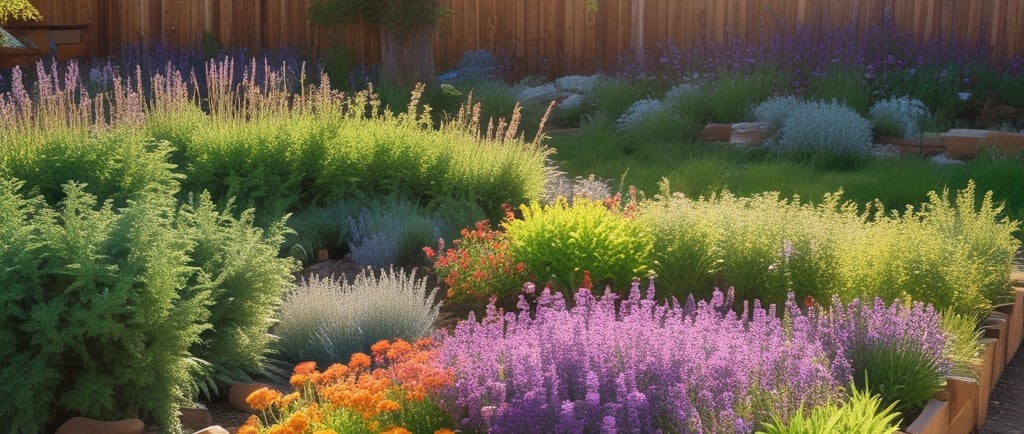
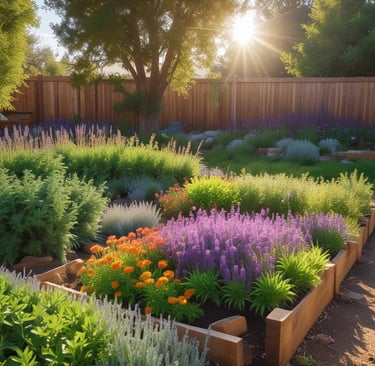
Sometimes, the best defense is a good offense. If you live in an area prone to dry spells, you might want to investigate drought-tolerant plants. These are the camels of the plant world; they look fantastic even when water is low.
Lavender: Loves the sun and hates wet feet.
Coneflower (Echinacea): Tough, beautiful, and pollinators love them.
Succulents (Sedum): They store water in their leaves and require almost zero attention.
Swiss Chard: Surprisingly more heat-tolerant than most other leafy greens.
4. Strategic Maintenance
When plants are stressed by heat, they need a little extra babying. Implementing low-water garden strategies involves more than just watering; it involves reducing competition and stress.
Weed Aggressively: Weeds are thirsty thieves. They steal water and nutrients from your veggies. Pull them out so your plants don't have to compete.
Don't Fertilize: This sounds counterintuitive, but fertilizing encourages rapid new growth. New growth requires a lot of water. During a drought, you want your plants to maintain, not sprint.
Create Shade: If a heatwave is forecasted, don't be afraid to use a shade cloth or even an old sheet to protect your most sensitive plants during the hottest part of the day.
Final Thoughts
Gardening during a dry spell is a challenge, but it is also a great teacher. It teaches us to be observant and efficient. By building healthy soil and training your plants to root deeply, you are building a resilient ecosystem that can handle whatever the weather throws at it.
So, put down the sprinkler, grab a bucket of mulch, and let's get those plants ready for the heat.